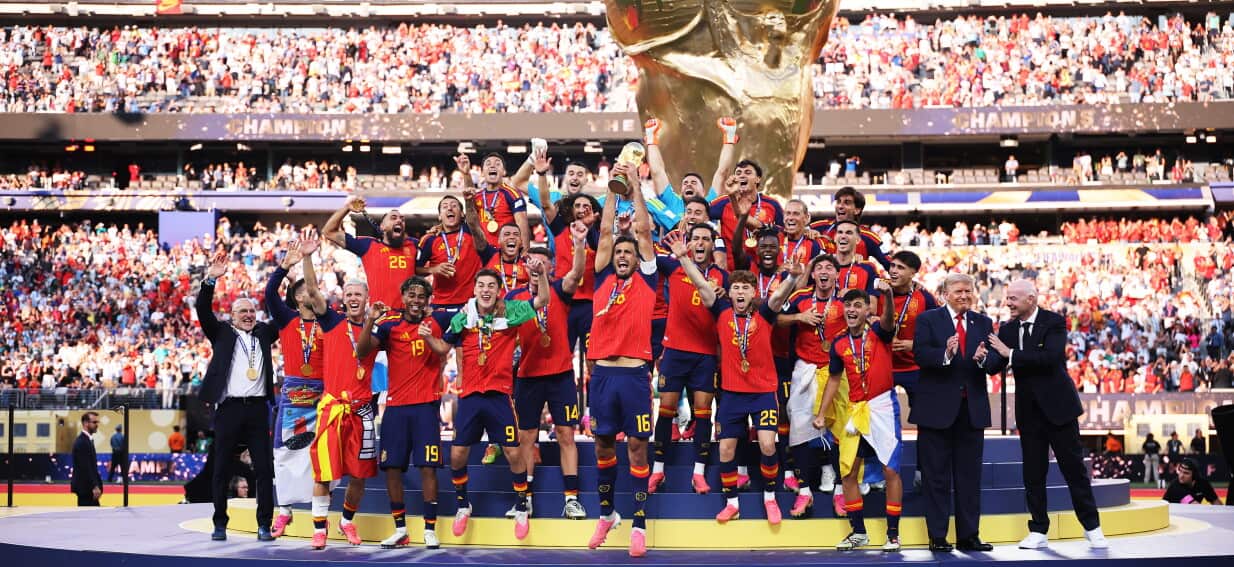
The dust has barely settled on a World Cup that will be remembered not just for its breathtaking goals and underdog stories, but for fundamentally reshaping the ambitions and public perception of FIFA's flagship event. From record-breaking attendances to staggering financial windfalls, the tournament was a testament to football's enduring global appeal, even as it grappled with a litany of off-field controversies.
SBS News Top Stories reported that this most recent rendition of the World Cup was ‘bigger, richer and messier’ than any before it. Indeed, the statistics paint a compelling picture. Stadiums across the host nation, buoyed by fervent local support and an influx of international visitors, saw attendance figures shatter previous benchmarks. This surge in spectator engagement directly correlated with a massive uplift in revenue, with the tournament raking in billions of US dollars, a significant portion of which, when converted to Australian currency, equates to a truly prodigious sum that will undoubtedly reshape FIFA's financial landscape for years to come. This economic triumph, driven by television rights, sponsorship deals, and ticket sales, underscores the commercial leviathan that modern football has become.
The Cinderella Story: Cape Verde's Ascent
Amidst the financial grandeur, the on-field narrative was equally captivating. Few stories captured the imagination quite like the meteoric rise of Cape Verde. The island nation, a perennial underdog in international football, defied expectations, showcasing a brand of exhilarating football that captivated audiences worldwide. Their journey, often against seemingly insurmountable odds, was a powerful reminder of the sport's capacity for surprise and its ability to elevate smaller nations onto the global stage. Their performances earned them accolades and respect, becoming a beacon of hope for developing footballing nations and demonstrating that talent, tenacity, and tactical brilliance can indeed transcend traditional power structures.
Record Books Rewritten: Crowds and Coffers Swell
The sheer scale of the tournament was a defining characteristic. Crowds, in particular, were a narrative in themselves. Each match day seemed to bring a new record, with stadiums pulsating with energy and an atmosphere that was both electrifying and inclusive. This enthusiasm translated directly into the financial success reported by SBS News Top Stories, with revenues soaring into the multi-billions of US dollars. To put that into perspective for Australian readers, we're discussing figures well into the tens of billions of Australian dollars, money that will likely be reinvested into grassroots football, infrastructure, and future tournaments, further solidifying FIFA's financial might. This unprecedented financial haul underscores the World Cup’s unparalleled commercial attractiveness and its crucial role in funding global football development.
Shadow of Scrutiny: Controversy Lingers
However, the golden glow of records and riches was frequently overshadowed by the persistent cloud of controversy. The tournament, even before kick-off, was embroiled in debates ranging from human rights concerns in the host nation to allegations of corruption surrounding the bidding process. On the pitch too, refereeing decisions were scrutinised with unprecedented intensity, fuelled by social media and instant replays, leading to animated debates among fans and pundits alike. These controversies, an unwelcome but increasingly familiar fixture of major sporting events, served as a stark reminder that while the spectacle of the World Cup continues to grow, so too does the scrutiny under which its organisers and participants operate. The ‘messier’ aspect highlighted by SBS News Top Stories was, unfortunately, an inescapable reality, forcing uncomfortable conversations even as the football itself soared.