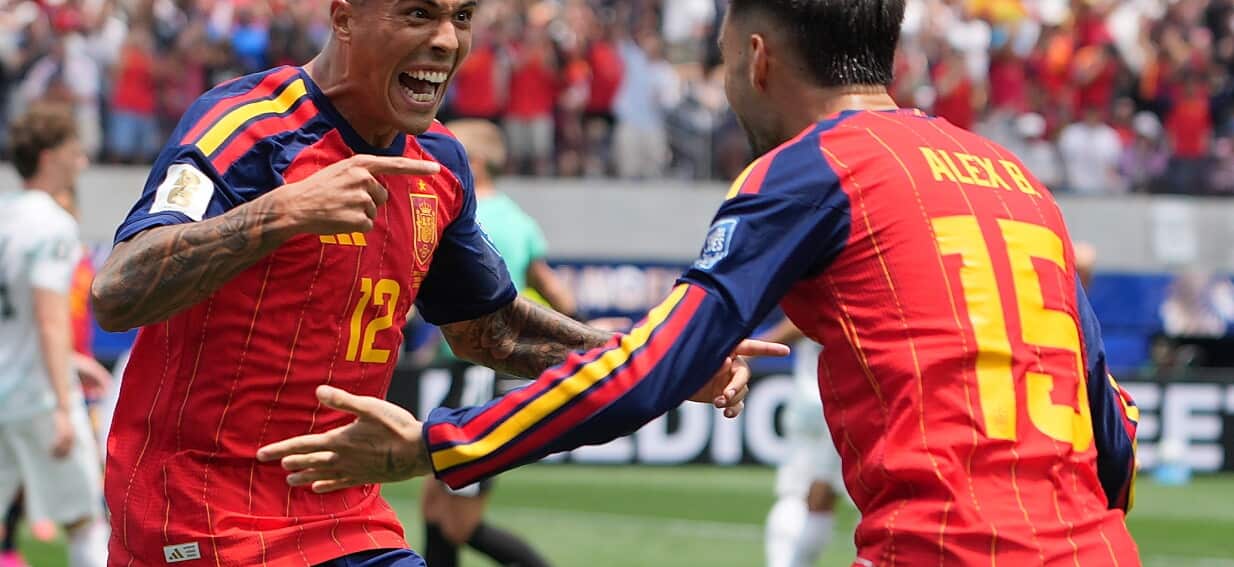
As the FIFA World Cup electrifies stadiums in Qatar, a curious phenomenon is unfolding: the loud chorus of geopolitical and human rights criticisms that preceded the tournament appears to have softened considerably, replaced by the roar of the crowd and the spectacle of the game. For many football enthusiasts, navigating the line between passionate fan and conscientious social critic has proven a difficult, almost impossible, tightrope walk once the whistle blows.
The Allure of the Beautiful Game Overrides
Months leading up to the tournament were rife with intense scrutiny over Qatar's human rights record, particularly concerning migrant worker conditions, as well as its stance on LGBTQI+ rights and the environmental impact of building lavish stadiums. Major media outlets, including the Sydney Daily News, dedicated significant coverage to these issues, prompting calls for boycotts and widespread debate about the ethics of hosting such a prestigious event in a nation with a contentious human rights record. However, as the first balls were kicked and the drama of group stages unfolded, The Conversation AU reported a noticeable "quietening" of these criticisms, suggesting that the sheer excitement of the sporting spectacle often overshadows, or at least temporarily postpones, deeper ethical considerations.
A Conundrum for Committed Critics
This phenomenon isn't new; it’s a recurring theme observed in major sporting events hosted in nations facing international condemnation. The global appeal of football, especially the World Cup, acts as a powerful unifying force, capable of diverting attention from controversial backdrops. For fans, the dilemma is acute: how does one reconcile the joy of watching their national team compete on the world stage with the knowledge of the ethical compromises underpinning the event? The Conversation AU highlighted this internal struggle, describing it as a "difficult juggling act to be both a soccer fan and social critic," a challenge that becomes "even harder" once the tournament commences. The immediate, visceral thrill of a last-minute goal or a penalty shootout often eclipses the more abstract, albeit profound, concerns about human rights or environmental stewardship.
Beyond the Final Whistle: A Return to Scrutiny?
While the immediate focus has shifted to VAR decisions and goal celebrations, it is unlikely that these geopolitical criticisms will vanish entirely. History suggests that while the intensity of such debates wanes during the tournament, they often reignite once the trophy is hoisted and the global spotlight dims. The long-term impact on FIFA’s reputation, and indeed on Qatar’s international standing, will likely be subject to renewed scrutiny in the coming months and years. The substantial investment – estimated to be in the hundreds of billions of Australian dollars – by Qatar into hosting the event also raises questions about their long-term strategic objectives beyond the immediate sporting spectacle.
The Commercial Imperative vs. Ethical Considerations
The immense commercial machinery behind the World Cup further complicates the picture. Billions of dollars in sponsorship, advertising, and broadcasting rights mean that major stakeholders have a vested interest in the tournament's success, which often translates into a tacit downplaying of controversies. This commercial imperative often clashes with the ethical responsibilities that many believe should accompany such global platforms. For fans and media alike, the challenge remains to hold both the athletes and the host nations accountable, even as the magic of the game attempts to whisk away difficult realities. As the tournament progresses towards its thrilling conclusion, the underlying geopolitical questions, though momentarily subdued, remain a crucial part of the World Cup's complex narrative.