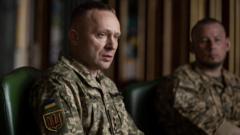
KYIV – Ukrainian President Volodymyr Zelenskyy has announced a significant shake-up in the nation’s military hierarchy, replacing the widely respected commander of the armed forces, General Oleksandr Syrskyi. The decision comes amidst escalating tensions within the defence establishment and widespread public concern over the strategic direction of the war against Russia.
Al Jazeera reported that Syrskyi’s dismissal follows a period of friction with former Defence Minister Dmytro Fedorov, whose own ousting last week triggered protests across the capital. While the full extent of the disagreements remains officially undisclosed, sources close to the Kyiv administration suggest a deepening divide over military strategy and personnel management at a critical juncture in the conflict.
Internal Strife Amid External Threat
The internal politicking within Ukraine's defence apparatus is particularly ill-timed, as the nation faces renewed Russian aggression on multiple fronts. General Syrskyi, who rose to prominence for his pivotal role in the defence of Kyiv and subsequent counter-offensives, had been a figure of national pride. However, reports of his strained relationship with Fedorov, particularly concerning resource allocation and battlefield tactics, have simmered for several months. Defence analysts in Canberra suggest that such internal discord could prove detrimental to morale and operational effectiveness, providing a potential opening for Russian forces.
Fedorov’s removal from the defence ministry portfolio last week, a move announced by Zelenskyy’s office without detailed explanation, immediately sparked public demonstrations. Civilians, many holding placards decrying political interference in military affairs, gathered in central Kyiv, demanding transparency and expressing fears that the government was sidelining experienced military leadership. The swift appointment of a new defence minister, whose name has not yet been publicly released by Al Jazeera, has done little to quell the unease, instead fuelling speculation about a broader power struggle within Zelenskyy’s administration.
A Critical Juncture for Kyiv
The leadership change occurs as Ukraine gears up for what many anticipate will be another brutal winter of fighting, with both sides consolidating positions and preparing for potential new offensives. Financial aid from Western allies, including Australia, remains crucial, with discussions frequently revolving around the effective and transparent use of billions of dollars in military assistance. The Australian government, which has provided over AUD $1 billion in assistance to Ukraine since the invasion, has consistently stressed the importance of stable and unified leadership within Kyiv’s defence structures.
The replacement of General Syrskyi could signal a strategic re-evaluation by President Zelenskyy. While the specific reasons for his departure remain under wraps, the President’s office is expected to issue a statement outlining the objectives behind the leadership reshuffle. Observers are keenly awaiting the announcement of Syrskyi’s successor, as their appointment will likely indicate the new direction Ukraine intends to take in prosecuting the war.
Public Calls for Unity and Transparency
The Ukrainian public, while largely united in its resolve against Russia, has grown increasingly vocal about governance and accountability. The protests following Fedorov’s dismissal underscore a desire for clearer communication from the presidential administration regarding critical military decisions. Many Australians following the conflict empathise with the Ukrainian public’s demand for transparency, understanding that open governance fosters trust during times of crisis. The coming days will be crucial in determining whether this change at the top can restore confidence and provide a renewed sense of direction for a nation under siege.