A palpable tension, thicker than a Sydney summer’s humidity, is settling over Australia's Egyptian community. As the FIFA World Cup approaches, a sporting fixture with the potential to ignite a profound identity crisis looms large: an anticipated clash between the Socceroos and Egypt, spearheaded by global football icon Mohamed Salah.
For many of Australia's 40,000-strong Egyptian-born residents, and their descendants, this isn't merely a game; it's a deeply personal conundrum that has barbershop chatter and family dinner tables humming with conflicted loyalties. The very notion of cheering against 'Mo' Salah, a figure who transcends sport to embody national pride and a pathway to international recognition, strikes at the core of their heritage, yet their lives and futures are inextricably woven into the fabric of their adopted Australian home.
The Salah Supremacy
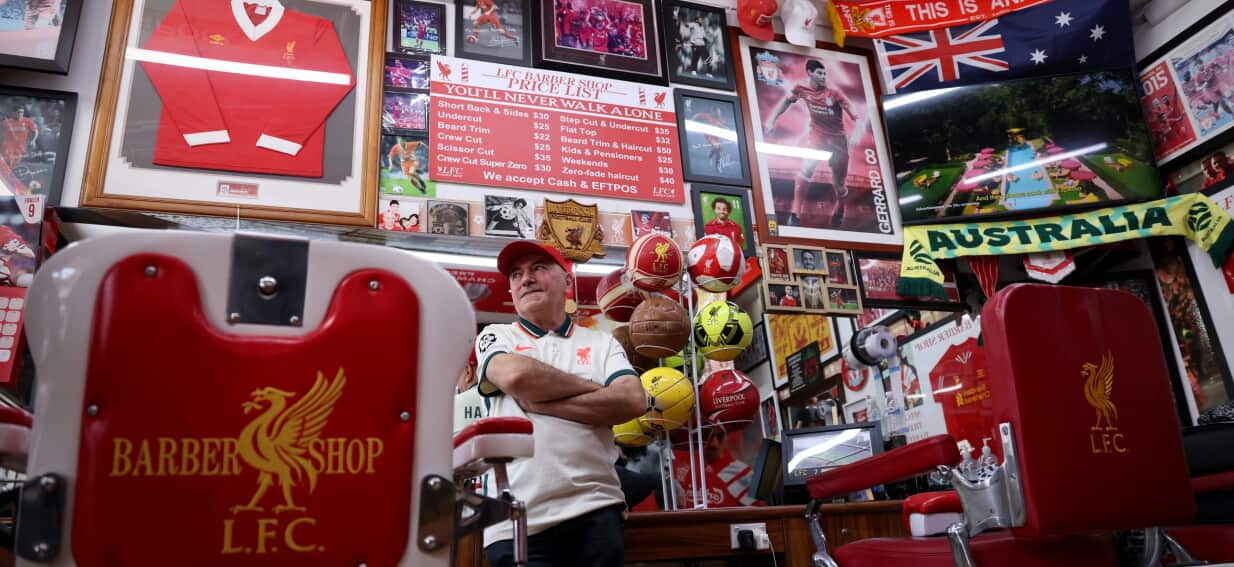
Salah, the prolific Liverpool forward, is more than just a footballer to Egyptians. He's a symbol of hope, a beacon of excellence on the global stage, and a source of immense collective pride. SBS News Top Stories reported that in community hubs like Kleames Dawood's barbershop, the question isn't if you'll cheer for Salah, but how you reconcile that with allegiance to the green and gold. His image adorns countless cafes, shops, and homes, a testament to his almost messianic status within the Egyptian diaspora. The idea of applauding a Socceroos goal scored against a Salah-led Egypt is, for many, an emotional bridge too far, akin to betrayal.
A Tale of Two Passions
Australia's Egyptian community is deeply integrated, contributing vibrantly to the nation's multicultural tapestry across professions, arts, and indeed, sport. Many have lived here for decades, raised families, and built businesses. Their children, born and bred Australian, often view the Socceroos as their primary national team, singing Advance Australia Fair with gusto. This creates a fascinating generational and cultural divide within families. Parents grappling with their roots versus their present cheer on one side, while their offspring, perhaps less burdened by historical ties, lean unapologetically towards the Socceroos.
The Barbershop Ballot
In the bustling heart of Sydney's Egyptian enclaves, conversations are often dominated by this impending footballing face-off. The atmosphere inside traditional gathering spots – from coffee houses to bustling souqs – oscillates between boisterous debate and wistful contemplation. While no formal poll has been taken, anecdotal evidence suggests a significant portion of the older generation leans towards Egypt, if only out of reverence for Salah. The younger demographic, however, often finds itself torn, proud of their heritage but equally committed to their home nation. The economic contribution of these communities is significant, with small businesses often displaying both Australian and Egyptian flags, symbolising this dual identity.
A Festival of Footballing Identity
Should the fixture eventuate, the scene promises to be uniquely Australian: a vibrant, cacophonous blend of competing passions. Restaurants and homes will undoubtedly be decked out in both national colours – a sea of red, white, and black alongside green and gold. The air will be thick with the aroma of Egyptian delicacies and Australian barbecue. For all the internal conflict, it will ultimately be a celebration of both identities, reflecting the rich, intricate layers of modern Australia. Win or lose, the day will underscore a community's enduring connection to its powerful heritage, even as it firmly plants its roots in Australian soil. The real winner will be the spirit of multiculturalism that allows such dilemmas to be debated, explored, and ultimately, celebrated, amplifying rather than diminishing the Australian story.