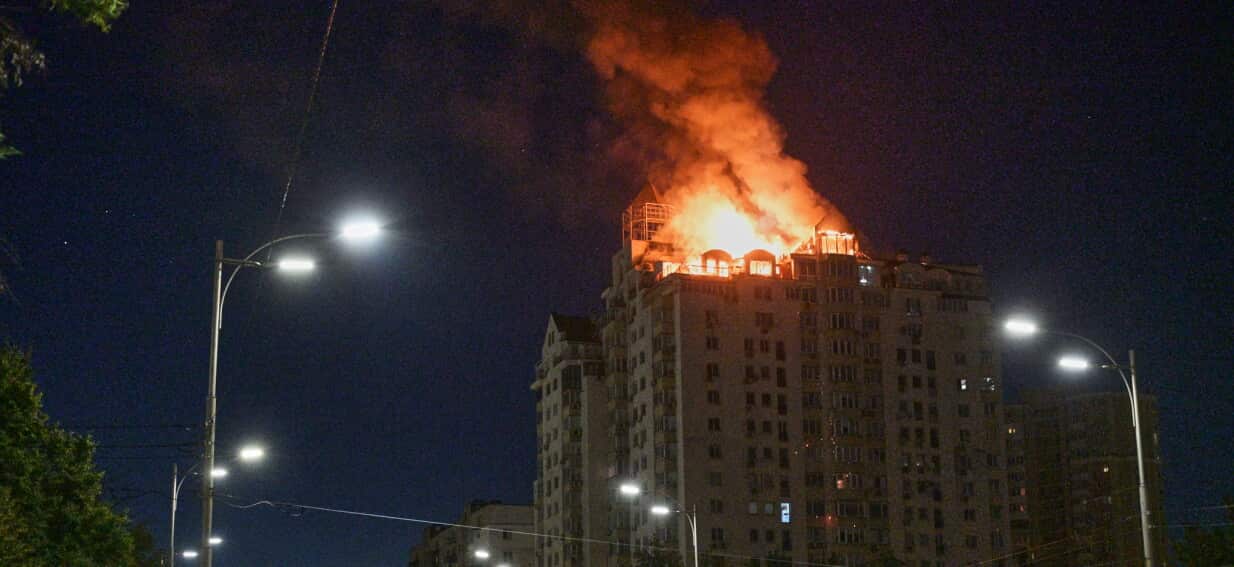
Kyiv has been rocked by what Ukrainian authorities describe as the "most massive" Russian assault on the capital since the full-scale invasion began, resulting in at least 13 fatalities and widespread devastation across multiple cities.
The calculated onslaught, which commenced in the early hours of Friday morning local time, saw a barrage of missiles and drones rain down on residential buildings, infrastructure, and civilian areas. Ukrainian President Volodymyr Zelenskyy, in a sombre address, stated that Russia "has been preparing this massive strike against Ukraine for some time now," according to SBS News Top Stories, underscoring the premeditated nature of the attack.
Emergency services are working tirelessly amidst the rubble, with search and rescue operations ongoing in several locations. The toll of civilian casualties is expected to rise as responders continue to sift through damaged structures.
Unprecedented Scale of Attack
Friday's assault was characterised by its sheer scale and intensity. Air raid sirens blared across almost the entirety of Ukraine, alerting citizens to incoming threats. Kyiv's Mayor, Vitali Klitschko, detailed significant damage in the capital, reporting fires in multiple districts and extensive destruction to civilian infrastructure. The attacks targeted not only residential buildings but also critical infrastructure, leading to power outages and disruptions to essential services in parts of the country.
The Ukrainian Air Force reported intercepting a substantial number of incoming projectiles, yet many still managed to bypass defence systems, highlighting the overwhelming nature of the offensive. Analysts suggest the coordinated strikes were designed to overwhelm Ukraine's air defences and inflict maximum psychological and physical damage, rattling the resolve of a nation already grappling with nearly two years of conflict.
Australia Condemns Brutality
Australia has swiftly condemned the brutal attacks, reiterating its unwavering support for Ukraine's sovereignty and territorial integrity. While Prime Minister Anthony Albanese is yet to issue a statement, diplomatic sources indicate that the Department of Foreign Affairs and Trade (DFAT) is closely monitoring the situation. Previous Australian aid packages to Ukraine have amounted to hundreds of millions of dollars, including military assistance and humanitarian support, demonstrating a steadfast commitment to assisting the war-torn nation. The recent attacks are likely to reignite calls for further international assistance and sanctions against Moscow.
Australian expatriates and dual citizens living in Ukraine are advised to exercise extreme caution and follow the guidance of local authorities. The Department of Foreign Affairs and Trade (DFAT) continues to urge Australians to depart Ukraine if it is safe to do so, with their travel advice remaining at 'Do Not Travel'.
A Calculated Winter Offensive?
This latest wave of attacks raises concerns about a renewed and intensified Russian winter offensive. Military analysts indicate that Russia may be attempting to exhaust Ukraine's air defence stockpiles and demoralise the civilian population ahead of the colder months. The targeting of energy infrastructure, a tactic employed by Russia last winter, could leave millions without heating and electricity, exacerbating the humanitarian crisis. The sheer volume of munitions used in this latest attack points to Russia's sustained capability to launch significant strikes, despite international sanctions and a protracted conflict.
The global community is now watching closely for a unified response to what is being seen as a clear escalation of hostilities. The human cost of this conflict continues to mount, with every new assault deepening the tragedy for the people of Ukraine.