Australia’s public broadcasters have firmly rejected a proposal from the federal antisemitism envoy calling for an external ombudsman to oversee reporting on the Middle East, defending their editorial independence.
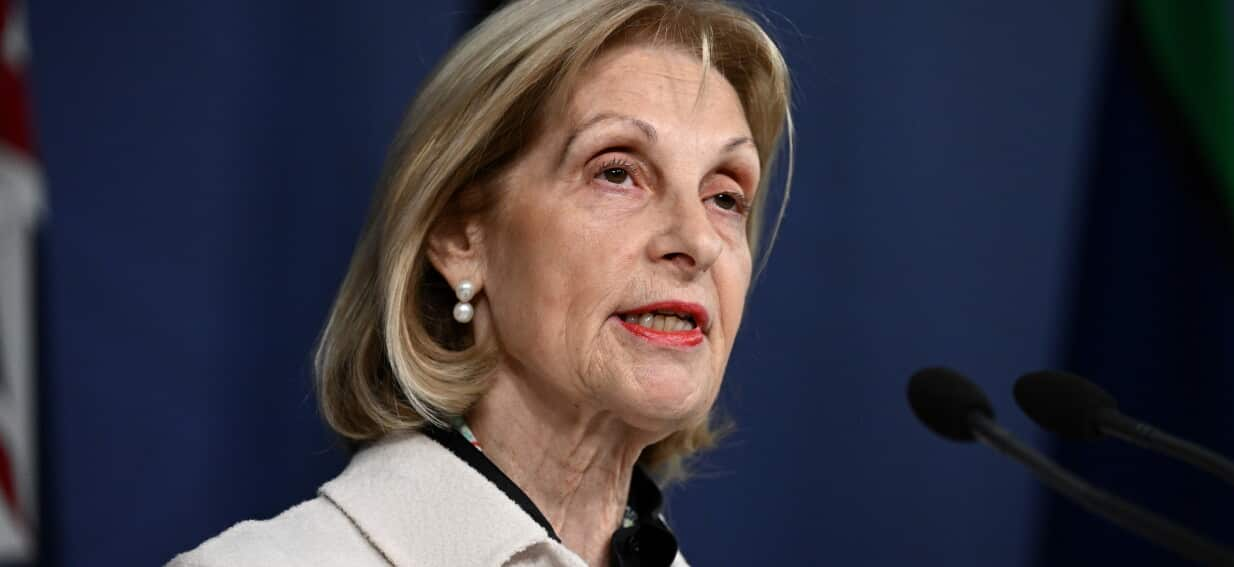
SBS News Top Stories reported that both the ABC and SBS pushed back against the recommendation by Jillian Segal, the Commonwealth’s Special Envoy to Combat Antisemitism, who has sought distinct outside scrutiny following sustained criticism of national newsrooms. Ms Segal has previously accused the national broadcasters of a persistent lack of impartiality in their coverage of the conflict, assertions that both institutions vigorously reject.
Defence of statutory editorial independence
In rebuffing the envoy’s intervention, the broadcasters maintained that their existing self-regulatory structures and independent complaints divisions remain fully equipped to handle sensitive, high-pressure geopolitical reporting. Under their governing charters—the Australian Broadcasting Corporation Act and the Special Broadcasting Service Act—both networks are legally bound to provide accurate, balanced, and impartial journalism free from political or sectoral influence.
Senior figures within the networks contend that creating a dedicated external arbiter for a specific international dispute would establish an untenable precedent. They argue that singling out Middle East coverage for non-statutory oversight would inevitably compromise editorial sovereignty, chilling newsroom reporting and opening operational journalism to outside political leverage.
Both public broadcasters have stressed that existing mechanisms offer sufficient recourse for aggrieved viewers and listeners. Content is subject to internal ombudsman investigations, with complainants retaining the right to escalate unresolved editorial disputes directly to the Australian Communications and Media Authority.
Tensions over Gaza reporting and impartiality
The impasse highlights the acute friction between civic advocacy groups and Australian newsrooms since the escalation of hostilities following the October 7 attacks in 2023. Ms Segal was appointed by the Albanese government to devise policy responses to surging antisemitism across the country, a brief that has repeatedly intersected with public scrutiny of news media.
Segments of the Australian Jewish community have expressed continuous frustration over language selection, panel balance, and the context provided when broadcasting casualties and military operations in Gaza. Concurrently, public broadcasters have faced reciprocal pressure from Palestinian advocates and media union members, who argue that news organisations have frequently minimised the scale of Palestinian suffering, demonstrating the polarising media environment confronting editors.
Existing frameworks face sustained scrutiny
Despite resisting the envoy's blueprint, the national broadcasters remain under relentless regulatory and parliamentary pressure. Senate estimates hearings over the past year have repeatedly devolved into granular interrogations of ABC and SBS executives regarding individual radio bulletins, digital headlines, and staff conduct on personal social media accounts.
The ABC revised its complaints framework in 2022 by instituting an expanded, independent Ombudsman office following an external review, explicitly separating complaints assessment from content-making divisions. SBS similarly maintains an established ombudsman procedure, reporting directly to its board on compliance with the network's commercial and editorial codes of practice.
Both broadcasters have reaffirmed that while audience feedback and complaint pathways are critical to institutional accountability, outsourcing editorial adjudication on contentious world affairs would undermine public confidence in Australia's democratic media institutions.