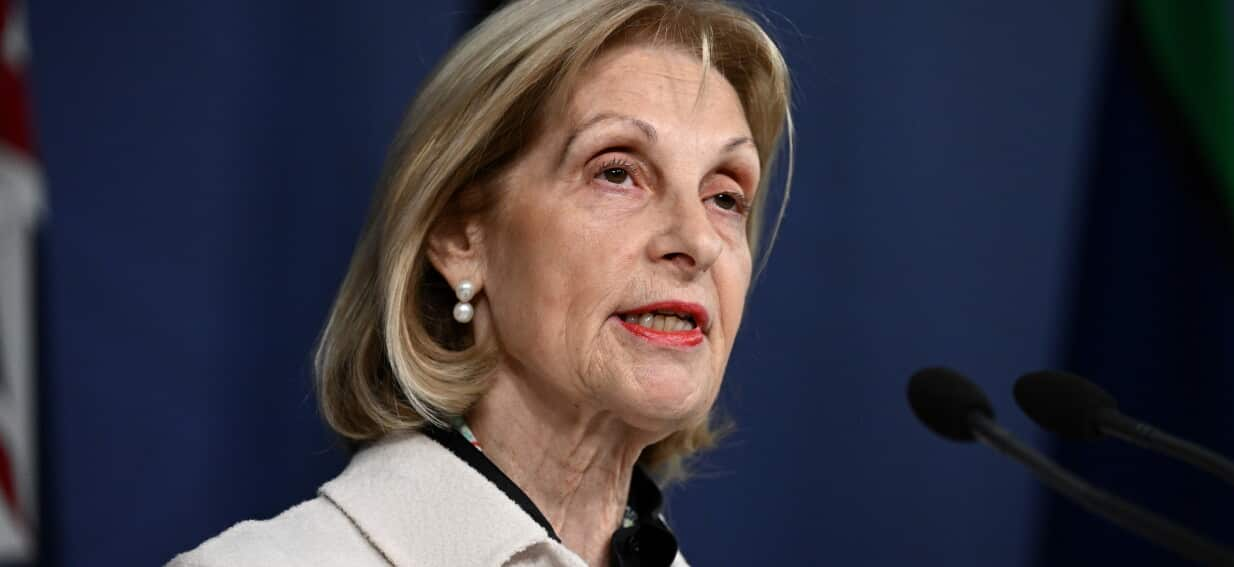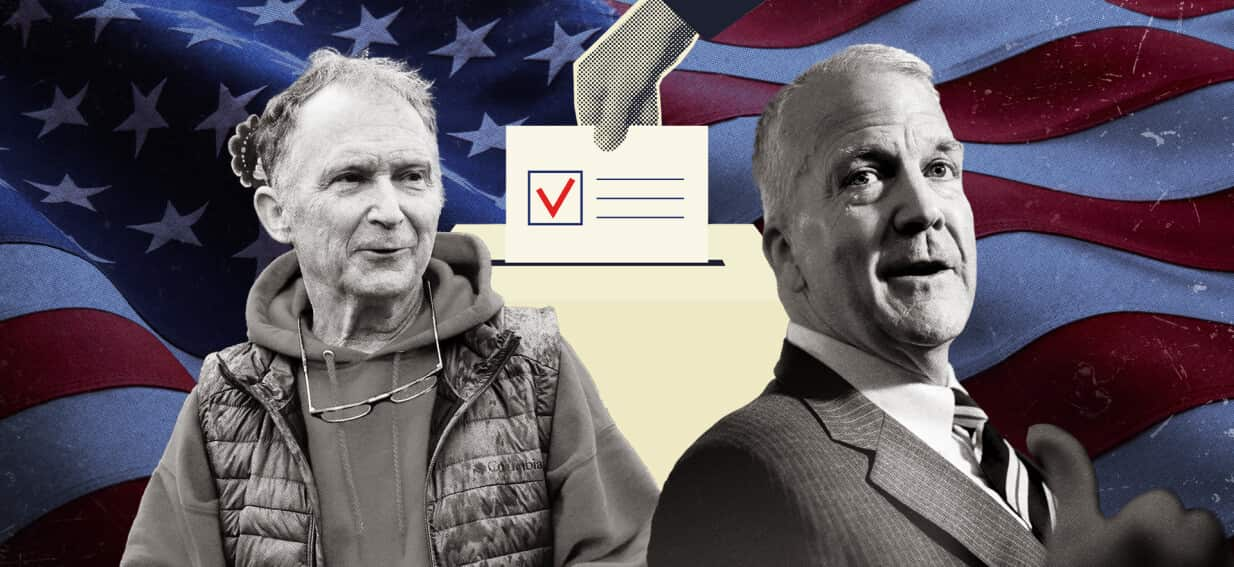
An extraordinary naming clash in a pivotal United States Senate contest has sparked bitter allegations of political trickery, threatening to derail a critical race that could decide the balance of Capitol Hill.
The controversy centres on the sudden appearance of two contenders sharing the identical moniker of Dan Sullivan on the ballot paper, presenting voters with an unprecedented conundrum in an already febrile midterm environment. SBS News Top Stories reported that the naming duplicate has gripped local campaign strategists and party officials, who fear the clerical anomaly could siphon enough votes to flip a fiercely contested seat.
Strategic Sabotage or Democratic Coincidence
In a legislative chamber where control frequently hinges on a solitary vote, the prospect of an identical name diverting even a fraction of the tally has prompted accusations of deliberate electoral gamesmanship. While election officials maintain that any qualifying citizen possesses the constitutional right to seek public office, strategists have raised suspicions that rival operatives recruited the second candidate purely to sow disorder among less attentive voters.
Similar tactics, known historically as "spoiler" or "phantom" candidacies, have surfaced intermittently across modern American electoral history. However, deploying an exact namesake in a race holding nationwide ramifications represents an audacious escalation. Political analysts note that such manoeuvres capitalise on ballot design vulnerabilities, where party affiliations are occasionally obscured or overlooked in early voting booths.
Thin Margins in a Polarised Electorate
The race unfolds against an intensely polarised backdrop, where hundreds of millions of dollars—amounting to well over $150 million Australian dollars—have flowed into campaign advertising across key battleground states. With voter turnout projected to break previous midterm records, neither major political party can afford the leakage of even a few hundred ballots.
SBS News Top Stories reported that the drama has forced the established candidate's campaign team into frantic remedial action. Campaign workers are being compelled to allocate precious resources towards educating the electorate on how to differentiate between the two names, utilising middle initials, occupational descriptions, and distinct ballot position guides to prevent catastrophe.
The Mechanics of Ballot Confusion
Electoral administrators face their own logistical headache as they finalise official printing deadlines and certify electronic voting machinery. Under statutory guidelines, election boards have limited scope to disqualify a registered candidate who satisfies basic residency and filing criteria, regardless of the cynical optics surrounding their nomination.
Legal challenges designed to alter ballot presentation or compel the removal of the duplicate entrant face formidable constitutional hurdles. Precedent in US courts heavily favours ballot access, leaving party tacticians with little recourse beyond aggressive voter re-education drives in the final weeks before polling day.
High Stakes for Washington’s Legislative Agenda
The outcome carries vast implications far beyond state borders. With the 100-seat Senate locked in an excruciatingly tight ideological split, the loss of a single seat would fundamentally recalibrate legislative power in Washington, determining judicial confirmations and executive oversight for the next two years.
As polling day nears, the dual-Sullivan dispute stands as a potent symbol of the razor-thin margins and brass-knuckle tactics defining modern American democracy, where victory can rest as much on ballot mechanics as political persuasion.