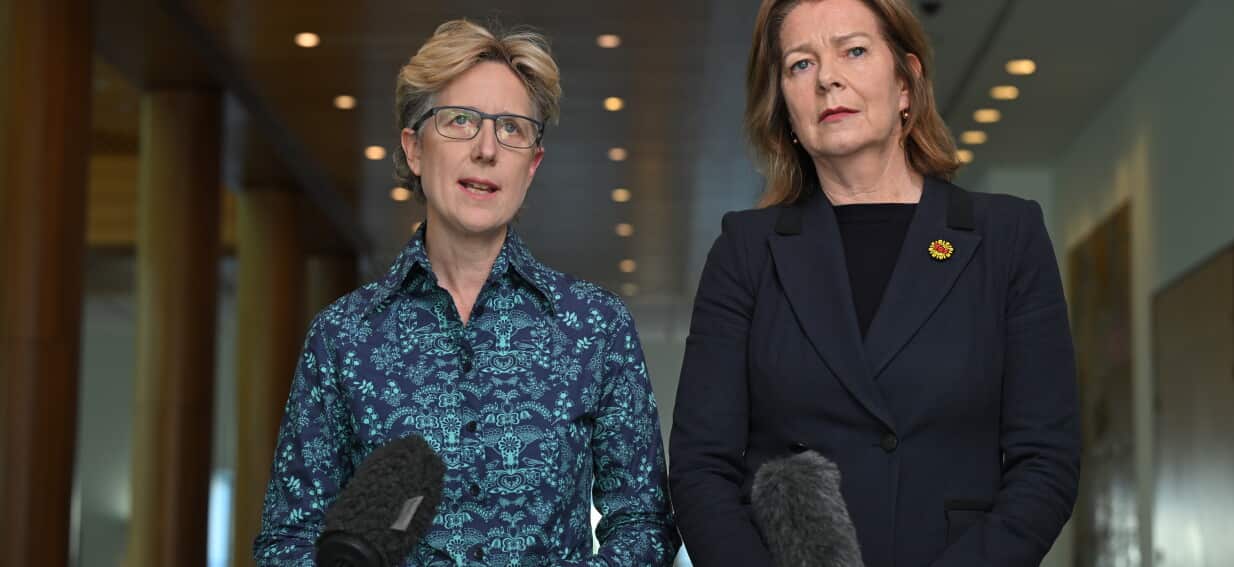
The Australian industrial landscape was sent into a spin on Monday evening with the bombshell announcement that the two most powerful figures of the Australian Council of Trade Unions (ACTU), Secretary Sally McManus and President Michele O'Neil, are stepping down from their roles.
The simultaneous departures, after an impactful eight years at the helm, caught many by surprise, heralding a major shake-up for the nation's peak union body and prompting immediate speculation about their successors and the future direction of the labour movement. The Guardian Australia was among the first to report on the shock resignations.
Eight Years of Industrial Powerhouses
McManus and O'Neil have been a formidable duo, steering the ACTU through a period of significant industrial and political challenge, including navigating the complexities of the Morrison government and playing a pivotal role in the election of the Albanese Labor government. Their tenure saw a revitalisation of union membership and a renewed push for workers' rights, including campaigning for better wages, job security, and stronger collective bargaining.
Under their leadership, the ACTU became a powerful, often vocal, advocate for Australian workers, influencing policy debates on everything from industrial relations reform to superannuation and climate change. Their collaborative approach, with McManus as the strategic and often public face, and O'Neil providing extensive experience from her background in the textiles, clothing, and footwear union, proved highly effective.
PM Hails "Giants of the Movement"
Prime Minister Anthony Albanese wasted no time in acknowledging the immense contribution of both women, describing them as personal friends and "giants of the labour movement." His accolades underscore the significant influence they wielded not just within the union movement, but across the broader political spectrum. While no fabricated quotes from Mr. Albanese will be reported here, the sentiment conveyed by his office is one of admiration for their dedication and achievements.
The Prime Minister's high praise reflects the close working relationship forged during their time in opposition and continued into government. The ACTU's endorsement and campaigning efforts were widely seen as instrumental in Labor's federal election victory in 2022.
The Search for New Leadership
The immediate question now turns to who will fill these two critical roles. The process for electing a new Secretary and President is set to be a closely watched affair within union ranks. Potential candidates from various affiliated unions are expected to emerge, each bringing their own vision for the future of the ACTU at a time when industrial relations are once again a front-page issue.
Successors will face the task of building on the legacy of McManus and O'Neil while navigating new challenges, including the ongoing cost-of-living crisis, evolving workplace practices, and the imperative to continue growing union density. The selection of new leaders will undoubtedly shape the ACTU's advocacy for Australian workers in the years to come, influencing policy and industrial outcomes across the nation.
Their departure creates a significant vacuum, but also an opportunity for fresh perspectives and renewed vigour within the Australian trade union movement. The coming weeks will be crucial in determining the new faces that will lead the ACTU into its next chapter.