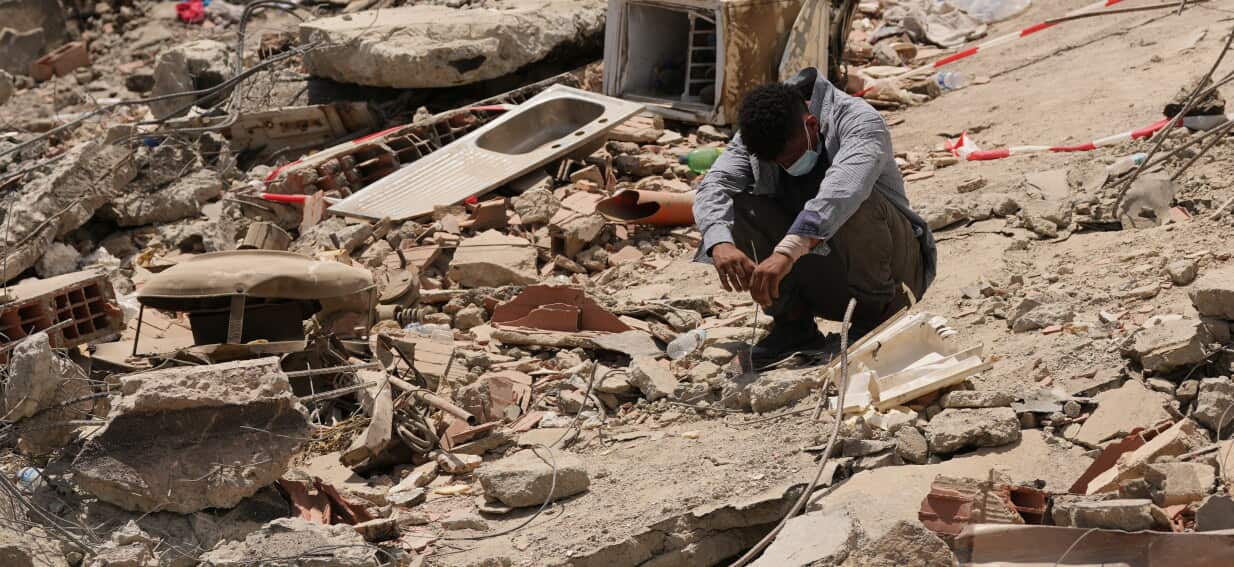
Families in Afghanistan are reeling from immense loss after recent cross-border attacks, which Afghan officials claim have resulted in the deaths of at least 36 civilians, including numerous women and children. The tragic toll underscores a significant escalation in hostilities between Afghanistan and Pakistan, with each nation offering starkly contrasting accounts of the deadly clashes.
Al Jazeera reported on the devastating impact within Afghanistan, where communities near the border are grappling with profound grief. The reported civilian casualties highlight the immense human cost of the simmering dispute, which has intensified in recent weeks. While Afghan authorities attribute these deaths to Pakistani military actions, Islamabad maintains its operations were targeted strikes against militants.
Bloodshed in Border Villages
The most recent wave of violence has predominantly affected remote villages along the porous and disputed Durand Line. Eyewitness accounts, gathered by local Afghan media and corroborated by international reports, paint a grim picture of homes destroyed and lives shattered. One resident, speaking anonymously due to fear of reprisal, described scenes of chaos and terror as projectiles rained down on their community, turning everyday life into a nightmare. The exact nature of the attacks — whether airstrikes, artillery fire, or ground incursions — remains a point of contention, with each side offering narratives that serve their national interests.
Pakistan, on the other hand, asserts its military operations were precise and aimed at dismantling militant hideouts it claims are harboured on Afghan soil. Islamabad maintains that it successfully neutralised 29 “terrorists” in pre-emptive strikes, a claim vehemently denied by the Taliban administration in Kabul. This disparity in reporting underscores the deep mistrust and propaganda accompanying the conflict, making it challenging for independent observers to verify the true extent of combatant versus civilian casualties.
A History of Distrust and Dispute
The complex history between Afghanistan and Pakistan is rife with suspicion and border disputes, primarily concerning the 2,670-kilometre Durand Line, established during the British colonial era. Afghanistan has never formally recognised the border, leading to persistent tensions over territorial integrity and ethnic Pashtun populations straddling both sides. The current escalation follows a period of increased militant activity within Pakistan, which Islamabad often attributes to groups operating from Afghanistan, an allegation Kabul consistently rejects.
In recent months, there has been a noticeable uptick in rhetoric and low-level skirmishes, culminating in the current tragic events. Analysts suggest that Pakistan’s domestic security challenges, particularly from groups like Tehrik-i-Taliban Pakistan (TTP), are significantly influencing its foreign policy and military actions along the Afghan border. The Taliban government in Afghanistan, while asserting its commitment to not allowing its territory to be used against neighbouring countries, faces its own internal and external pressures.
International Calls for De-escalation
The international community has largely called for restraint and de-escalation from both sides. United Nations officials and various human rights organisations have expressed deep concern over the reported civilian deaths and urged for an immediate independent investigation into the incidents. The economic implications of such instability are also significant, disrupting trade routes and exacerbating humanitarian crises in an already fragile region. Aid agencies operating in Afghanistan are particularly worried about the displacement of families and the worsening humanitarian situation as access to affected areas becomes increasingly difficult due to ongoing insecurity.
For Australia, a stable Afghanistan and a peaceful South Asia are important for regional security. While direct involvement is limited, the broader implications of instability – including potential radicalisation and refugee flows – are closely monitored. The conflict also raises questions about regional counter-terrorism efforts and the effectiveness of current strategies in addressing extremist groups operating across borders. Without a concerted effort towards dialogue and conflict resolution, the cycle of violence is likely to continue, exacting a heavy toll on innocent lives and perpetuating instability in an already volatile part of the world.