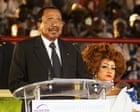
Yaounde, Cameroon — The prolonged absence of Cameroon's 93-year-old President, Paul Biya, has ignited widespread concern and rumour across the Central African nation, with citizens questioning the whereabouts and health of their long-serving leader.
Having departed for Switzerland on June 7 for what was officially dubbed a "brief private stay" with his wife Chantal, President Biya has not been seen or heard from publicly for a record 53 days. This unprecedented silence has sent ripples of anxiety through a country where discussing the President's health is, remarkably, illegal.
The Lingering Question Marks
Reuters World reported that the nearly two-month disappearance has intensified existing speculation about President Biya's capacity to govern. Despite numerous previous extended stays abroad, his current absence has broken all prior records, leaving a leadership vacuum that is increasingly palpable. With no official statements or appearances to quell the growing disquiet, the Cameroonian populace is left to ponder the true state of their head of state. Previous absences often saw carefully orchestrated photo opportunities or brief video messages, none of which have materialised during this recent, protracted hiatus.
Critics of Biya's regime have long pointed to his frequent overseas trips as evidence of disengagement from the nation's pressing issues. These perceived excursions, often to luxurious European destinations, come at a significant cost to the Cameroonian taxpayer, a fact that consistently draws ire from the populace. While precise figures are rarely disclosed, estimates often place such presidential jaunts in the millions of Australian dollars, a considerable sum for a developing nation.
A History of Discretion and Denial
The silence surrounding President Biya's health is not a new phenomenon. His administration has a long-standing practice of extreme secrecy regarding his well-being, fostering an environment where even hints of ill-health are met with swift official refutation or, in more extreme cases, legal action. This tight control over information has historically prevented open discussion, pushing conversations into the realm of rumour and unofficial channels. However, the sheer duration of his current absence is proving more challenging to manage, with the digital age making complete information suppression increasingly difficult.
The President's advanced age has been a recurring theme in global headlines, particularly as he holds the distinction of being the world's oldest serving head of state. This demographic reality, combined with his extended tenure – he has ruled Cameroon since 1982, making him one of Africa's longest-serving leaders – adds another layer of complexity to the succession discussion, which is largely taboo within official circles.
Cameroon's Future in the Balance
The lack of clarity around President Biya's status could have significant implications for Cameroon's political stability. Without a clear line of succession or transparent communication, a power vacuum could emerge, risking internal strife in a region already grappling with various geopolitical challenges. International observers are undoubtedly watching the unfolding situation closely, aware of the potential for instability in a country strategically important to Central Africa.
As the days turn into weeks with no sign of President Biya, the questions surrounding his health and his government's transparency will only intensify. The coming days will be critical in determining whether Cameroon can navigate this period of uncertainty without further upheaval, or if the prolonged absence of its leader will usher in a new, perhaps tumultuous, chapter for the nation.