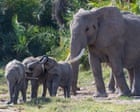
NAIROBI, Kenya — A grim discovery of 15 deceased elephants near a national park in southern Kenya has sent shockwaves through conservation circles, with initial investigations strongly suggesting pesticide poisoning as the leading cause. The Kenya Wildlife Service (KWS) has indicated that the majestic animals likely ingested toxic chemicals used on burgeoning tomato farms in the vicinity, sparking urgent warnings about agricultural encroachment on wildlife habitats.
The tragic toll, accumulating over the past month, points to a silent but deadly conflict between human development and the survival of one of Africa's most iconic species. Erustus Kanga, the Director General of the KWS, revealed to local broadcaster Citizen TV that analyses of samples collected from the elephant carcasses had detected traces of cyanide. This potent chemical compound, while crucial in agriculture as a predator control poison and pest fumigant, is also notoriously exploited by poachers for its lethal efficacy, adding a complex layer to the ongoing investigation. The KWS's findings, initially reported by Reuters World, underscore the insidious threat posed by widespread agricultural chemicals to vulnerable wildlife populations.
The Silent Killer: Cyanide's Deadly Path
Cyanide, known for its rapid and devastating effects, is a common component in various agricultural pesticides. Its presence in the elephant carcasses suggests a scenario where the animals may have inadvertently consumed contaminated vegetation or water sources. Elephants, requiring vast quantities of food and water daily, are particularly susceptible to widespread environmental toxins. The proximity of the deaths to agricultural lands cultivating tomatoes raises serious concerns that runoff or improperly disposed-of chemicals are seeping into areas frequented by wildlife. This incident is a stark reminder of similar challenges faced in other parts of Africa, where agricultural expansion often leads to increased human-wildlife conflict, with tragic consequences for both.
Farmland Frontier: A Growing Threat to Wildlife
The expansion of agricultural land, particularly for lucrative crops like tomatoes, is an increasing pressure point for Kenya's wildlife. As human populations grow and demand for food intensifies, farms push further into traditional wildlife corridors and habitats. This encroachment not only reduces the available roaming grounds for elephants and other species but also brings them into direct contact with human activities and their ecological byproducts. The KWS is now facing the daunting task of not only investigating the current deaths but also formulating strategies to mitigate future incidents, which will likely involve stricter regulation of pesticide use and enhanced community engagement with local farmers. The long-term sustainability of protected areas hinges on finding a harmonious balance between agricultural needs and conservation imperatives.
Australia's Stake in African Conservation
While geographically distant, Australia maintains a keen interest in African wildlife conservation, with many Australian tourists visiting Kenya's national parks annually, injecting millions of dollars into the local economy. Australian conservation organisations also often contribute expertise and funding to anti-poaching and habitat preservation efforts across the continent. The tragic loss of these 15 elephants serves as a poignant reminder of the global interconnectedness of conservation challenges. The international community, including Australia, often provides significant aid and support to African nations for biodiversity protection. This incident will undoubtedly galvanise calls for greater international collaboration to address the complex threats facing Africa's endangered species, encompassing not just poaching but also the less overt, yet equally devastating, dangers posed by habitat degradation and environmental contamination. The economic impact on Kenya's tourism sector, a cornerstone of its economy, could also be significant if such incidents persist, potentially affecting hundreds of thousands of jobs and millions of Australian dollars worth of tourism revenue.