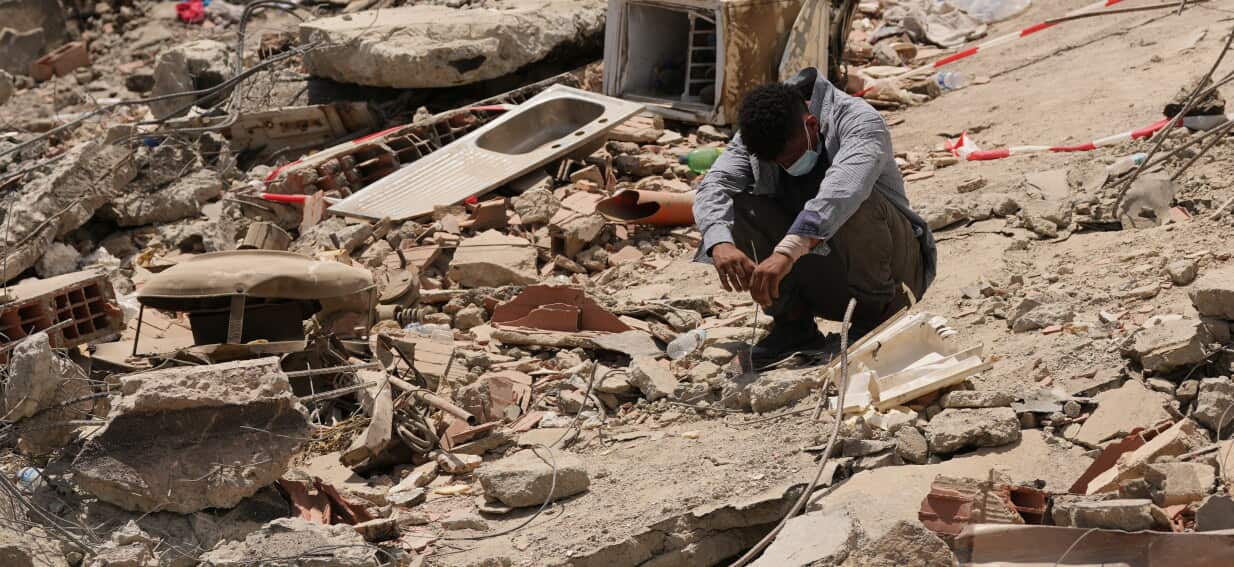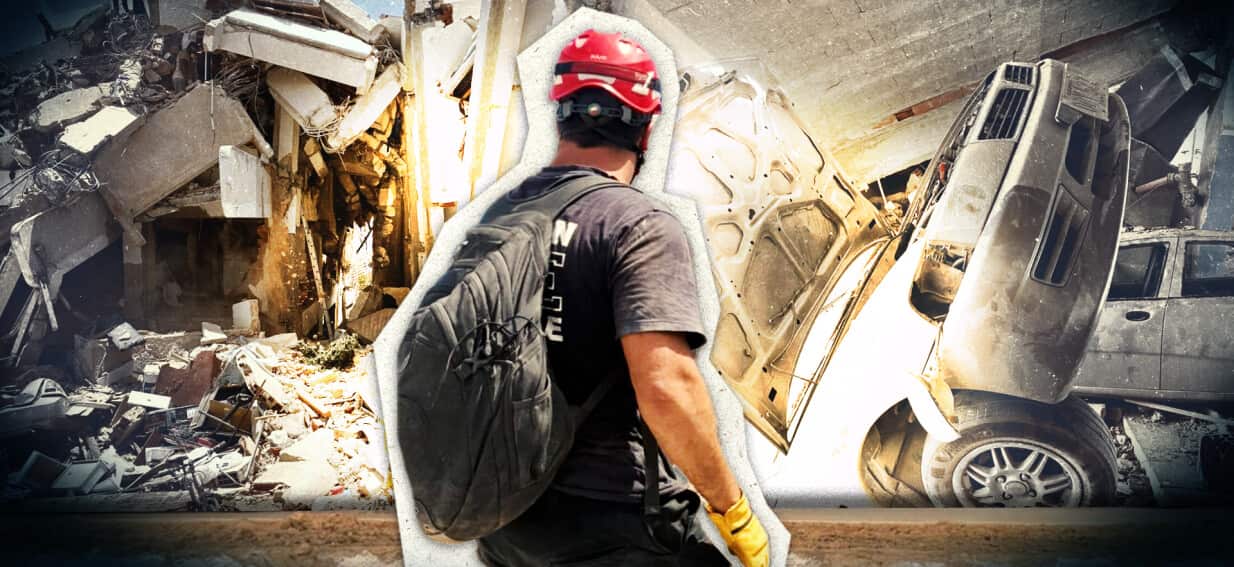
Amidst the chaos and despair wrought by a catastrophic magnitude 7.3 earthquake that ripped through Venezuela, an Australian hero emerged from the most unlikely of circumstances. Craig De Meillon, a seasoned firefighter from Queensland, packed his bags and, armed with little more than an unwavering resolve and a basic search-and-rescue kit, boarded a plane to a country he’d never visited, where he spoke none of the local language.
His self-funded mission, undertaken without official deployment or local contacts, reads like a script from a Hollywood drama. De Meillon, a specialist in urban search and rescue (USAR), felt a profound moral obligation to assist, telling SBS World, “When you see something like this happen, you just have to help. Time is of the essence in these situations.” His incredible journey underscores a powerful human impulse to aid those in dire need, transcending borders and bureaucracy.
A Leap of Faith into the Unknown
De Meillon’s decision to travel to Venezuela was made swiftly after news of the quake broke. He wasn't part of an official Australian government deployment; instead, he funded the trip himself, which SBS World reported cost him thousands of Australian dollars. This personal investment highlights the depth of his commitment. Upon arrival, he faced immediate challenges. Without Spanish language skills, navigating a country in crisis proved arduous. He relied on hand gestures, translation apps, and the kindness of strangers to communicate his intentions and find his way to the hardest-hit areas.
His initial days involved a desperate search for information and access. He managed to link up with a small, independent rescue group, offering his expertise in structural assessment and victim location. “My role was essentially doing what I do back home,” De Meillon explained to SBS World, referring to the meticulous process of shoring up damaged buildings, using specialised listening devices, and working with rescue dogs – though in Venezuela, he primarily relied on his own skills and the rudimentary tools he carried.
Battling Bureaucracy and Debris
The logistical hurdles De Meillon encountered were immense. Official channels for international aid can be slow, a process he bypassed out of a sense of urgency. Operating outside formal frameworks meant he often had to improvise. From finding transport to securing basic necessities, every step was a challenge. Despite these difficulties, his presence, though unofficial, was welcomed by the local teams overwhelmed by the scale of destruction. His advanced training and professional approach brought a measure of hope and expertise to a desperate situation.
His work involved sifting through mounds of rubble, often in precarious conditions, searching for any sign of life. The psychological toll of such work is immense, a reality De Meillon is all too familiar with from his decades of service. Yet, his focus remained singular: to provide assistance, however small, to those who had lost everything. The Australian broadsheet market values such stories of individual initiative and compassion, reinforcing a national characteristic of banding together in times of crisis, even when it’s on the other side of the world.
The Lingering Impact of a Solo Mission
While specific details of De Meillon’s rescue efforts — such as the number of people he directly helped find — are not extensively documented in the public domain due to the chaotic nature of the disaster and his independent status, his mere presence offered a significant morale boost. Locals expressed gratitude for the solidarity shown by an individual travelling such a great distance to help. His story, as reported by SBS World, resonated deeply, showcasing the power of individual agency in the face of mass tragedy.
De Meillon’s return to Australia wasn’t met with ticker-tape parades, but rather a quiet reintegration into his daily life as a firefighter. Yet, the experience undoubtedly left an indelible mark. His solo mission serves as a potent reminder that while governmental aid is crucial, the spontaneous, selfless actions of individuals can also play a vital role in humanitarian crises. It speaks to a deeply ingrained Australian spirit of lending a hand, even when the hand outstretched is across oceans, to strangers in their darkest hour.