An Australian helicopter provider, McDermott Aviation, has expressed profound sorrow following a tragic accident in Greece where one of its leased aircraft crashed during a critical firefighting mission. The incident, which occurred as wildfires continue to ravage southern Europe, resulted in the death of the pilot.
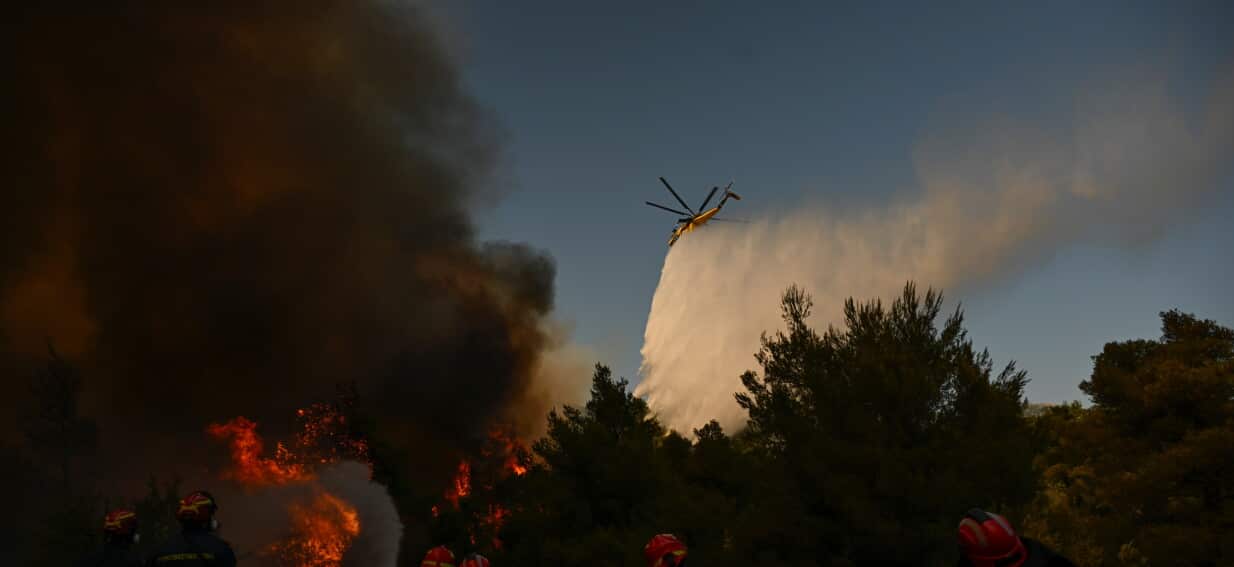
The helicopter, an Erickson S-64 Air Crane, was engaged in efforts to combat a large-scale blaze on the Greek island of Samos when it went down. While details surrounding the crash are still emerging, the loss has sent shockwaves through the aviation and emergency response communities, particularly in Australia where McDermott Aviation is a prominent operator.
Australian Expertise on the Frontlines
McDermott Aviation, a Queensland-based company, has a long-standing reputation for its expertise in aerial firefighting, both domestically and internationally. For years, the company has deployed its specialised fleet and highly trained personnel to assist nations grappling with devastating bushfires and forest fires. Their involvement in the Greek crisis underscores Australia's significant contribution to global emergency response efforts, often in the face of escalating climate-related disasters. The company's aircraft and crews are frequently contracted by overseas governments, including in Europe and North America, to bolster local firefighting capabilities during peak fire seasons.
Southern Europe Engulfed in Flames
Greece, along with several other southern European nations including Spain, Italy, and Portugal, has been battling an intense and widespread wildfire season. Record-breaking heatwaves and prolonged drought conditions have created an tinderbox environment, leading to the rapid ignition and spread of numerous blazes. Thousands of residents and tourists have been evacuated from affected areas, and vast swathes of forest and agricultural land have been incinerated. The sheer scale and ferocity of these fires have placed immense strain on local emergency services, necessitating international assistance, such as that provided by McDermott Aviation. SBS News Top Stories has extensively reported on the escalating crisis, highlighting the devastating impact on communities and ecosystems.
A Perilous Profession
The incident serves as a stark reminder of the inherent dangers faced by aerial firefighters. Piloting heavy-lift helicopters in challenging terrain, often through dense smoke and unpredictable wind conditions, demands exceptional skill, courage, and precision. These crews operate on the frontlines of natural disasters, risking their lives to protect communities and save property. The S-64 Air Crane, specifically designed for aerial firefighting, is renowned for its water-dropping capabilities, but even advanced machinery cannot eliminate all risks associated with such hazardous operations. The Australian Transport Safety Bureau (ATSB) often investigates similar incidents within Australia, underscoring the complexities and dangers involved in low-level, high-stress aerial work.
Company's Sombre Response
In a statement released shortly after the tragedy, McDermott Aviation conveyed its deepest sympathies to the pilot's family, friends, and colleagues. The company acknowledged the immense difficulty and sorrow surrounding the loss and indicated it was cooperating fully with Greek authorities in their investigation into the crash. While specific details about the pilot's nationality were not immediately released, the company's message highlighted the tight-knit nature of the aerial firefighting community and the profound impact such an event has on those who dedicate their lives to this critical work. The broader Australian aviation community has also expressed its condolences, recognising the shared risks and dedication among those who operate in this challenging sector.