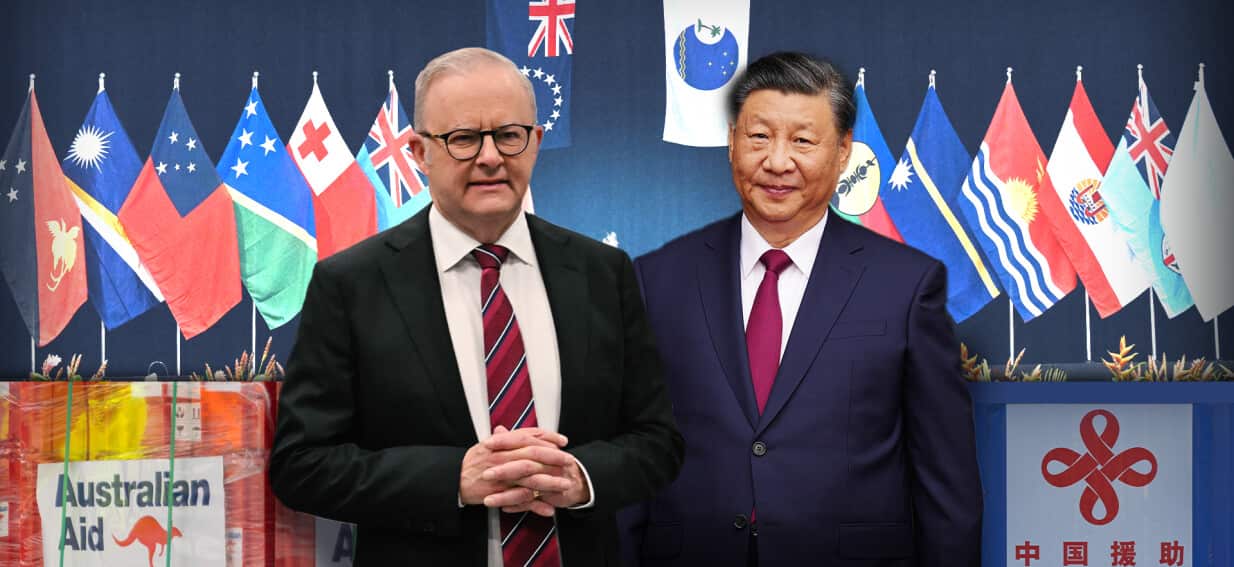
Australia is steadily fortifying its position in the Indo-Pacific, effectively curtailing China's previously strong foothold in the region, according to a recent analysis marking a pivotal shift in the geopolitical landscape.
SBS News Top Stories reported that Beijing’s ambitious $6 billion influence campaign, once a commanding presence, is now being recalibrated as Canberra's strategic engagement and investment initiatives gain traction. This development suggests a more balanced power dynamic emerging, with Australia leveraging its geographical proximity and diplomatic efforts to reassert its regional leadership.
Shifting Tides in the Pacific Arena
The report indicates a notable recalibration of China's engagement strategy, moving away from large-scale, high-profile infrastructure projects that characterised its earlier approach. This shift is partly attributed to a growing awareness among Pacific island nations of the potential debt implications and sovereignty concerns associated with some Chinese-backed ventures. While Beijing continues to be a significant player, its influence is no longer expanding with the same unchecked momentum experienced in previous years.
Australia’s renewed focus on grassroots development, capacity building, and people-to-people links appears to be resonating more effectively with Pacific communities. This approach prioritises genuine partnerships over transactional relationships, aiming to build long-term resilience and shared prosperity. The Albanese government has consistently emphasised the importance of being the partner of choice for its Pacific neighbours, backing this rhetoric with substantial aid packages, defence cooperation, and climate change initiatives.
Canberra's Multi-pronged Engagement Strategy
Canberra's revitalised strategy encompasses a broad spectrum of initiatives. Economically, Australia has increased its development assistance, offering grants and concessional loans that are seen as more transparent and sustainable. Security-wise, enhanced defence cooperation with nations like Papua New Guinea and Solomon Islands, including joint training exercises and maritime surveillance support, reinforces regional stability and Australia's commitment to shared security interests.
Furthermore, cultural and educational exchanges are fostering deeper understanding and stronger ties. Programs offering scholarships and vocational training are empowering local communities and building human capital, demonstrating a commitment that extends beyond immediate infrastructure needs. This comprehensive approach is designed to counter narratives that portray Australia as merely a security-focused partner.
The $6 Billion Question: Beijing's Next Move
The report's findings pose a significant question for Beijing and its future engagement in the Pacific. While the scale of China’s $6 billion investment over recent years is undeniable, its effectiveness in securing enduring influence is now under scrutiny. The shift suggests that raw financial power alone is insufficient to guarantee long-term strategic advantage, particularly in a region as culturally diverse and politically complex as the Pacific.
China will likely adapt its strategy, potentially focusing on more targeted, less visible forms of influence or re-evaluating the types of projects it funds. However, the current momentum suggests Australia has successfully carved out a stronger position, creating a more competitive environment for external powers seeking to leave their mark on the region. The challenge for Australia will be to maintain this momentum, ensuring its commitment to the Pacific remains consistent and responsive to the evolving needs of its island neighbours.