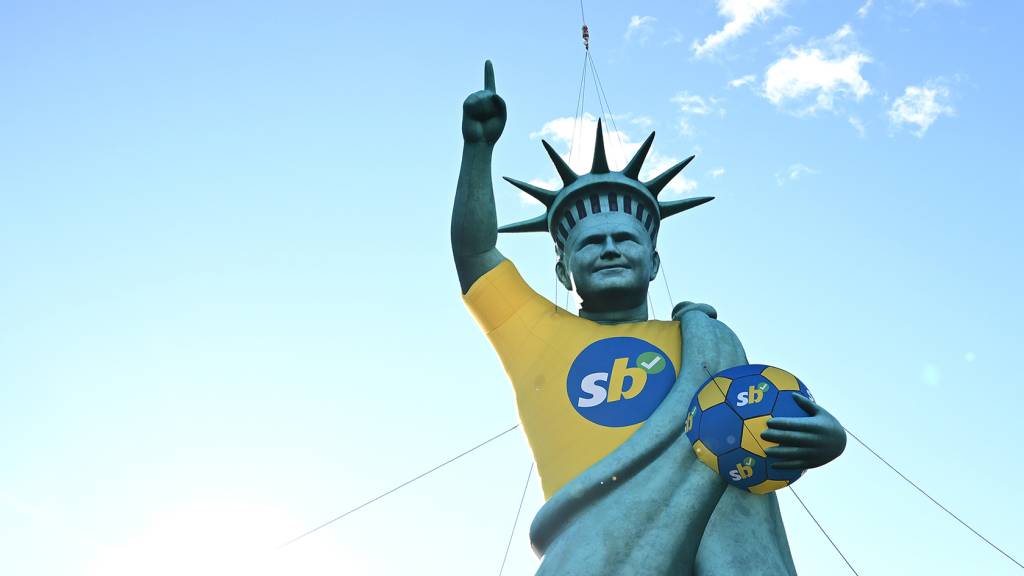
The spectacle of the World Cup recently laid bare a global phenomenon: professional sport has exploded into a globalised betting industry, transforming every match into a potential casino and every devoted fan into a prospective punter. Here in Australia, this trend, driven by massive broadcasting deals and ubiquitous advertising, is reshaping how we consume and engage with our national pastimes.
At the heart of this transformation is the sheer scale of the financial commitments. As Crikey recently reported, Australia is a prominent player in this high-stakes game. The multi-billion-dollar partnership between the National Rugby League (NRL), Nine Entertainment, and DAZN’s Foxtel serves as a stark local example of how deeply entrenched gambling revenues have become in the financial ecosystem of major sporting codes.
The Allure of the Wager: From Pub to Pocket
The shift from traditional brick-and-mortar betting shops to sophisticated online platforms has democratised gambling, making it accessible with a few taps on a smartphone. This ease of access, coupled with relentless advertising during live sports broadcasts, blurs the lines between spectating and speculating. No longer is betting a niche activity; it’s a constant, pervasive backdrop to the sporting experience. Experts suggest that the sheer volume of betting markets available, from predicting the first try-scorer to the exact margin of victory, draws in a wider demographic, normalising an activity that once carried a greater social stigma.
Billions at Play: The Economic Engine of Sport?
The financial muscle of the betting industry is undeniable, providing significant revenue streams that codes like the NRL have come to rely on. These funds flow into various aspects of the sport, from player salaries and infrastructure development to grassroots programs. However, this financial reliance creates a complex ethical tightrope. Critics argue that sports organisations, by accepting these vast sums, become complicit in promoting gambling, potentially compromising the integrity of the game and fostering addiction. The question arises: at what point does beneficial sponsorship transition into an unhealthy dependency?
The Globalisation of Gaming
Australia is not an isolated case; the phenomenon is global. European football leagues, American basketball, and now even e-sports are all part of this expansive betting landscape. International betting syndicates operate across borders, leveraging sophisticated algorithms and vast datasets. This global interconnectedness further complicates oversight and regulation, presenting challenges for local authorities attempting to mitigate potential harms. The World Cup, in particular, showcases the sheer global scale, with billions of dollars being wagered on matches played on distant shores, highlighting how Australian punters are now part of a truly worldwide betting market.
Navigating the Ethical Minefield
The pervasive integration of betting into sports raises profound ethical questions. Concerns about match-fixing, problem gambling, and the impact on younger audiences are paramount. While regulators implement measures to promote responsible gambling, the effectiveness of these efforts is continually debated in the face of aggressive marketing and the sheer volume of betting opportunities. As Australian sport continues to navigate this complex landscape, the challenge lies in balancing the financial benefits derived from the betting industry with the societal responsibility to protect vulnerable individuals and preserve the integrity of the games we cherish.