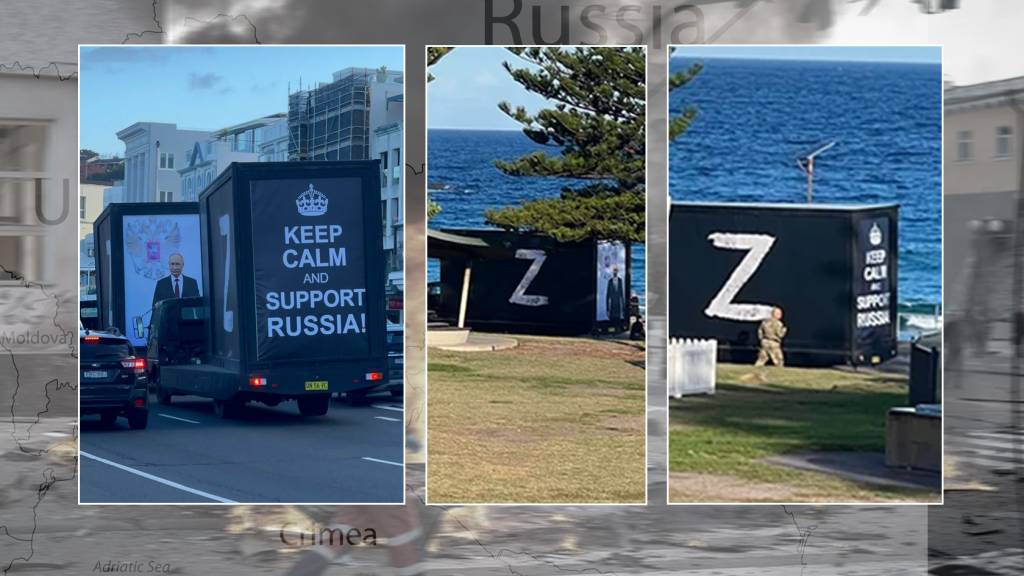
Sydney, NSW – The controversial 'Z' symbol, which has become a potent emblem of Russia's war in Ukraine, could soon be outlawed in New South Wales. The state government is reportedly considering a ban on its public display, responding to impassioned pleas from the Ukrainian community and broader condemnation of its association with military aggression.
The discussions, initially brought to light by independent news outlet Crikey, highlight a growing unease within Australian political circles about symbols that appear to condone or celebrate the ongoing conflict. Advocates argue that the 'Z' is more than just a letter; it represents a direct endorsement of a brutal invasion that has led to widespread death and displacement.
Calls for Condemnation Intensify
For many in the Ukrainian diaspora in Australia, the ‘Z’ symbol is not merely a political statement, but a deeply offensive emblem of suffering. "It's a symbol of a genocidal invading Russian army," one Ukrainian advocate reportedly told Crikey, encapsulating the raw emotion surrounding the debate. This sentiment resonates with the broader international condemnation of Russia's actions, which have been labelled war crimes by numerous human rights organisations.
The push for a ban in NSW mirrors similar considerations and actions in other jurisdictions globally, where governments are grappling with how to address symbols perceived as inciting hatred or glorifying conflict. The precedent for such prohibitions often lies in historical attempts to ban symbols associated with extremist ideologies, such as the swastika, which is illegal to display in several countries due to its connection to Nazism.
Legal Hurdles and Free Speech Concerns
While the moral impetus for a ban on the 'Z' symbol is clear for many, implementing such legislation is not without its complexities. Legal experts point to the delicate balance between restricting symbols that cause distress and upholding fundamental principles of free speech. Any proposed legislation would need to carefully define the scope of the ban and its enforcement, ensuring it withstands potential challenges on grounds of freedom of expression.
Considerations would include whether the ban applies only to public displays, extends to online content, and what constitutes a 'Z' symbol in the context of the war. For instance, a simple 'Z' on its own might be harder to regulate than a 'Z' emblazoned alongside other pro-Russian military imagery. The NSW government would undoubtedly consult with legal professionals and civil liberties groups to navigate these intricate issues, ensuring any legislation is robust and proportionate.
A Broader Symbolic Battleground
The debate over the 'Z' symbol in NSW is part of a larger symbolic battle playing out across the globe. From sports events to public demonstrations, the 'Z' has been used by supporters of the Russian invasion, often to provoke and to demonstrate solidarity with Moscow's actions. Its emergence as a pro-war emblem was swift, appearing on Russian military vehicles early in the conflict before being adopted by propagandists and citizens alike.
Should NSW proceed with a ban, it would send a strong message of solidarity with Ukraine and a clear condemnation of the ongoing aggression. Such a move also reflects Australia's broader foreign policy stance, which has consistently condemned Russia's invasion and implemented extensive sanctions against Moscow. The financial implications of the conflict have also been felt, with Australian aid to Ukraine amounting to hundreds of millions of Australian dollars, underscoring the nation's commitment to supporting the war-torn country. As the state government continues its deliberations, the outcome will be closely watched by both the Ukrainian community and those concerned with the evolving landscape of symbolic expression in times of international conflict.