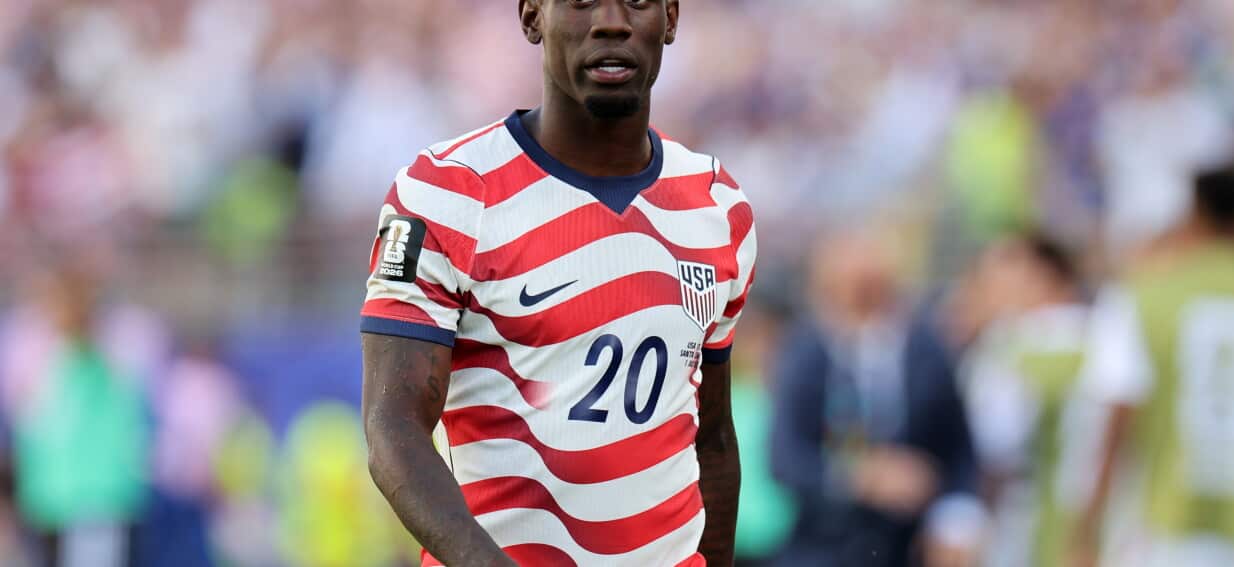
The football world is reeling after a controversial decision to suspend a one-match ban for Nigerian star Isaac Balogun, an outcome reportedly influenced by a direct phone call from former US President Donald Trump to FIFA head Gianni Infantino. The unprecedented move, which defies established FIFA regulations, has left competing nations “astonished” and ignited a firestorm of protest just weeks out from the global tournament.
Under long-standing FIFA rules, a red card automatically results in a one-match suspension, a penalty considered sacrosanct and immune to appeal. However, in a development that SBS News Top Stories reported has sent shockwaves through the football community, Balogun's ban has been dramatically set aside, raising serious questions about the integrity of the sport's governing body.
Diplomacy or Discretion? The Trump Card Revealed
The genesis of this extraordinary decision reportedly lies in a high-stakes phone conversation between Mr. Trump and Mr. Infantino. While the precise details of the exchange remain shrouded in secrecy, sources close to FIFA suggest a concerted lobbying effort aimed at securing Balogun's immediate eligibility. The former US President, known for his unconventional diplomatic style, is understood to have personally interceded on Balogun's behalf, prompting FIFA to revisit its ironclad disciplinary code.
This marks a significant departure from FIFA's customary independence, which has historically resisted overt political pressure. The perception that a major disciplinary ruling can be swayed by a powerful political figure has ignited concerns about potential precedent and the erosion of regulatory fairness. Critics argue that such an intervention undermines the very principles of sporting justice that FIFA is mandated to uphold.
Rivals Voice Fury as Integrity Questioned
The immediate backlash from nations set to compete against Nigeria has been swift and severe. Representatives from several teams, speaking on condition of anonymity due to the sensitivity of the issue, expressed profound dismay and, as one put it, were “astonished” by the decision. There is a palpable sense of injustice developing, with many fearing that the playing field has been unevenly tilted in Nigeria's favour. The financial implications for competing nations are also being weighed, with potentially millions of dollars in prize money, broadcasting rights, and sponsorship deals hinging on every match outcome.
Questions are now being asked about the transparency of FIFA's decision-making process and the extent to which unwritten rules can be circumvented for individuals with powerful connections. The controversy risks overshadowing the build-up to the World Cup, shifting the focus from athletic prowess to backroom dealings.
Unprecedented Appeal Process Raises Eyebrows
Balogun received his red card during a tense pre-tournament friendly match, a decision that appeared clear-cut at the time. The standard procedure would have seen him automatically sit out Nigeria's opening World Cup fixture. However, the subsequent reversal of this ban has propelled FIFA into uncharted territory. Legal experts are now scrutinising the mechanisms by which such an appeal, explicitly prohibited by the rules, could have been successfully lodged and upheld.
The lack of a formal, transparent appeal process for red card decisions has been a cornerstone of FIFA's disciplinary framework. This unexpected deviation therefore raises fundamental questions about the future application of these rules and whether they can now be considered truly immutable. Many observers are left wondering whether this is a one-off anomaly or a sign of a new, more malleable disciplinary landscape at FIFA. The cost of such an intervention, both in terms of reputation and potential future challenges, could be significant for the sport's global body.