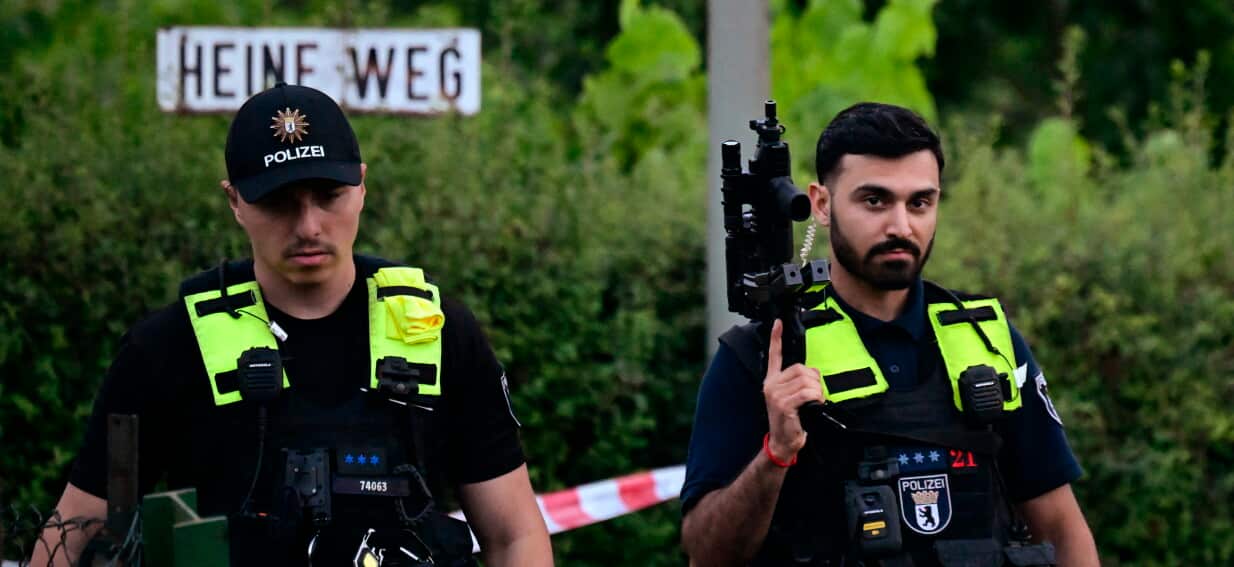
BERLIN – German police have fatally shot a man suspected of a violent incident during Berlin's vibrant annual Pride celebrations, an event that draws hundreds of thousands to the city. The suspect, whose identity has not been publicly released, was reportedly known to law enforcement for a "high number" of prior criminal offences and a history of radicalisation, according to reports from SBS News Top Stories.
The dramatic confrontation unfolded amidst festivities, sending shockwaves through the LGBTQI+ community and wider Berlin populace. While details of the alleged attack remain under investigation, the rapid police response and subsequent death of the suspect have ignited a critical debate over preventative measures for individuals flagged as potentially dangerous by intelligence agencies.
Unpacking a History of Concern
The revelation that the suspect was a familiar face to German authorities is particularly troubling. SBS News Top Stories indicated a pattern of behaviour that extended beyond petty crime, encompassing indicators of radicalisation – a term that often signifies a shift towards extremist ideologies that may endorse violence. This history prompts serious questions about the efficacy of existing monitoring programs and intervention strategies for individuals deemed a threat to public safety.
Experts suggest that managing repeat offenders, especially those with an ideological bent, presents a complex challenge for security forces globally. It involves a delicate balance between individual liberties and collective security, navigating privacy laws while attempting to preemptively neutralise potential threats. The incident highlights the high stakes involved when this balance is not optimally maintained.
Australia's Vigilance Against Extremism
While the events unfolded in Germany, the implications resonate internationally, including in Australia. Australian security agencies, like ASIO and the AFP, maintain rigorous watch over individuals identified as radicalised or prone to extremist acts. Incidents like the one in Berlin serve as stark reminders of the persistent global threat of extremism, regardless of its ideological flavour. Australian authorities regularly iterate the importance of community vigilance and reporting suspicious behaviour to bolster national security efforts.
The Australian government has invested significant sums, in the order of hundreds of millions of Australian dollars annually, into counter-terrorism and de-radicalisation programs. These initiatives aim to disrupt plots, but also to intervene early with individuals susceptible to extremist recruitment. The Berlin case underscores the difficulty in assessing when and whether an individual's radicalised views will translate into violent action.
The Broader Impact on Public Events
The alleged attack during Berlin Pride, a cornerstone event celebrating diversity and inclusion, is particularly poignant. Such incidents not only threaten lives but also cast a shadow over public gatherings, potentially fostering fear and division. Australian cities, which host numerous large-scale public events, particularly during summer, are continuously reviewing and adapting their security protocols to mitigate such risks. The safety of attendees at events like Sydney's Mardi Gras or Melbourne's Moomba festival remains a paramount concern for organisers and law enforcement.
Questions will undoubtedly be raised in Germany regarding the vetting processes for known individuals who pose a risk, particularly when high-profile public events are underway. The incident serves as a grim example of the persistent challenges faced by democracies in safeguarding their citizens from both domestic and international threats, especially when those threats emanate from individuals already on the radar of security agencies.