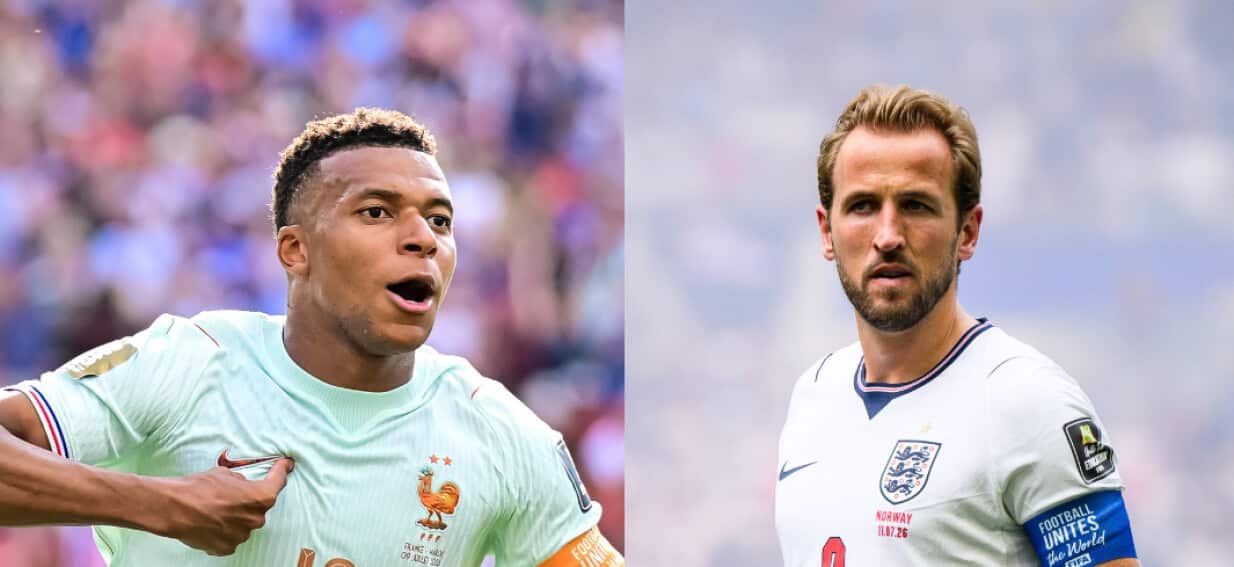
The vibrant roar of the final may be denied, but the Santiago Bernabéu Stadium will still pulse with anticipation on Saturday as England and France, two footballing behemoths, face off in the FIFA World Cup 2026 third-place playoff. While neither side envisioned this as their penultimate fixture, the bronze medal match is far from a dead rubber, offering a potent cocktail of redemption, bragging rights, and a multi-million dollar prize.
After heartbreaking semi-final exits—England's stoic defence eventually breached, France's scintillating attack stifled—the initial sting of defeat may linger. However, as SBS News Top Stories reported, the focus has swiftly shifted towards what is still profoundly on the line for both nations. This isn't merely about avoiding the ignominy of fourth place; it's a genuine opportunity to finish the tournament on a high, solidify their standing, and secure a substantial financial boost from FIFA.
The Allure of the Bronze: AUD$43 Million on the Line
The financial stakes alone are enough to ignite fervent competition. The difference in prize money between third and fourth place is a staggering sum, one that could significantly impact future development programs, infrastructure, or even player bonuses for the respective Football Associations. Third place secures an impressive US$27 million (approximately AUD$43 million), a considerable bounty compared to the US$25 million (around AUD$39.8 million) awarded for fourth. This AUD$3.2 million disparity is no mere rounding error; it's a tangible reward that adds a layer of economic incentive to the already intense sporting rivalry.
Beyond individual player pride, national federations keenly feel the impact of such figures. For associations constantly balancing budgets and seeking ways to elevate their domestic leagues and youth academies, an extra few million dollars can make a substantial difference. It’s a bonus that, while not matching the winner’s spoils, is undoubtedly a significant boost for either England's Football Association or the Fédération Française de Football.
A Platform For Redemption and Emerging Talent
For many players, particularly those who may not have featured prominently in earlier knockout rounds, the third-place playoff offers a final chance to shine on the world stage. It's an audition for future international call-ups, a moment to etch their name into the annals of a World Cup campaign, even if it didn't culminate in the ultimate prize. Youngsters eager to prove their mettle, and seasoned veterans hoping to retire from international duty with a medal, will find immense motivation.
The tactical battle will be intriguing. Will coaches opt for continuity, seeking to iron out the creases that led to their semi-final downfall, or will they experiment with new formations and fringe players? The psychology of such a match, where the pressure of the final is absent but the desire to succeed remains, often leads to open, attacking football, much to the delight of the spectators.
Seeding, Prestige, and Fan Expectation
While largely symbolic, a third-place finish also carries a degree of prestige that differentiates it from finishing fourth. It solidifies a nation's position among the elite, demonstrating consistency and resilience even in the face of ultimate disappointment. For fans, it's an opportunity to celebrate one last victory, to acknowledge the team's journey, and to send them home with a tangible reward for their efforts.
Furthermore, strong performances in major tournaments, even if not culminating in a win, can influence future FIFA rankings and seeding for subsequent competitions. A higher ranking can often lead to a more favourable draw in qualifying campaigns or future World Cups, thereby easing the path towards contention. As England and France take to the turf, the battle for bronze will be a compelling spectacle, showcasing that even without the golden trophy, there remains a wealth to play for.