Beyond the high-stakes theatre of Capitol Hill, millions of voters across provincial America are heading to the polls driven by immediate household anxieties rather than ideological warfare, independent outlet Crikey reported.
While international headlines remain fixated on the knife-edge race for Congress and the Senate, a vastly different political reality is unfolding across the towns and rural counties of the United States. Away from prime-time cable studios and hyper-partisan rallies, the national midterm elections carry an entirely different resonance on Main Street.
The chasm between Washington and Main Street
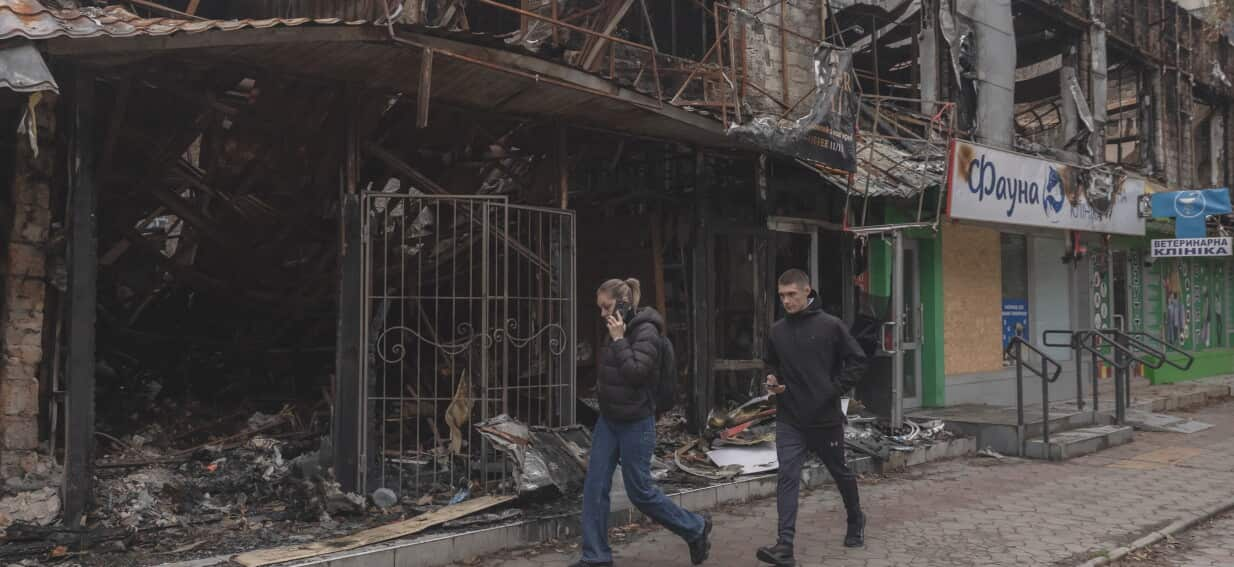
According to Crikey’s reporting from regional communities, the ferocious culture wars dominating federal discourse often feel entirely detached from everyday life. In small towns, voters express mounting frustration with an establishment consumed by partisan point-scoring while local infrastructure and public services languish.
Rather than viewing the ballot as an existential referendum on the nation's soul, regional electorates frequently assess candidates on basic competency. Local road networks, the retention of regional healthcare workers, and neighbourhood amenities consistently outweigh the high-volume rhetoric crafted in Washington consulting suites.
Everyday pressures eclipsing culture wars
Economic strain forms the undeniable backdrop to this quiet disillusionment. With inflation driving up the cost of groceries, petrol, and utilities, provincial households are calculating the tangible financial impact of the past two years. Crikey noted that the sheer cost of living—where even routine weekly shopping bills have escalated sharply—dominates diner conversations far more than constitutional debates.
For many working-class families, whether a candidate wears a Democratic or Republican rosette matters considerably less than whether they possess a credible plan to alleviate hip-pocket pain. The economic squeeze has challenged traditional political loyalties, leaving both major parties struggling to mount persuasive arguments to deeply sceptical regional audiences.
Grassroots apathy and political fatigue
The journey through these smaller communities also exposed a pervasive sense of political exhaustion. Rather than incandescent rage, the prevailing sentiment in many regional enclaves is weariness. Voters across demographic divides report feeling overlooked by centralised party machines that only seem to acknowledge their postcodes when election cycles demand their ballots.
This detachment poses a serious dilemma for campaign strategists. In tight congressional contests where regional turnout can decide pivotal seats, relying on conventional national attack ads risks alienating uncommitted voters who prize pragmatism and local stability over beltway drama.
Local ballots carry profound national weight
Yet, despite the palpable detachment from federal politics, these grassroots decisions will ultimately dictate the balance of power in Washington. Small-town voter margins, often shifting by just a handful of votes per precinct, routinely deliver the crucial swing districts that flip legislative chambers.
As polling booths open across the country, the trajectory of American governance may well depend not on the fiercest national combatants, but on the pragmatic, quiet verdicts delivered in community halls, school gymnasiums, and regional town centres across the heartland.