Melbourne has become an unlikely global pilgrimage site for film fanatics, with hundreds of international cinephiles travelling an astonishing 12,000 kilometres to witness a newly released film. Eschewing cinemas in their home countries, these dedicated viewers have converged on the Victorian capital for a unique cinematic experience not available elsewhere.
Their cross-continental journeys, often costing thousands of Australian dollars in flights and accommodation, highlight the growing allure of specialised film presentation formats. As SBS News Top Stories reported, these travellers are not just watching a movie; they are participating in an event, drawn by a bespoke viewing environment that promises an unparalleled immersive experience.
The Magnetic Pull of Melbourne's Screen
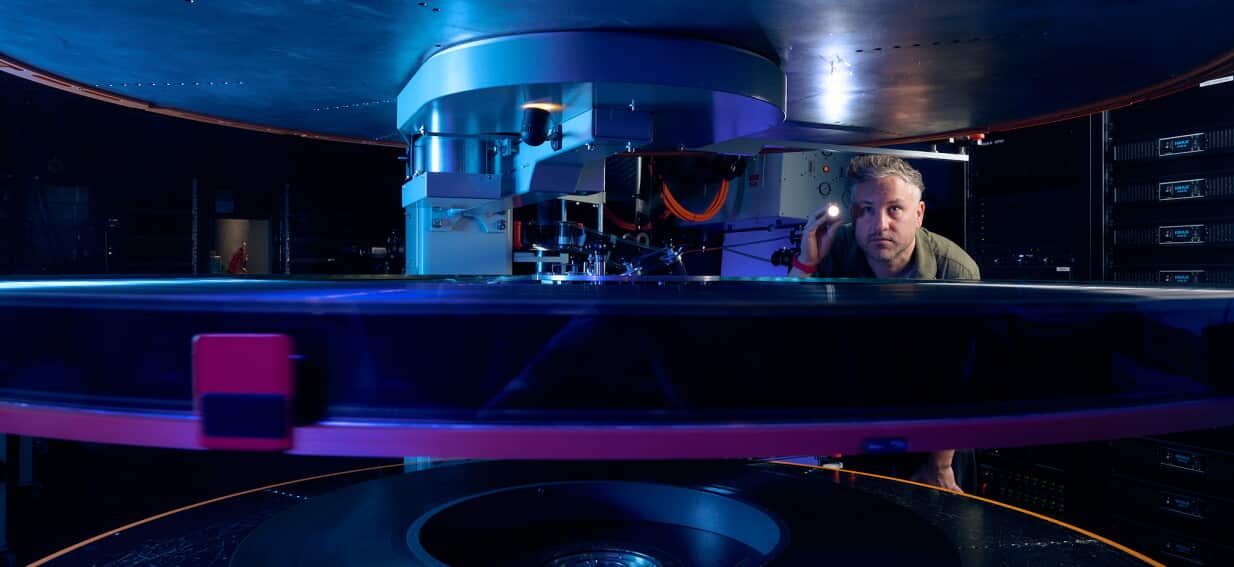
The central magnet for this exodus of moviegoers is a cutting-edge cinema located in Melbourne that boasts proprietary projection and sound technologies. Industry insiders suggest this venue is one of only a handful worldwide capable of presenting certain films in their originally intended, often technically demanding, formats. For discerning fans, particularly those deeply invested in specific filmmakers or genres, this fidelity to artistic vision is paramount.
While the specific film attracting this global audience remains confidential, it is understood to be a major international release whose creators have emphasised its technical presentation. This isn't merely about seeing a film early; it's about seeing it properly, as the director intended, on a screen equipped to deliver every pixel and decibel with pristine accuracy. This level of technical perfection has created a niche but highly dedicated market, willing to invest significant time and money for the ultimate viewing.
A Cinematic Quest, Not a Holiday
Unlike conventional tourism, many of these international visitors appear to have a singular focus: the film. While they might explore Melbourne's renowned laneway cafes or vibrant arts scene incidentally, their primary motivation is the two-to-three-hour cinematic event. Anecdotal evidence suggests some fly in, attend multiple screenings, and depart within days, minimising ancillary travel expenses.
Their commitment underscores a shifting paradigm in how certain audiences engage with cinema. In an era of readily available streaming and ubiquitous multiplexes, the act of travel for a film experience elevates it beyond mere entertainment to a cultural or even spiritual quest. It speaks to a deep appreciation for the artistry and technical craft involved in filmmaking, fostering a sense of community among those who share this passion.
Economic Upswing for Local Businesses?
The influx of these dedicated film tourists could represent a serendipitous boost for Melbourne's tourism and hospitality sectors. While their stays might be brief, their concentrated spending on flights, accommodation, and potentially dining near the cinema adds a valuable, if irregular, revenue stream. Small businesses, particularly hotels and restaurants in the immediate vicinity of the specialised cinema, are likely to be the primary beneficiaries.
Local tourism bodies are reportedly monitoring the trend, considering how to leverage this unique appeal to broaden Melbourne's reputation as a cultural hub. The city's existing strengths in arts, theatre, and dining are already well-established, but its emergence as a destination for ultra-high-fidelity cinematic experiences adds another compelling layer to its international profile.
The Future of Niche Film Tourism
This phenomenon raises intriguing questions about the future of film exhibition. As home theatre technology advances, cinemas are increasingly looking for ways to differentiate themselves. The Melbourne example suggests that hyper-specialisation and unparalleled technical quality can draw audiences from extraordinary distances, offering a blueprint for niche film tourism.
It demonstrates that for certain productions and certain audiences, the communal, technically perfect big-screen experience remains irreplaceable, even if it requires a 12,000-kilometre journey and a substantial financial outlay. Melbourne, it seems, has inadvertently stumbled upon a new front in the global cinematic landscape.