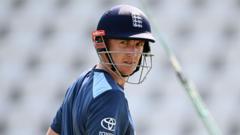
England’s dynamic middle-order batter, Harry Brook, has put his hand up for the prestigious — and historically demanding — role of Test captain, indicating he would accept the honour should it be offered. Speaking to BBC Sport, the 25-year-old also revealed an ambition that challenges conventional wisdom within elite cricket: the belief that a single player can effectively lead their nation across all three international formats.
Brook’s comments come at a fascinating juncture for English cricket. While Ben Stokes currently holds the Test captaincy with considerable success, guiding a revitalised 'Bazball' era, his future workload and the long-term succession plan are perennial topics of discussion. Brook’s proactive stance offers a compelling, albeit youthful, option for selectors pondering future leadership.
A Bold Proposition for Leadership
The Yorkshireman's assertion that he could captain England in Tests, One-Day Internationals (ODIs), and Twenty20 Internationals (T20Is) simultaneously marks a significant psychological shift. Historically, the immense pressures of leading even one format have often seen captains relinquish others to manage their physical and mental toll. For Australia, the demands on Pat Cummins as a triple-format skipper have been a focal point of debate, with questions frequently raised about sustainability.
Brook, however, seems unfazed by such concerns. His confidence stems from an exceptional rise in international cricket since his debut in 2022. Known for his aggressive batting and calm demeanour under pressure, he has quickly established himself as a lynchpin across all facets of the game. This blend of performance and apparent sangfroid might be the bedrock of his belief that he can defy the historical precedent of specialised captaincies. His age also presents a long potential runway for leadership, offering stability that national teams often crave.
The Australian Parallel: Cummins' Challenging Blueprint
Closer to home, the Australian experience with a multi-format captain provides a live case study for England to observe. Pat Cummins, esteemed for his leadership in Tests and ODIs, recently relinquished the T20 captaincy, passing the baton to Mitch Marsh. This decision was largely driven by the gruelling schedule and the desire to optimise performance across formats, particularly with the Test agenda remaining paramount.
The logistical nightmares alone of managing three separate squads, coaching staffs, and distinct strategic approaches are immense. Travel commitments, media duties, selection pressures, and the sheer mental drain of making critical decisions day in and day out can quickly overwhelm even the most resilient individuals. Brook would need to demonstrate an unparalleled capacity for mental fortitude and strategic versatility to succeed where others have opted for specialisation. An additional AUD$50,000 to AUD$100,000 per format in captaincy fees might make the proposition more attractive, yet the non-financial toll remains substantial.
Shaping England's Future Cricket Blueprint
Brook’s public declaration is more than just an expression of personal ambition; it’s a statement that could influence the broader strategic direction of English cricket. Should selectors and the England and Wales Cricket Board (ECB) consider his proposal, it would necessitate a fundamental re-evaluation of captaincy roles and player management strategies. It’s a move that could streamline leadership, fostering a unified vision across all formats, but also one that carries significant risks regarding player burnout and potential performance dips.
His impressive Test statistics, including a memorable Ashes century at Headingley and an average north of 60, underscore his credentials as a premier batter. Transferring that individual brilliance into inspirational leadership across all formats, however, represents a challenge of an entirely different magnitude. Whether England chooses to embrace Brook’s bold vision for a singular, all-encompassing captaincy or continues with its more segmented approach remains to be seen, but his confidence has certainly sparked a crucial debate for the future of the English game.