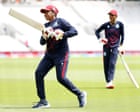
The Wallabies will ignite their 2026 campaign and the inaugural Nations Championship at a sold-out Allianz Stadium tonight, taking on world number one Ireland. This highly anticipated clash also marks the beginning of coach Joe Schmidt's swansong, as he prepares to hand the reins to Les Kiss.
However, in a sporting landscape dominated by the FIFA World Cup and the looming State of Origin decider, Rugby Australia faces an uphill battle for national attention. Guardian Australia Sport noted the challenge, suggesting Rugby Australia is "taking a knife to a gunfight in the battle for a sporting nation’s eyeballs."
Despite the stiff competition, the Wallabies are hoping this high-stakes encounter against formidable Irish opposition will be the catalyst for a strong performance across Schmidt's final Tests. The match not only kicks off a crucial period for Australian rugby but also sets the stage for the groundbreaking Nations Championship.
Schmidt's Strategic Departure and Legacy Building
Joe Schmidt’s tenure as Wallabies coach is drawing to a close, with Les Kiss slated to take over. This series of Tests against Ireland, France, and Italy is therefore not just about immediate results, but about laying a robust foundation for the future and establishing the team's credentials ahead of the next Rugby World Cup cycle. Schmidt, a revered figure in international rugby, will undoubtedly be looking to instill his tactical nous and competitive fire into the squad one last time. His expertise, particularly in set pieces and strategic play, will be vital in challenging top-tier nations like Ireland and France. A strong showing in these matches would cement his legacy and provide Kiss with a solid platform for future success.
Nations Championship: A New Global Stage
The Sydney Test against Ireland also heralds the commencement of the Rugby Nations Championship, a bold new initiative by World Rugby. This 12-team competition, featuring the best northern and southern hemisphere nations, will unfold across two windows – July and November. Guardian Australia Sport highlighted the significance of this inaugural round, explaining that it seeks to create a more compelling and consistent international rugby calendar. The format promises to deliver more meaningful Test matches outside of World Cup years, offering fans regular high-stakes encounters and providing teams with clearer pathways for development and ranking progression. For the Wallabies, it presents an immediate opportunity to measure themselves against the world's elite and establish an early foothold in the new tournament.
The Battle for Sporting Attention
While the rugby world is abuzz, the broader Australian sporting public is currently captivated by a confluence of major events. The FIFA World Cup is in full swing, drawing massive viewership and generating national excitement. Concurrently, the State of Origin decider, a contest that consistently commands immense public interest and television ratings, is just days away. This crowded sporting calendar poses a significant challenge for Rugby Australia to capture and sustain public engagement. Despite the Wallabies' sell-out crowd at Allianz Stadium, translating this immediate enthusiasm into broader national interest will require compelling performances and strong media narratives. The Wallabies understand that to cut through the noise, they must deliver an extraordinary performance that transcends the traditional rugby audience.
World Cup Aspirations on the Line
The clashes against Ireland, followed by Tests against powerhouses France and Italy, are crucial for the Wallabies' long-term aspirations. These matches are not merely exhibition games; they are vital opportunities to test combinations, refine strategies, and build confidence against some of the best teams on the planet. For many players, these Tests will be a chance to cement their place in the squad and prove their worth on the international stage. Success in this series, particularly against the reigning Grand Slam champions Ireland and the formidable French, would send a strong message about the Wallabies' potential and provide a significant boost to their World Cup credentials. The performance over the next few weeks will undoubtedly shape perceptions and expectations for Australian rugby heading into the next global showpiece event.