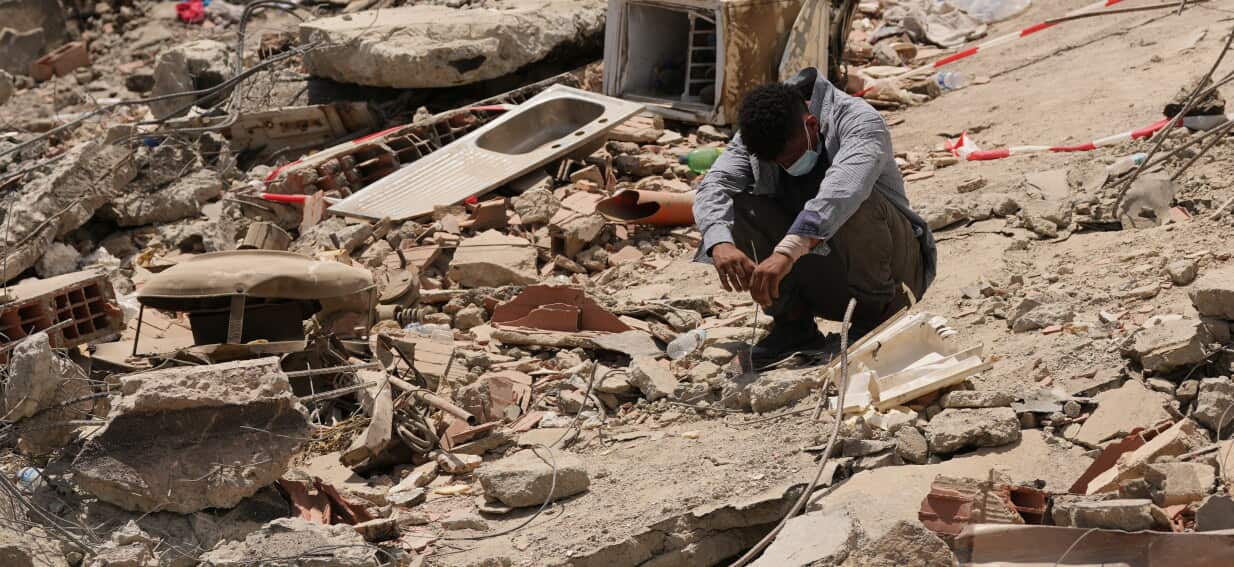
Caracas, Venezuela – The air hangs heavy with dust and despair in Caracas, where a desperate search for survivors is unfolding amidst the ruins of a city brought to its knees. What began as a frantic race against time has morphed into a grim testament to human suffering, with rescue teams battling not only the rubble but also the palpable frustration of a populace teetering on the edge.
The Fading Echoes of Hope
For days, the rhythmic thud of jackhammers and the urgent shouts of rescue workers have been the constant soundtrack to a city in crisis. Specialist teams, some flown in from as far afield as Australia courtesy of an emergency aid package valued at over $5 million AUD, are working around the clock, their determination unwavering even as the chances of finding more survivors diminish to near zero. BBC World reported that this period feels like the “hardest moment in Venezuela’s modern history,” a sentiment echoed in the strained faces of those gathered at the perimeters of collapsed buildings. The initial optimism has given way to a grim resignation, punctuated by the occasional surge of adrenaline when a faint sound is detected – often only to be followed by renewed silence.
A Humanitarian Crisis Deepens
The scale of the disaster has overwhelmed already stretched public services in a country long mired in economic and political turmoil. Hospitals, many struggling with chronic shortages of medicine and equipment even before the catastrophe, are now overflowing with the injured. Makeshift triage centres have been established in parks and community halls, staffed by exhausted medical professionals doing their utmost with incredibly meager resources. Water and sanitation infrastructure, brittle even on a good day, has been severely compromised, raising fears of widespread illness in the coming weeks. The international community has responded with expressions of sympathy and pledges of aid, but the logistical challenges of delivering assistance to a nation with strained diplomatic ties are considerable.
The Seeds of Fury
As hope for the missing wanes, a new, more dangerous emotion has begun to simmer: anger. There is a growing sentiment among residents that the government’s response has been inadequate, slow, and poorly coordinated. Whispers of corruption and mismanagement, long a feature of Venezuelan political discourse, now grow louder, fuelled by the perceived failure to protect its citizens. The contrast between the tireless efforts of individual rescue workers and the perceived institutional inertia is stark, deepening the chasm of public trust. Families of the missing, initially numb with shock, are now openly demanding answers and accountability, their grief morphing into a potent political force. Roadblocks have been sporadically erected by frustrated residents, impeding recovery efforts in some areas as they protest the lack of official presence and aid.
The Long Road to Recovery
Even as the immediate crisis continues, the long-term implications for Caracas and Venezuela are daunting. Rebuilding efforts will require colossal financial investment and meticulous planning in a nation already struggling with hyperinflation and widespread poverty. The psychological toll on a population that has endured years of hardship, only to be struck by this latest tragedy, will be immense. The scars left by this disaster will run deep, not only in the physical landscape of Caracas but also in the collective psyche of its people, shaping the country’s trajectory for years to come. The question remains whether this latest hardship will finally be the catalyst for meaningful change, or if it will simply deepen the despair felt by so many.