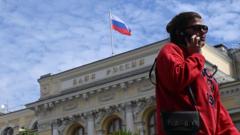
Russians are abandoning digital payment methods in favour of physical cash, a widespread trend signifying growing economic unease and a concerted effort to bypass taxation amidst the protracted conflict in Ukraine. This return to tangible currency comes as the nation grapples with widespread internet disruptions and businesses seek ways to skirt state oversight after more than four years of war.
The shift, reported by BBC World, paints a picture of a populace and economy under immense pressure. What was once a burgeoning digital payments landscape, with card and mobile transactions commonplace, is now regressing as trust in formal financial systems wanes and the allure of untraceable cash transactions grows. Experts suggest this is a predictable, albeit concerning, response to an economy battling sanctions, capital flight, and the immense cost of sustained conflict.
Mobile Blackouts Fuel Distrust
The widespread and often unpredictable mobile internet shutdowns across Russia have acted as a significant catalyst for this resurgence in cash. From major cities to remote regions, citizens are experiencing intermittent connectivity, rendering digital payment apps and online banking unreliable. For many, the frustration of failed transactions and the inability to access essential services online have pushed them back to the perceived security of physical banknotes.
These disruptions are not merely technical glitches; they are often strategically implemented by authorities, ostensibly for security reasons or to control information flow. However, their practical impact is to stifle legitimate commerce and force consumers into a less transparent system. For a daily wage earner or a smaller business, relying on a patchy internet connection for income or transactions becomes untenable, making hard cash the only dependable alternative. This digital exodus is effectively unwinding years of progress in financial modernisation efforts.
Businesses Embrace the Shadows
Beyond consumer behaviour, the BBC World report also highlights a troubling trend among Russian businesses: a growing inclination to operate outside the formal economy to avoid taxation. With government coffers increasingly drained by military spending and international sanctions biting deep, tax burdens are tightening. For many businesses, particularly small and medium-sized enterprises (SMEs), the incentive to operate 'off the books' has become too strong to resist.
Accepting cash payments and paying workers in untraceable currency allows these businesses to underreport income, evade taxes, and sidestep increasingly stringent regulations. This shadow economy, while offering short-term relief to individual enterprises, ultimately starves the state of vital revenue, further exacerbating the nation's economic woes. It creates a vicious cycle where a struggling government imposes more taxes, driving more businesses underground, and further diminishes the tax base.
Long-Term Economic Damage
The move towards a cash-dominated economy carries significant long-term implications for Russia. A vibrant digital economy fosters transparency, efficiency, and provides invaluable data for economic planning. By retreating into cash, Russia risks reversing these gains, making it harder to track economic activity, combat corruption effectively, and attract foreign investment. For Australian businesses observing the global landscape, Russia’s economic regression serves as a stark reminder of the financial instability that war can inflict.
Furthermore, the increased reliance on cash makes the economy more susceptible to illicit activities, including money laundering and organised crime, as transactions become harder to monitor. This informalisation of the economy will likely entrench inefficiencies and hinder future growth, creating a less stable and predictable business environment. As the war in Ukraine shows no signs of abating, the trajectory towards a less digital, more opaque Russian economy appears set to continue, presenting ongoing challenges for both its citizens and the global financial community.