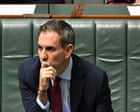
Treasurer Jim Chalmers is confronting an intensifying economic and political dilemma, as persistent price pressures threaten to force further interest rate rises and erode public confidence in the Albanese government’s fiscal stewardship.
With headline inflation accelerating to 4.3 per cent, the Reserve Bank of Australia faces fresh impetus to lift the official cash rate when its board convenes for its traditional Melbourne Cup Day meeting. The deteriorating inflation profile has placed the federal government in an acute political bind, as Guardian Australian politics reported that Dr Chalmers is eyeing spending reductions while simultaneously grappling with internal party demands for targeted financial assistance.
Inflation spike sharpens Melbourne Cup Day rate risk
The unexpected resilience of price growth has rattled federal economic managers, who had hoped the worst of the inflationary cycle had passed. A 4.3 per cent reading complicates the central bank’s task, intensifying expectations that monetary policy must remain tighter for longer to drag consumer demand back into balance.
For millions of households across Sydney and regional New South Wales, the prospect of an eleventh-hour rate increase on the first Tuesday of November represents a bitter financial pill. Consecutive rate rises over the past eighteen months have already added hundreds of dollars to monthly mortgage repayments, eating into disposable incomes and driving consumer sentiment to near-recessionary lows.
Internal party friction over expenditure restraint
Dr Chalmers has repeatedly insisted that Commonwealth spending must remain restrained to avoid adding fuel to the inflationary fire. However, fiscal discipline is proving increasingly difficult to sell within his own ranks.
Guardian Australian politics reported that while the Treasurer is actively examining potential government spending cuts across various departments, he faces persistent friction from within the Labor caucus. Rank-and-file MPs, mindful of escalating discontent in mortgage-belt electorates, are agitating for more substantive cost-of-living interventions rather than a contractionary fiscal stance that risks alienating vulnerable communities.
Compounding pressures erode household budgets
The compounding nature of the cost-of-living crisis is amplifying community anxiety. Analysis from KPMG chief economist Brendan Rynne highlighted that it is the cumulative burden of elevated prices and repeated borrowing rate increases that is now systematically exhausting household balance sheets.
While individual quarterly data points demonstrate modest fluctuations, the reality for consumers is that essential grocery lines, utility charges, and housing costs remain locked at elevated plateaus. Small businesses are similarly bearing the brunt of the slowdown, squeezed between rising operational overheads and retreating consumer spending.
Labor battles shifting blame over living costs
This compounding pressure has fundamentally destabilised the government’s political narrative. In the early months of the term, ministers could comfortably attribute inflation to international supply-chain bottlenecks and the legacy of the previous Coalition administration.
Eighteen months into government, however, that rhetorical shield has worn thin. Strained voters are increasingly directing their frustration towards Canberra, demanding tangible relief rather than technical explanations of macroeconomic restraint.
With the Melbourne Cup Day decision looming as a defining economic bellwether, Dr Chalmers faces an unforgiving test of political management: convince the electorate that painful fiscal discipline remains the only viable path to long-term stability, or risk permanently losing custody of the economic debate.