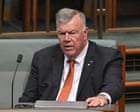
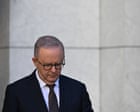
Treasurer Jim Chalmers has delivered a sobering assessment of the nation’s economic outlook, warning households that stubborn inflation and high interest rates will prolong cost-of-living hardship well into the coming year.
The admission marks a distinct shift in tone from the Albanese government, which is increasingly acknowledging that there are few painless remedies available to tame the country's economic headwinds. With domestic demand proving resilient and external price shocks persisting, the pathway back to the Reserve Bank of Australia’s target inflation band of 2 to 3 per cent remains protracted and fraught.
As The Conversation AU reported, ministers are now having to tell an exhausted public that their financial pain will not subside quickly, a message fraught with electoral hazard for a government seeking to defend its economic record.
Balancing fiscal restraint with voter fatigue
For Dr Chalmers, the primary dilemma lies in managing the federal balance sheet without exacerbating the inflationary pressures that have driven the cash rate to punishing highs. While the Commonwealth has returned back-to-back budget surpluses on the back of elevated commodity prices and strong employment receipts, those windfalls cannot easily be disbursed to struggling families.
Injecting fresh capital into the economy through broad-based financial relief risks sustaining the very aggregate demand the central bank is attempting to cool. Consequently, the government has been forced into delivering tightly targeted assistance, such as energy bill rebates and Commonwealth Rent Assistance, which offer only modest respite to household budgets stretched by cumulative price rises.
Inflation battle constrains budget choices
The stubborn nature of core inflation has significantly narrowed the government's policy horizon. While headline figures have shown occasional moderation, underlying inflation has proved more difficult to dislodge, driven by non-tradable goods, housing constraints, and persistent service costs.
The Conversation AU noted that this economic reality severely limits the government’s capacity to deploy major policy interventions ahead of the next federal election. Ministers are caught between demands from backbenchers for cost-of-living intervention and warnings from treasury officials that fiscal loosening could compel the RBA to keep monetary policy tighter for longer.
Growing political risks for Albanese ministry
The prolonged economic squeeze is already translating into mounting political vulnerability. Across key suburban corridors, particularly the mortgage-belt electorates of outer Sydney and Melbourne, voter sentiment is deteriorating as consecutive rate rises compound the cost of basic commodities.
Public fatigue is turning into political dissatisfaction. While the administration initially benefited from comparisons to its predecessor, it must now own the prevailing economic conditions. The federal opposition has intensified its critique, arguing that federal spending settings have prolonged high interest rates and placed undue weight on working families.
The narrowing path to economic relief
Navigating the coming quarters will require delicate rhetoric and disciplined fiscal management. The government faces the unenviable task of explaining why restraint remains necessary while households watch their real wages stagnate and disposable incomes contract.
Unless price stability returns sooner than market economists anticipate, the Albanese government will enter the next election cycle asking voters for patience rather than celebrating prosperity—a notoriously precarious proposition in Australian politics.