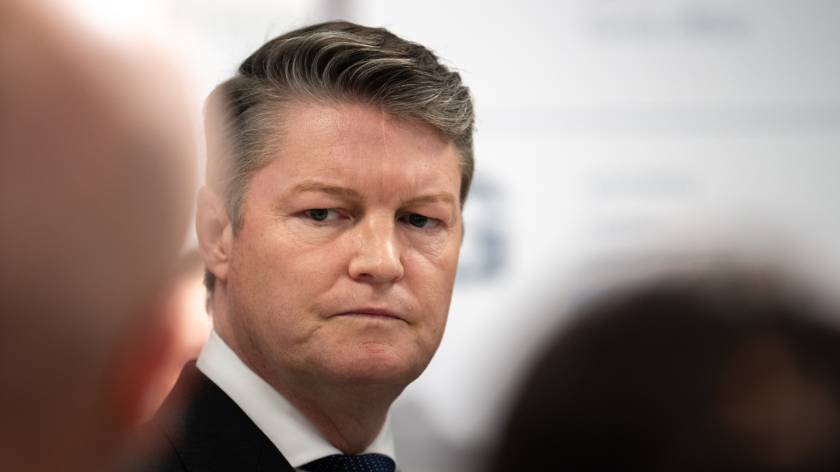
Victoria's political ground has shifted significantly, with a new poll indicating the Coalition has overtaken Labor following a tumultuous week that saw a change in the state's leadership. The snap survey suggests a substantial blow to Labor's standing, offering a glimmer of hope to the Liberal-National parties as the next state election looms.
Post-Spill Power Play
The Victorian Labor Party, still reeling from last week's leadership upheaval, appears to be facing a significant public backlash. Crikey reported that the first poll conducted since the spill shows a measurable dip in Labor's support, placing them behind the Coalition. While specific figures were not immediately available, the report underscores a palpable shift in voter sentiment. Political analysts suggest the leadership change, which saw the unexpected ousting of the previous premier, has created an air of instability that voters are registering at the ballot box, at least in the short term. The Coalition, sensing an opportunity, is expected to capitalise on this perceived disarray, intensifying their critique of Labor's internal struggles and presenting themselves as a steady alternative. This newfound lead, however slim, provides a significant psychological boost for the Opposition, who have been struggling to gain consistent traction against the incumbent government.
The Fallout for Victorian Labor
The implications for Victorian Labor are profound. The party will undoubtedly be scrutinising these early poll results with concern, understanding that a dip in popularity so close to a leadership change can be challenging to reverse. The new premier and their cabinet face the immediate task of unifying the party and re-establishing public trust. Strategies will likely focus on highlighting policy achievements, projecting an image of stability, and addressing voter anxieties that may have contributed to this shift in allegiance. The Opposition will be quick to frame these results as a referendum on Labor's governance and internal stability, using it to fuel their electoral narrative. The upcoming months will be critical for Labor to demonstrate leadership and demonstrate they are still focused on the needs of Victorians, rather than internal machinations.
Farage's Australian Ambition
Beyond the local political drama, the Crikey report also touched upon an interesting international development. In the United Kingdom, Reform Party leader Nigel Farage has expressed a keen interest in adopting an "Australian-style approach" to border control. While the specifics of Farage's proposal remain to be fully articulated, his comments suggest an admiration for Australia's strict immigration policies, particularly its emphasis on offshore processing and robust border security measures. This signals a growing international recognition, and indeed, debate, surrounding Australia's approach to managing its borders. The UK, like many European nations, is grappling with complex immigration challenges, and Farage's remarks indicate a potential shift towards more hardline policies, drawing inspiration from distant shores.
Implications for Australian Policy
Farage's public endorsement of an Australian border model could have a multifaceted impact. Domestically, it might reignite discussions about the effectiveness and ethics of Australia's own immigration policies, potentially leading to renewed scrutiny from international human rights organisations and domestic advocacy groups. For Australia's political leaders, it offers a form of international validation for their often controversial approach, which has been consistently defended as necessary for national security and maintaining orderly immigration. Globally, it could set a precedent, encouraging other nations facing similar pressures to consider adopting elements of the Australian model. This international interest underscores the ongoing global debate around immigration and the various strategies nations employ to manage it, with Australia's approach now firmly on the international radar as a point of reference, whether for emulation or critique.