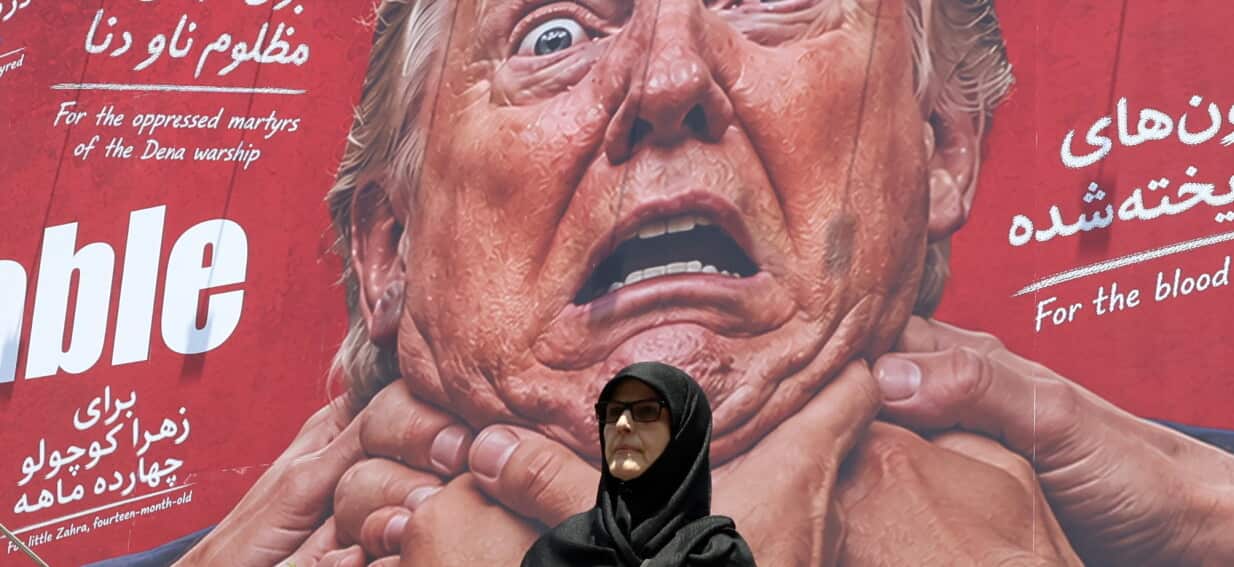
Amidst the escalating rhetoric and military posturing between Washington and Tehran, intelligence analysts and foreign policy experts are increasingly converging on a provocative theory: Iran's current aggressive posture isn't a prelude to all-out war, but rather a meticulously calculated 'endurance gambit' designed to outlast and outmanoeuvre the Trump administration.
Far from seeking a decisive military confrontation that it almost certainly couldn't win, Iran's real plan, according to analyses, is far more complex and patient than many in the US may have anticipated. The strategy hinges on applying calibrated pressure through a series of provocations, economic leverage, and diplomatic manoeuvring, aiming to wear down American resolve and force a renegotiation of sanctions on terms more favourable to Tehran.
A Strategy Beyond the Battlefield
SBS News Top Stories reported that this sophisticated approach involves a multi-pronged offensive. On one front, Iran has accelerated its nuclear program beyond the limits set by the 2015 Joint Comprehensive Plan of Action (JCPOA), or Iran nuclear deal, which the US unilaterally abandoned. This move, while alarming, is seen as a bargaining chip – a demonstration of Iran's capacity to destabilise the non-proliferation regime if its demands are not met. The message is clear: continued isolation will lead to further escalation of nuclear activities.
Concurrently, Tehran has been implicated in a series of regional aggressions, including attacks on oil tankers in the Gulf and drone strikes on Saudi Arabian oil facilities. These actions, while not directly confronting US forces, serve to underscore Iran's capacity to disrupt global energy markets and raise the economic costs of the current standoff. The implied threat to international commerce is a powerful lever, impacting oil prices and creating uncertainty for global investors, including Australian businesses reliant on stable supply chains.
Economic Warfare and Domestic Pressure
The enduring pressure on the Iranian economy, largely due to stringent US sanctions, is a double-edged sword. While it has undoubtedly crippled Iran's oil exports and caused significant domestic hardship, it has also, paradoxically, strengthened the regime's resolve and fostered a siege mentality. Rather than buckling, the leadership appears to be betting that their nation’s capacity for enduring hardship is greater than America's patience for a drawn-out, costly confrontation.
Analysts suggest that Iran's leaders believe they can weather the current economic storm long enough for US domestic political cycles to shift. The assumption is that a new US administration, or even a change in the current one's priorities, might be more amenable to re-engaging with Iran on a less confrontational basis. This waiting game is central to the endurance gambit, transforming economic pain into a test of wills.
The Regional Chessboard
Beyond direct US-Iran relations, Tehran is also actively reshaping the regional chessboard. By bolstering its proxies in Iraq, Syria, Lebanon, and Yemen, Iran maintains a credible threat to US interests and allies throughout the Middle East. These non-state actors provide Tehran with deniable leverage and a means of projecting power without direct military engagement. Any major US military action against Iran could easily ignite these flashpoints, creating a broader, more intractable regional conflict.
This intricate web of alliances and influence allows Iran to keep the US off balance, forcing Washington to contend with multiple threats across various fronts. The ultimate goal, experts contend, is to demonstrate that the cost of containing Iran, both militarily and economically, is simply too high for the US to sustain indefinitely. For Canberra, with significant economic ties to the region and a vested interest in global stability, understanding this complex Iranian strategy is crucial for navigating the evolving geopolitical landscape.