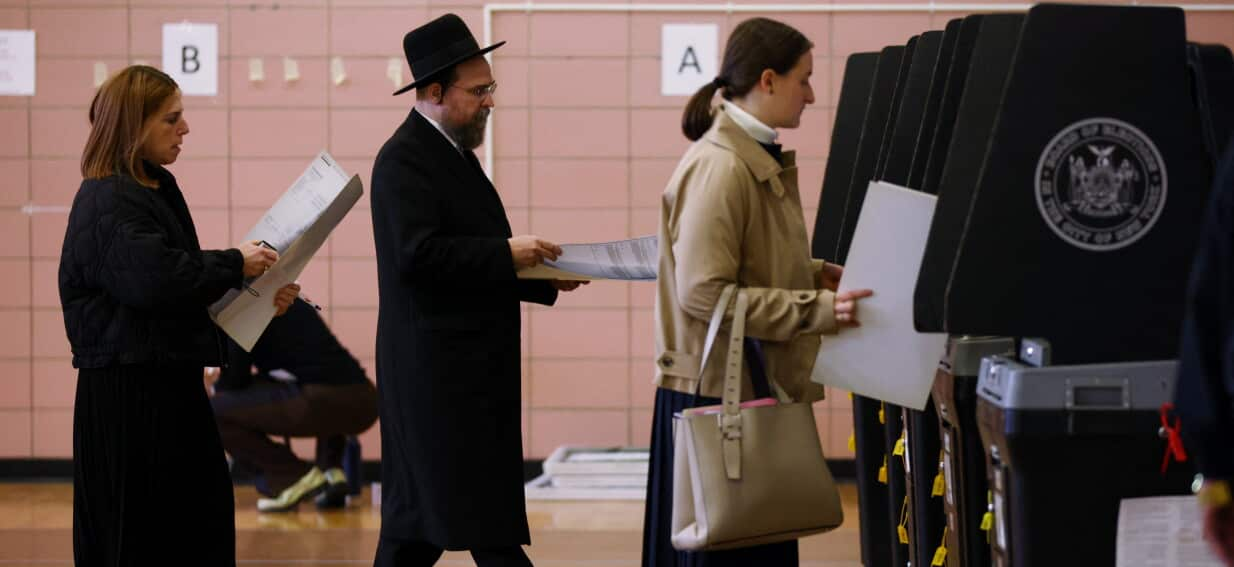
Tens of millions of Americans have begun casting ballots in critical midterm elections, with acute cost-of-living pressures and soaring household expenses overshadowing traditional political allegiances across key battleground states.
With all 435 seats in the House of Representatives and more than a third of the Senate contested, the vote will dictate the balance of power in Washington for the remainder of the presidential term. Electors across 50 states are confronting levels of inflation not seen in four decades, creating an intensely hostile climate for incumbents seeking to defend narrow majorities.
Grocery and petrol pressures drive voter anxiety
SBS News Top Stories reported that polling across key districts revealed voters are acutely distressed by the cost of living, with rising food and fuel prices steering public conviction towards wholesale political change.
Household budgets have been severely strained over the past year. In many states, motorists have endured bowser prices equivalent to more than $2.50 AUD per litre, alongside substantial price hikes on staple supermarket goods. While social matters and democratic norms featured heavily in early campaigning, economic fundamentals have ultimately dictated the final stretch of the race. Suburban voters, who previously broke away from conservative candidates, appear increasingly swayed by the day-to-day strain on household savings.
Biden administration faces legislative deadlock
For the Democratic administration of President Joe Biden, historical trends and consumer gloom suggest a punishing contest. The party holding the White House traditionally loses congressional seats during midterms, and current sentiment leaves little room for complacency.
A transition to Republican control in either chamber would effectively paralyse the administration’s domestic policy ambitions. Such a shift would derail proposed social and climate spending programmes, complicate future federal appointments, and prompt extensive congressional inquiries into executive departments. Conversely, an unexpected hold by government forces would offer rare momentum to push forward stalled judicial appointments and fiscal initiatives ahead of the next presidential cycle.
Global markets and Canberra watch closely
The ramifications of the vote extend well beyond the borders of North America, holding direct consequences for international trade, energy policy, and strategic cooperation. Officials in Canberra and across regional diplomatic missions are monitoring early turnout figures with keen interest.
A gridlocked legislature in Washington could disrupt the predictability of multilateral security agreements across the Indo-Pacific, while a fiscally conservative House of Representatives may curtail foreign funding and trade programmes. Global markets are equally attuned to the counting, with currency analysts predicting short-term swings in the greenback that could rapidly flow through to the value of the Australian dollar and import costs.
Voting centres will remain open across several time zones into Wednesday afternoon Australian time, though complex tallying procedures in several contested states mean definitive outcomes in crucial Senate races could take days to confirm.