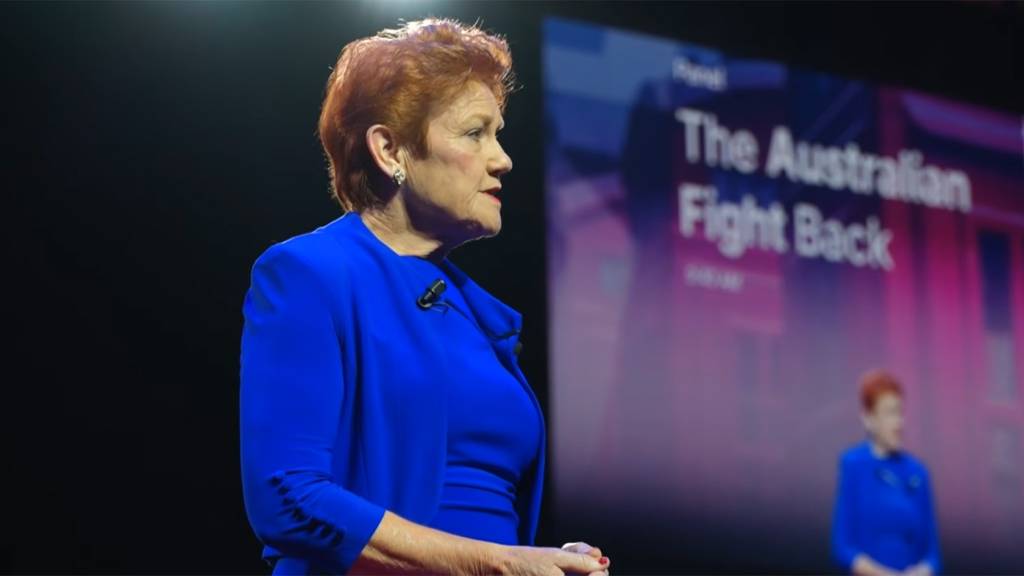
London’s political landscape recently played host to a peculiar event: the first-ever UK iteration of the Conservative Political Action Conference (CPAC). Known for its boisterous American parent, the British version, held just a stone's throw from Parliament, proved to be an altogether quieter, if no less ideologically charged, affair.
Crikey, an Australian news and opinion website, described the event as a “farcical ghost town,” noting the conspicuous absence of the throngs typically associated with such gatherings. Far from the bustling, Trump-era spectacles seen stateside, CPAC UK reportedly struggled to fill its modest venue, painting a picture of an alt-right movement still finding its footing on British soil.
Sparse Attendance, Potent Rhetoric
The sparse attendance at CPAC UK offered a stark contrast to the high-energy conservative conferences often held in the United States. Photos emerging from the event depicted rows of empty chairs and a general lack of the buzz expected from a major political conference. Crikey speculated that the event might have struggled to attract a broader audience due to its controversial speakers and the general disinterest among mainstream Conservative Party members.
Despite the noticeable lack of numbers, the content of the conference was anything but trivial. Speakers reportedly included a mix of commentators, politicians, and media personalities known for their strong right-wing views, some verging on the extreme. Topics ranged from critiques of “woke” culture and identity politics to concerns about immigration and traditional values, echoing themes often heard at global alt-right convocations.
Echoes of the American Right
Crikey highlighted the concerning parallels between the rhetoric espoused at CPAC UK and the more incendiary narratives frequently heard at its American counterpart. While the British political climate differs significantly from that of the United States, the conference demonstrated a clear attempt to import and amplify certain American-style culture war issues. This included discussions on issues such as “cancel culture” and “big tech censorship,” framed in a way that resonated with a specific segment of the right-wing electorate.
Observers, including those from Crikey, noted that while the overt nationalism might have been toned down compared to some American events, the underlying current of cultural grievance and suspicion of liberal institutions was palpable. The speakers, many of whom have significant online followings, used the platform to reinforce narratives that are increasingly prevalent within the global alt-right movement.
A Platform, Not a Populist Uprising
While the low attendance might lead some to dismiss CPAC UK as insignificant, Crikey argued that to do so would be a mistake. The conference, despite its “ghost town” appearance, still provided a platform for individuals and ideas that are considered extreme by mainstream political standards. In an era where fringe views can gain traction through digital echo chambers, any physical gathering, no matter how small, offers a degree of legitimacy and networking opportunities for like-minded individuals.
The danger, as Crikey pointed out, lies not in the immediate threat of a populist uprising stemming directly from this conference, but in the normalisation and mainstreaming of certain ideologies. By providing a stage for these views, CPAC UK, even in its inaugural and somewhat shambolic form, contributes to the broader discourse and can embolden those who hold similar, often divisive, opinions. The quiet hum of extremism, even in a sparsely populated room, can still carry considerable weight in the long run.
Ultimately, CPAC UK served as a stark reminder that even a poorly attended event can be significant when it offers a voice to narratives attempting to pull the political centre further to the right. While it may have lacked the spectacle, its ideological intent was clear, making it a potentially dangerous precursor rather than a harmless anomaly.