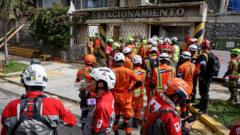
Damascus, Syria's ancient capital, was plunged into chaos overnight following reports of a 'massive explosion' that rattled buildings and sent shockwaves across the city. Syrian state media confirmed the incident, though details regarding the cause and potential casualties remain scant in the immediate aftermath.
The reverberations of the blast were felt widely, with residents taking to social media to describe their accounts of the powerful detonation. Al Jazeera reported that the explosion occurred, citing Syrian state media, which initially offered no further information on its origins or impact.
Unconfirmed Reports of Aerial Attack
While official sources have been tight-lipped, unconfirmed reports circulating on various media platforms and among local observers suggest the explosion may have been the result of an aerial missile strike. The precise target, if indeed a strike, has not been identified, leading to widespread speculation and concern among the populace.
The incident comes amidst ongoing regional tensions and a complex web of geopolitical interests in Syria, which has been mired in a protracted civil war for over a decade. Such events often trigger immediate fears of escalation, particularly when major urban centres are affected. The Sydney Daily News will continue to monitor official statements and reliable reports as they emerge.
Historical Context of Syrian Conflict
The Syrian conflict has been characterised by intervention from numerous international actors, each with their own strategic objectives. Various factions, including government forces, rebel groups, and international powers, operate within Syrian territory. This intricate dynamic makes attributing responsibility for such incidents notoriously difficult in the early stages.
Damascus, as the seat of the Syrian government, has been the target of various attacks throughout the conflict. While some strikes have been acknowledged by the perpetrators, others often remain unclaimed, adding to the fog of war and deepening regional instability. The international community consistently calls for de-escalation and adherence to international law, especially concerning civilian areas.
Broader Regional Instability Concerns
The explosion in Damascus inevitably raises concerns about broader regional stability, particularly given the already volatile situation in the Middle East. Any unprovoked attack or perceived act of aggression in such a sensitive area has the potential to trigger retaliatory actions and further entrench existing hostilities.
Analysts are already weighing in on the potential implications, suggesting that depending on the nature and perpetrator of the blast, it could signify a dangerous new phase in regional power struggles. The cost of such conflicts, both in human lives and economic impact, continues to be a devastating burden on the region and the global community. For instance, the ongoing humanitarian crisis in Syria alone has displaced millions and caused billions of dollars in infrastructure damage, a figure that would translate to hundreds of billions of Australian dollars. As developments unfold, the global community will be watching closely for official confirmations and any potential shifts in the volatile geopolitical landscape.