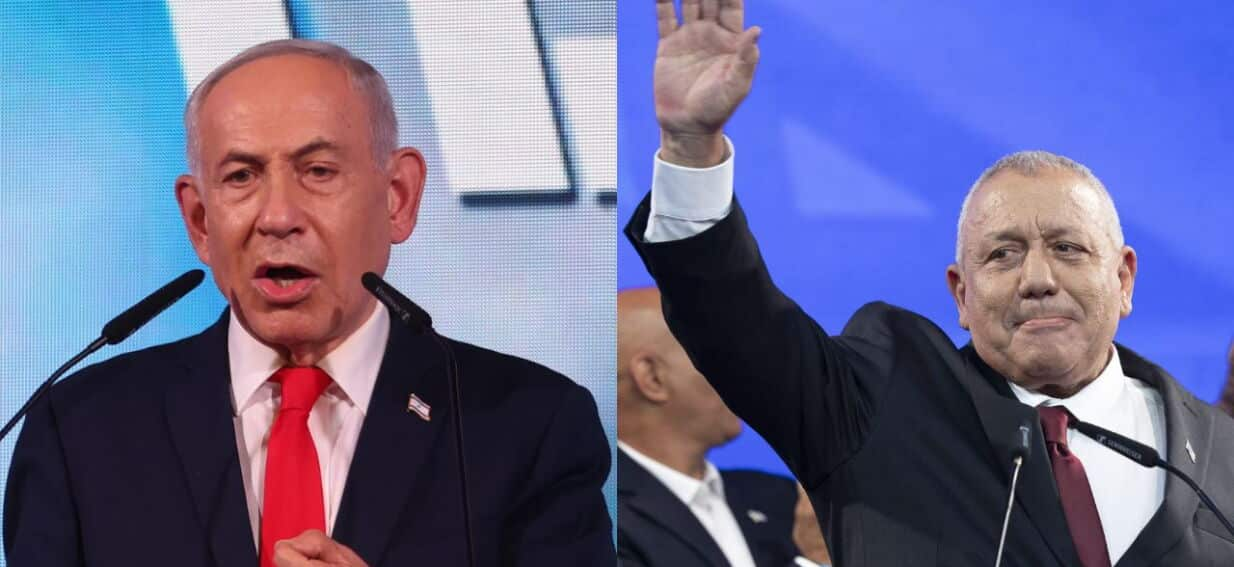
Israel faces another protracted period of political paralysis after voters delivered an inconclusive parliamentary election, leaving neither major ideological bloc with a straightforward path to an outright governing majority.
With ballot counting confirming a deeply divided electorate, the country’s fractured party system has once again failed to produce a decisive mandate. Instead, the outcome plunges Jerusalem straight into weeks—and potentially months—of intense backroom bargaining, as rival party leaders manoeuvre to stitch together the 61 seats required for a working majority in the 120-seat Knesset.
Fractured Knesset Leaves Blocs in Deadlock
The immediate aftermath of the vote underscores the systemic fragmentation that has plagued Israeli politics in recent years. As The Conversation AU reported, the arithmetic of the incoming parliament guarantees that any eventual administration will be inherently messy, volatile and beholden to fringe interests.
Neither the right-wing religious camp nor the disparate coalition of centrist, left-wing and secular parties has secured an unassailable advantage on its own. The resulting stalemate leaves party apparatchiks frantically assessing prospective alliances, with early overtures already meeting stiff resistance from prospective partners holding irreconcilable ideological positions.
The Presidential Mandate and Coalition Arithmetic
The institutional mechanism for resolving the impasse now shifts to the official residence of the Israeli president. Following formal consultations with representatives of every party elected to the Knesset, the head of state must decide which lawmaker possesses the most viable prospect of cobbling together a government.
Under Israeli law, the chosen candidate is granted an initial window of 28 days to build a coalition, with the possibility of a two-week extension. However, securing formal written pledges of support remains exceptionally challenging. If the designated candidate fails to seal an agreement, the presidential mandate can either be transferred to a rival contender or handed directly to the parliament itself, raising the stakes for every negotiator involved.
Kingmakers Hold the Balance of Power
The narrow margins have granted outsized leverage to smaller factions, whose leaders now sit in prime position to extract sweeping policy and budgetary concessions. The Conversation AU reported that the ultimate shape of the government will depend almost entirely on how far mainstream contenders are prepared to capitulate to these factional kingmakers.
Demands for senior cabinet portfolios—including defence, finance and internal security—are already dominating preliminary talks. Potential junior partners are also expected to push hard for targeted legislative programs, judicial curbs and substantial fiscal allocations running into hundreds of millions of dollars, testing the patience and ideological boundaries of prospective prime ministers.
Threat of Continued Electoral Instability
For an electorate exhausted by repeated trips to the ballot box, the looming negotiations offer little reassurance of lasting stability. In the event that talks collapse entirely, the Knesset faces automatic dissolution, which would thrust the nation towards yet another snap poll.
Even if a narrow government is successfully hammered out, analysts caution that an unwieldy alliance stitched together solely by political convenience will remain permanently vulnerable to parliamentary blackmail. For now, the keys to Israel’s immediate political future remain locked in committee rooms, where compromise will come at an exceptionally high price.