The Department of Defence endorsed a contentious bid to block Senate broadcast footage from social media platforms, citing fears over cyberbullying and national security, internal freedom of information documents reveal.
The proposal, floated ahead of a parliamentary hearing in September, sought to discourage the public and media from circulating video recordings of senior public servants delivering testimony to senators.
Ministerial offices alerted before committee pitch
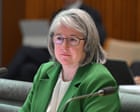
According to departmental correspondence obtained by The Guardian Australia under freedom of information laws, the initiative was devised by Defence Deputy Secretary Celia Perkins.
The correspondence indicates that Perkins intended to ask an inquiry committee to restrict the distribution of video material, arguing that online republication exposed bureaucratic witnesses to severe personal abuse.
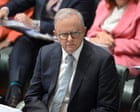
The strategy was escalated to the highest levels of the department, securing the personal sign-off of Defence Secretary Meghan Quinn. Documents show the plan was also formally flagged with the offices of Deputy Prime Minister and Defence Minister Richard Marles, as well as Assistant Minister for Defence Peter Khalil, prior to the appearance.
Online harassment cited alongside national security
Defence officials contended that the rapid amplification of committee hearing extracts on digital channels had generated an unsafe environment for departmental staff.
The department raised specific alarms over edited video segments stripped of context, which it warned could fuel targeted harassment campaigns against civilian staff members. In addition to personal welfare considerations, internal assessments claimed the wide dissemination of official testimony on social channels presented potential national security risks, particularly for personnel engaged in sensitive strategic, procurement, and intelligence portfolios.
Departmental leaders suggested that the aggressive repackaging of committee clashes undermined the welfare of public servants compelled to appear under parliamentary summons.
Transparency advocates challenge broadcast restrictions
The request has sparked sharp criticism across the political divide, with parliamentarians and legal experts warning that restricting footage threatens long-established principles of open government.
Senate estimates and parliamentary committee hearings have historically operated under rigorous transparency standards, functioning as the chief mechanism for holding the executive branch and military leadership accountable for multibillion-dollar expenditures and policy execution.
Critics argue that while cyberbullying remains a valid workplace hazard, public servants in senior executive roles must remain open to public appraisal. Reining in public access to official broadcasts, transparency advocates warn, risks shielding senior decision-makers from legitimate civilian scrutiny.
Scrutiny in the digital age
The dispute highlights growing tension between conventional parliamentary accountability and the modern digital landscape, where brief, combative exchanges are routinely packaged into viral content for political gain.
While Senate standing orders retain strict rules regarding the fair and accurate reporting of proceedings, direct bans on sharing legitimate public broadcast feeds remain unprecedented in modern Australian federal politics.
The controversy leaves Defence facing difficult questions regarding its approach to external scrutiny at a time when major capital projects and procurement decisions face heightened public interest.