Caracas, Venezuela — The humanitarian crisis in Venezuela has escalated dramatically following a devastating earthquake on Thursday, with the death toll now approaching 1,500 and an estimated 6.7 million people grappling with its aftermath, according to the United Nations.
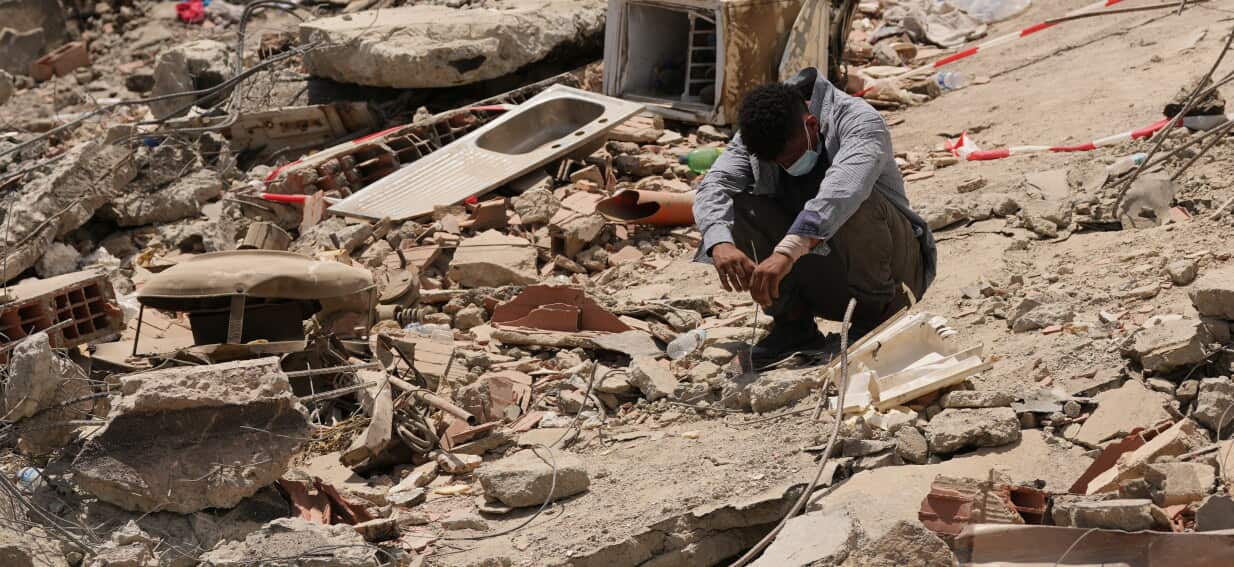
The 7.0-magnitude tremor, widely reported by SBS World, struck the South American nation with brutal force, toppling buildings, severing vital infrastructure, and triggering widespread panic. While initial reports focused on the immediate fatalities, the true scale of the disaster is now becoming terrifyingly clear, revealing vast swathes of the country plunged into chaos and despair. Thousands are injured, and an untold number have been displaced, their homes reduced to rubble.
Humanitarian Catastrophe Unfolds
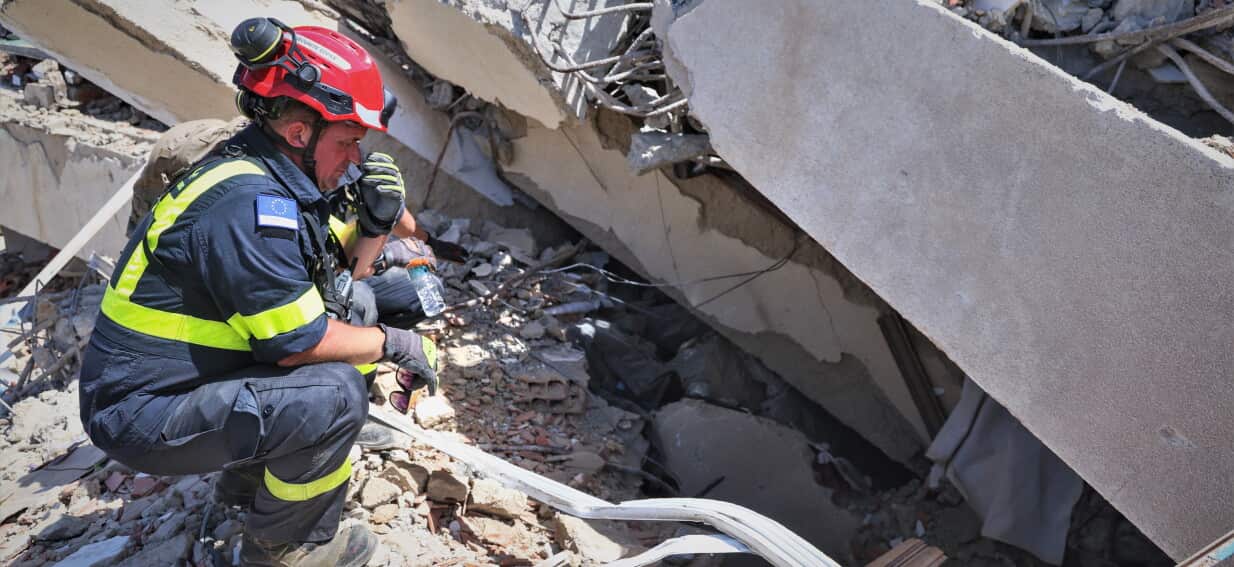
Emergency services, already stretched thin in a country facing severe economic hardship, are struggling to cope with the immense challenge. Remote regions, particularly in the mountainous interior, remain largely cut off, exacerbating fears that the death toll could climb even higher as rescue teams slowly reach isolated communities. Hospitals in major cities like Caracas and Maracaibo are overwhelmed, operating beyond capacity as they treat a continuous stream of injured survivors. Medical supplies, already scarce due to ongoing economic sanctions and internal strife, are now critically low, prompting desperate pleas for international assistance.
The UN Office for the Coordination of Humanitarian Affairs (OCHA) has reported that basic necessities such as clean water, food, and shelter are in dire supply across the affected zones. The widespread damage to roads and bridges is severely impeding aid distribution, creating a logistical nightmare for relief efforts. "The situation is incredibly challenging," a spokesperson for OCHA stated, without providing specific details. "We are working with local authorities and international partners to deliver aid, but access remains a significant hurdle."
Call for Global Solidarity
Local authorities and aid organisations on the ground are making urgent appeals to the international community for support. They estimate that millions of dollars in aid will be required to address the immediate aftermath and begin the long process of reconstruction. Australia, through its foreign aid programs, typically responds to such crises, and there is an expectation that Canberra will consider contributions to the Venezuelan relief effort, potentially through established UN channels or non-governmental organisations.
The cost of rebuilding infrastructure alone is projected to run into the hundreds of millions, possibly billions, of Australian dollars. Beyond immediate relief, long-term support will be crucial for Venezuela to recover from this monumental setback, especially given its pre-existing economic fragilities. The scale of the human suffering and material damage presents a stark reminder of the vulnerability of even large nations to the forces of nature.
Outlook Remains Grim
The immediate outlook for Venezuela remains grim. While the international community has begun to mobilise, the existing political and economic challenges within the country are complicating the rapid deployment and effective distribution of aid. The government has declared a national state of emergency, diverting what limited resources it possesses towards the relief effort. However, with 6.7 million people directly impacted by the disaster – a staggering figure representing nearly a quarter of Venezuela's population – the road to recovery will be arduous and protracted.
The earthquake serves as a devastating blow to a nation already facing a complex humanitarian situation. As rescue operations continue around the clock, and the full extent of the tragedy slowly comes into focus, the world watches on, hopeful that sufficient aid can reach those in desperate need and mitigate further loss of life.