Canberra is abuzz after the Israeli Embassy delivered an extraordinary four-page broadside against the Australian Labor Party's foreign policy platform, specifically targeting its proposed stances on the Israeli-Palestinian conflict just days before the ALP's national conference. The diplomatic intervention, an unusual public move from an embassy, has thrown a spotlight on the intricacies of Australia's foreign relations and domestic political alignments.
The extraordinary statement from the embassy, obtained and reported by SBS News Top Stories, meticulously dissected and condemned several key elements of Labor's draft platform. It specifically took aim at proposed motions that advocate for the recognition of a Palestinian state and criticise Israel's policies in the West Bank and Gaza Strip. The embassy reportedly described these positions as 'unhelpful' and 'undermining' efforts towards peace.
Unpacking the Diplomatic Disagreement
The Israeli Embassy's detailed critique argues that Labor's platform, if adopted, could embolden rejectionist elements within Palestinian leadership and complicate future peace negotiations. The statement emphasised Israel's security concerns and its perspective on the complexities of the conflict, urging Labor to consider the wider regional implications of its proposed policies. It highlighted the longstanding, bipartisan support for Israel within Australian politics and expressed concern that Labor's current direction could disrupt this delicate balance.
The document reportedly drew particular attention to the motion calling for the immediate recognition of a Palestinian state, a position that has gained traction within significant factions of the Labor Party. The embassy's argument hinges on the premise that such recognition should be the outcome of direct negotiations between the parties, rather than a unilateral declaration by third nations. This stance reflects a fundamental disagreement over the pathway to a two-state solution.
Labor's Cool Response to Criticism
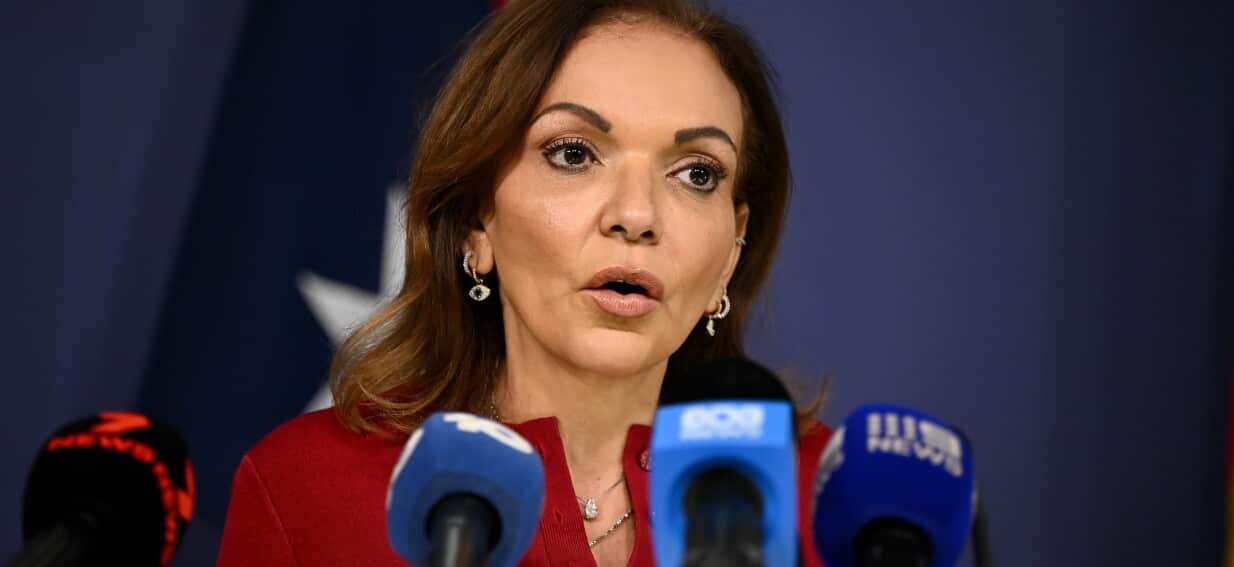
Despite the gravity of the embassy's intervention, the initial response from within Labor's senior ranks has been decidedly muted. SBS News Top Stories reported that a prominent member of Labor's front bench effectively 'shrugged' off the criticism, indicating that the party's platform would be determined by its delegates and members, not by external diplomatic pressure. This demonstrates a potential divergence between traditional foreign policy alignment and the evolving sentiments within the ALP.
This dismissive attitude suggests that Labor strategists may view the embassy's statement as an attempt to influence internal party processes, which they are keen to resist. The party is currently grappling with internal pressures from various factions, some of whom are advocating for a stronger, more independent foreign policy stance on the Middle East, reflecting a growing global chorus for a more even-handed approach to the Israeli-Palestinian issue.
The Conference Crossroads
As Labor delegates converge for their national conference, the Israeli Embassy's intervention has inadvertently amplified the debate surrounding the party's foreign policy agenda. The conference floor is now poised to be a battleground for competing views on Australia's role in the Middle East, with resolutions on Israel and Palestine expected to be intensely debated. The outcome of these discussions will not only shape Labor's future foreign policy but also send a clear signal about Australia's diplomatic trajectory.
The broader implications extend beyond merely party policy. Any significant shift in Australia’s position on the Israeli-Palestinian conflict could have ripple effects on its relationships with allies and partners globally. With the eyes of diplomatic observers now firmly fixed on the Labor conference, the coming days will be crucial in determining whether the party solidifies a new, more assertive stance or maintains a more cautious approach to one of the world's most enduring geopolitical challenges.