Traumatised residents across southern Israel are demanding a decisive break from the political status quo, as looming national elections increasingly shape as a referendum on Prime Minister Benjamin Netanyahu’s prolonged tenure.
Border communities demand a clean slate
More than a year after Hamas militants breached security barriers and devastated kibbutzim across the south, families who survived the massacres are grappling with the painful reality of rebuilding shattered lives. Many remain displaced from their homes near the Gaza border, languishing in temporary housing or hotels across the country, weary of enduring conflict and systemic security failures.
SBS News Top Stories reported that for numerous residents whose communities were directly overrun, the appetite for political renewal has rendered the prime minister almost incidental to their future aspirations. Rather than debating the merits of his coalition or the strategies of his rivals, survivors increasingly speak of a profound desire to bypass the existing political establishment altogether, seeking governance grounded in basic protection rather than ideological survival.
The ballot box as a leadership verdict
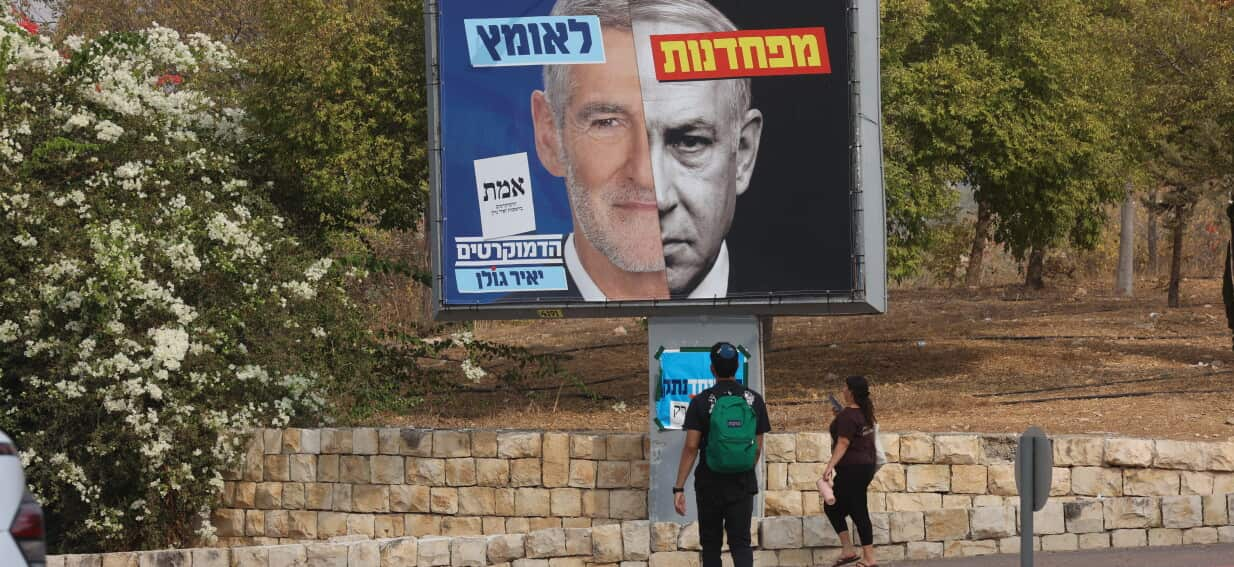
Despite the ambivalence of those exhausted by repeated trauma, political observers universally view any forthcoming election as an unavoidable public judgment on Mr Netanyahu. Having dominated Israeli politics for much of the past three decades, the veteran leader confronts historically low approval ratings alongside enduring public anger over the intelligence and operational lapses of 7 October.
Critics and opposition figures maintain that the prime minister's reliance on hard-right coalition partners has alienated middle-ground voters and hindered the safe return of remaining hostages. While Mr Netanyahu has repeatedly sought to frame his stewardship as indispensable to national defence, broad sections of the electorate appear convinced that national recovery cannot occur while he commands the Knesset.
A fractured electorate looks beyond familiar battlelines
The prospect of an early poll has catalysed deep shifts across the Israeli political spectrum. Traditional party allegiances have eroded, replaced by volatile voting intentions that could produce an intensely fractured parliament. Centrist figures and former defence officials are positioning themselves as stabilising alternatives, pitching national reconstruction over perpetual political confrontation.
Yet, for communities on the frontline of the conflict, the rhetoric emanating from Jerusalem carries little weight. Community leaders have voiced cynicism regarding partisan promises, arguing that neither the governing coalition nor the opposition has presented a coherent blueprint for long-term regional stability or the permanent resettlement of devastated border towns.
Diplomatic reverberations felt in Canberra
The shifting political currents inside Israel are being monitored closely by international partners, including Australia. Federal authorities in Canberra have repeatedly reiterated calls for sustainable ceasefire arrangements, regional de-escalation, and credible pathways toward a two-state solution—diplomatic objectives that have frequently clashed with the platform of Mr Netanyahu’s current administration.
Should an eventual election unseat the long-serving leader, analysts suggest it could open fresh channels for multilateral engagement and ease diplomatic frictions with Western capitals. However, with Israeli society fundamentally transformed by the trauma of the incursions, any incoming administration will face a public that prioritises domestic safety and institutional accountability above all else.