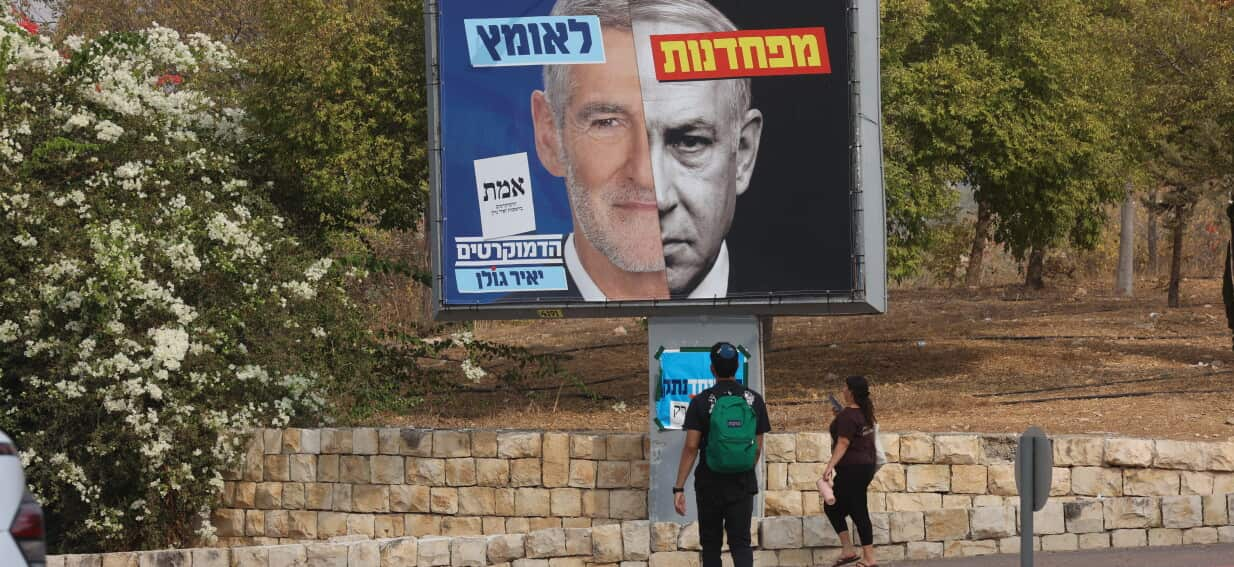
More than five centuries after its composition, Niccolò Machiavelli’s masterwork The Prince continues to offer an audaciously candid lens through which to decode modern political theatre and ruthless institutional power.
Written in 1513 following the collapse of the Florentine republic, the Renaissance treatise systematically dismantled the conventional moral pieties of European governance. As The Conversation AU reported in a recent reappraisal of the classic, the text’s enduring utility lies in its refusal to mistake the world as it ought to be for the world as it actually is.
Stripping the Moral Veneer from Statecraft
For generations of observers and parliamentarians alike, the adjective “Machiavellian” has carried connotations of sinister intrigue, duplicity, and unvarnished villainy. Yet scholars frequently point out that the Florentine diplomat was not inventing political cynicism; rather, he was audaciously honest about its necessity.
Before The Prince, Western political thought—anchored in Aristotelian ethics and Christian theology—insisted that a ruler’s authority was inextricably tied to private virtue. Machiavelli severed this link. He proposed that statecraft operates under its own distinct ethical grammar, where the survival of the commonwealth often requires actions that would be condemned in private life. Leaders who attempt to remain wholly virtuous among those who are not, he warned, inevitably engineer their own destruction.
The Mechanics of Modern Spectacle
While modern democracies operate under constitutional guardrails and universal franchise unfamiliar to Renaissance Italy, the fundamental dynamics of power remain strikingly recognisable. Contemporary election campaigns have increasingly evolved into calculated spectacles of media management, spin, and political stagecraft.
The Conversation AU noted that Machiavelli anticipated the dominance of perception over substance. In an environment dominated by 24-hour news cycles and digital algorithms, a leader’s capacity to project strength, decisiveness, and empathy often matters far more than genuine intent.
The treatise’s famous counsel—that it is safer to be feared than loved, provided one avoids hatred—resonates across party rooms where factional loyalty is rarely governed by affection. From sudden ministerial reshuffles to ruthless policy pivots, modern political operators routinely employ Machiavellian realism to preserve administrative authority.
Enduring Realism in an Age of Volatility
The Florentine thinker did not advocate gratuitous cruelty, a distinction often lost in popular culture. Unnecessary malice, in Machiavelli’s view, was a tactical failure that fostered instability and bred rebellion. Power, properly understood, had to serve order, state security, and civic endurance.
In an era defined by geopolitical friction, shifting alliances, and deep public cynicism towards institutional leadership, the demand for clear-eyed political diagnosis has rarely been sharper. The Prince endures not as an endorsement of tyranny, but as an indispensable analytical instrument. By stripping away ideological rhetoric, the work compels citizens to scrutinise how power is truly acquired, exercised, and lost.