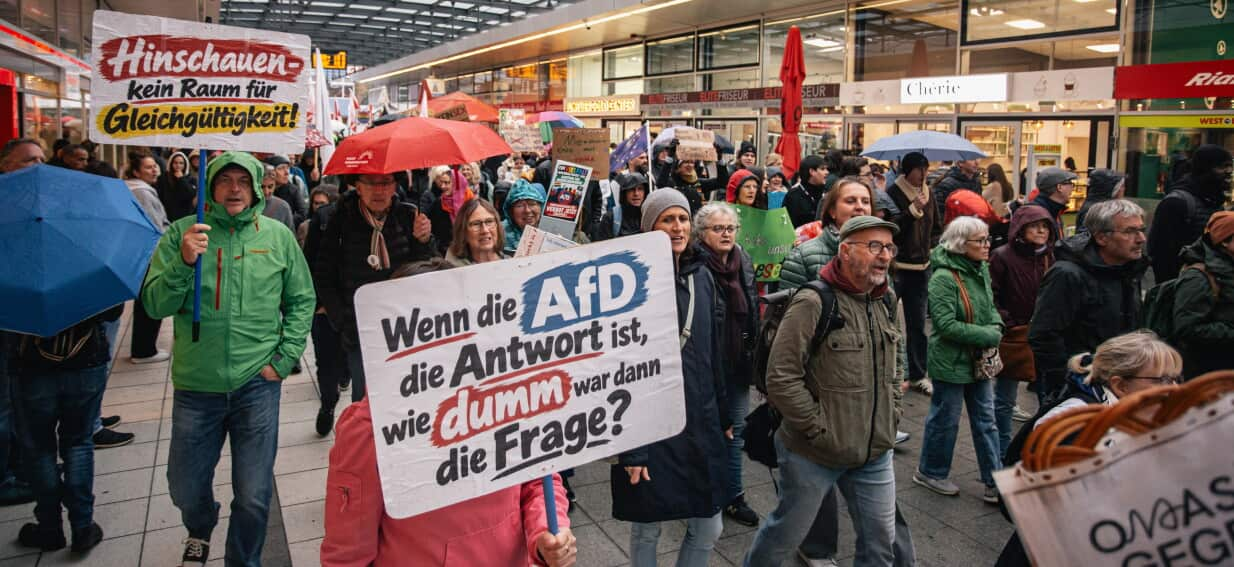
Governments across Europe are confronting a swell of co-ordinated civil unrest, as mounting economic pressure and contentious regulatory reforms drive millions of frustrated citizens onto the streets of major capitals.
From tractor blockades encircling European Union institutions in Brussels to rolling industrial action grinding transport networks to a halt across Germany and France, the continent is gripped by an intensifying cycle of dissent. SBS News Top Stories reported that the message echoing from Europe’s streets has become increasingly difficult for political leaders to ignore, highlighting an acute vulnerability at the heart of the Western democratic bloc.
Tractors choke motorways as agrarian anger boils over
Central to the continental backlash is the agriculture sector, where primary producers have staged sustained disruptions over European Union environmental directives and surging overheads. Across France, Belgium, Germany, and Poland, agricultural convoys have dumped manure outside government offices, choked vital freight arteries, and blockaded supermarket distribution hubs.
Primary producers argue that aggressive net-zero emissions targets, combined with planned reductions in agricultural diesel subsidies and strict pesticide restrictions, directly threaten their economic survival. Compounding their grievances are free-trade arrangements that expose domestic producers to cheaper agricultural imports unburdened by the same stringent environmental standards. The result is a profound rural-urban cleavage, with farming communities asserting that metropolitan policymakers are enforcing green transition policies at the direct expense of domestic food security.
Inflationary hangover drives widespread industrial action
Beyond the rural heartlands, urban centres are grappling with a resurgent labour movement pushed to the brink by persistent cost-of-living pressures. Despite modest drops in headline inflation rates, the cumulative toll of energy shocks and grocery price hikes has left household budgets severely depleted across the continent.
In major economies, public sector unions covering rail networks, healthcare, education, and aviation have staged synchronised walkouts demanding wage settlements that keep pace with real-terms erosion. Transport networks in Germany have suffered repeated paralysis due to rail and ground-crew strikes, while French authorities have faced recurring public demonstrations over austerity measures and retirement age adjustments. Analysts note that after years of real-wage stagnation, the patience of workers has worn thin, turning routine collective bargaining disputes into broader, anti-establishment resistance.
Polarised electorates squeeze centrist incumbents
The sprawling unrest is rapidly redrawing Europe’s political landscape, providing fertile ground for populist and nationalist movements ahead of crucial regional and European parliamentary ballots. Disenchanted voters are increasingly abandoning traditional centrist coalitions in favour of insurgent parties that promise economic protectionism, lower energy levies, and strict curbs on immigration.
Incumbent administrations now face a fraught balancing act: appease protesters by diluting signature environmental and fiscal commitments, or double down on statutory reforms and risk electoral wipeout. As domestic tensions deepen, the capacity of European governments to maintain continental cohesion on broader geopolitical priorities faces an unprecedented domestic stress test.