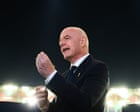
Zurich, Switzerland — Football’s powerful international governing body, FIFA, has executed a dramatic U-turn on its ambitious and highly contentious plan to offload significant stakes in its flagship competitions, including the highly lucrative World Cup. The proposal, spearheaded by FIFA President Gianni Infantino, envisioned selling commercial rights to a consortium for an staggering sum of up to $38 billion (approximately AUD $57 billion), but was met with a storm of opposition from key stakeholders across the footballing world.
Global Game Changer or Costly Own Goal?
Infantino's audacious scheme aimed to create new tournaments and expand existing ones, primarily through a revamped, 24-team Club World Cup and a global Nations League. The proposed investment, reportedly from a consortium of Japanese, Chinese, and Saudi Arabian investors, promised a significant financial windfall for FIFA, which the organisation argued would be reinvested into developing football globally. However, the lack of transparency surrounding the deal, coupled with fears of losing control over its most prized assets, ignited a fierce backlash from continental confederations like UEFA and CONMEBOL, as well as prominent European clubs.
BBC Sport reported that Infantino had been pushing the plan vigorously since his election, viewing it as a pathway to modernise and diversify FIFA’s revenue streams beyond the four-yearly World Cup cycle. He maintained that the investment was vital for the sport's future, promising substantial financial distributions to national associations. However, critics argued that the proposal was rushed, lacked proper consultation, and risked ceding too much power and commercial influence to external entities.
Unprecedented Coalition Against FIFA's Vision
The opposition to the investment plan coalesced into a formidable alliance, uniting traditionally disparate factions within global football. UEFA, European football's powerful governing body, was particularly vocal, expressing profound concerns about the impact on the existing international match calendar and the commercial integrity of its own competitions, such as the Champions League. Other confederations echoed these sentiments, wary of a centralised power grab and potential dilution of their own commercial interests.
Prominent European clubs, who provide the majority of players for the World Cup, also voiced strong disapproval, highlighting the potential for increased player workload and fixture congestion. The consensus among the dissenters was clear: FIFA was attempting to push through a monumental change without adequate consultation, risking long-term damage to the sport's delicate ecosystem. This collective resistance ultimately proved too strong for Infantino to overcome.
Back to the Drawing Board for Future Funding
The decision to abandon the proposal marks a significant setback for President Infantino and highlights the intricate political landscape of global football. While FIFA's desire to explore new revenue streams and tournament formats remains, the manner in which this particular plan was pursued has clearly alienated key partners. The BBC Sport report indicated that the widespread opposition made it politically untenable for FIFA to proceed, forcing them to concede defeat.
Moving forward, FIFA will likely need to adopt a more collaborative and transparent approach to any future investment or tournament restructuring initiatives. The episode serves as a powerful reminder that while FIFA holds significant power, it cannot unilaterally dictate the direction of the sport without the buy-in of its major constituents. The immediate consequence is that FIFA will now have to re-evaluate its strategy for generating additional funds and modernising its competitions, likely with a much greater emphasis on consensus-building and broader stakeholder engagement.