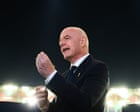
FIFA President Gianni Infantino has sensationally backflipped on his controversial proposal to sell off stakes in football's showpiece event, the World Cup, following a furious global backlash that threatened to tear the sport apart.
The audacious plan, which would have seen chunks of the tournament's commercial rights hived off to private investors, was abandoned by Infantino, who conceded the project had “created divisions of a nature that are no longer of the interest of the objective.” The decision marks a significant victory for football confederations and governing bodies worldwide who had united against the privatisation push.
Unprecedented Resistance Unites Football Factions
Infantino’s proposal had ignited a firestorm of protest across the international football community. European governing body UEFA had spearheaded the opposition, going as far as to threaten a boycott of future FIFA tournaments if the plan proceeded. This unprecedented show of defiance from one of football's most powerful confederations sent a clear message to FIFA headquarters.
Other confederations, including those from Asia, Africa, and the Americas, also voiced their strong disapproval, painting a picture of widespread dissent against Infantino’s vision. The sheer scale and intensity of the opposition seemingly caught FIFA by surprise, forcing a dramatic re-evaluation of the strategy.
Internal Uproar and High-Profile Departures
The controversy was not confined to external bodies; it also caused significant internal turmoil within FIFA itself. Guardian Australia Sport reported that one of Infantino’s senior advisors, Carlos Cordeiro, resigned in protest just days before the plan was shelved. This high-profile departure underscored the depth of feeling against the proposal even within Infantino's inner circle.
Further compounding the internal dissent, FIFA chief operating officer Kevin Lamour reportedly delivered a scathing rebuke to Infantino, accusing him of a “serious lack of respect” for attempting to push through such a monumental change with minimal consultation. Such public criticism from senior executives is rare within the often-tight-lipped corridors of FIFA, highlighting the severity of the crisis.
The Financial Stakes and Future Implications
While the exact financial details of the proposed sell-off were never fully disclosed, it was widely understood to involve billions of Australian dollars, representing a significant shift in how the World Cup's vast commercial revenues would be managed. Critics argued that privatising parts of the tournament could undermine the integrity of the sport and shift control away from the federations that govern it.
For Australian football, the potential implications of such a change would have been far-reaching, impacting broadcast deals, sponsorship opportunities, and potentially even the distribution of development funds. The decision to scrap the plan will likely be met with relief by Football Australia and other national federations who rely on a stable and transparent global football governance structure.
A Victory for Consultative Governance
Infantino's retreat from the proposal is being seen by many as a victory for consultative governance and a blow to more autocratic leadership styles within international sports organisations. The widespread anger and the threat of a boycott ultimately proved too powerful to overcome, forcing FIFA to listen to the collective voice of its member associations.
Moving forward, the episode serves as a stark reminder of the delicate balance of power within global football and the importance of consensus-building when enacting significant policy changes. While the immediate crisis has been averted, the divisions exposed by this controversy may take time to heal, and the incident will undoubtedly shape future discussions about FIFA's governance and its relationship with member confederations.