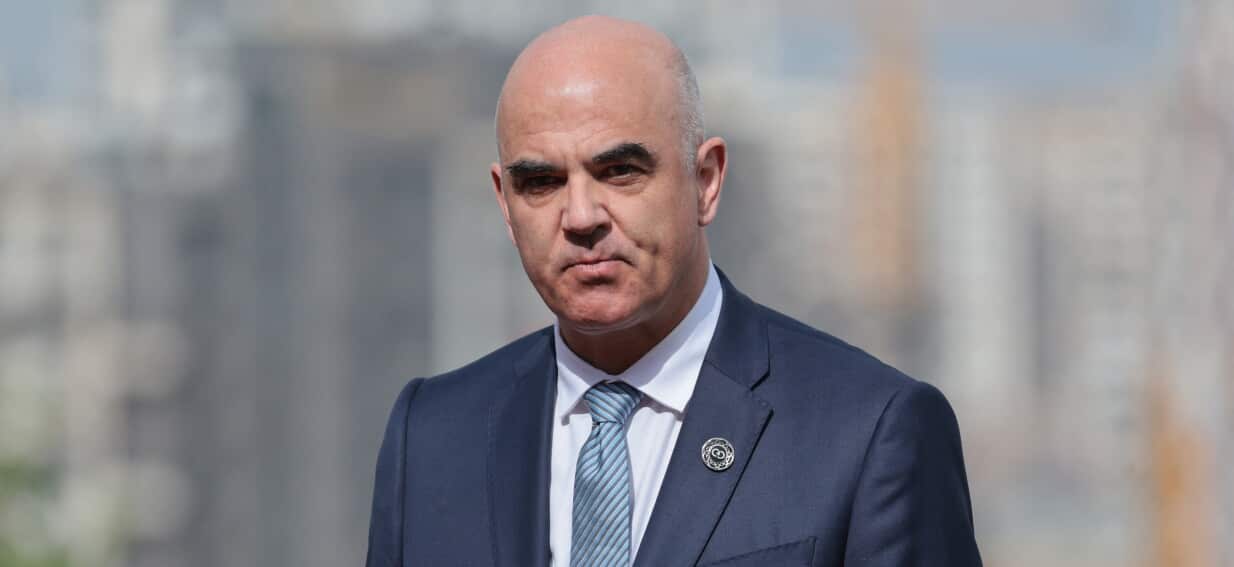
STRASBOURG, FRANCE – The Council of Europe, Europe's foremost human rights organisation, has cast a long shadow over the upcoming 2026 FIFA World Cup, with its secretary general, Alain Berset, publicly stating that the tournament has “raised question after question.” The damning assessment comes as FIFA faces mounting pressure to address a range of ethical and human rights concerns associated with its flagship event.
Berset's remarks, initially reported by SBS News Top Stories, underscore a growing international unease regarding the integrity and social responsibility surrounding the global football spectacle. While the 2026 tournament is set to be co-hosted by the United States, Canada, and Mexico, the Council of Europe's critique appears to be a broader indictment of FIFA's governance and its approach to human rights across its operations.
Unanswered Questions Haunt World Cup
The “question after question” refrain from the Council of Europe points to a persistent lack of transparency and accountability within FIFA. Human rights groups and labour organisations have consistently scrutinised the conditions of migrant workers involved in infrastructure projects for past World Cups, particularly in Qatar. While the hosts for 2026 are established democracies with generally robust labour laws, the Council's concerns suggest that FIFA's overarching policies and due diligence processes remain insufficient.
Sources close to international human rights dialogues indicate that the Council of Europe is pushing for legally binding commitments from FIFA to ensure fair labour practices, worker safety, and the protection of civil liberties in all host nations, irrespective of their domestic regulations. The organisation is also advocating for robust independent oversight mechanisms to monitor compliance, with punitive measures for any breaches.
Broadening the Ethical Scope
The Council of Europe's intervention goes beyond typical labour rights discussions, probing deeper into ethical dimensions such as fan safety, non-discrimination, and the environmental impact of such a colossal event. There are calls for FIFA to implement comprehensive human rights impact assessments long before host nations are officially selected, rather than reacting to issues post-hoc.
Furthermore, the ethical sourcing of goods and services used in connection with the tournament is also under the microscope. Critics argue that FIFA's supply chain transparency needs significant improvement to prevent any association with exploitative labour or environmentally damaging practices. The Council of Europe's stance suggests a desire for FIFA to evolve into a truly responsible global entity, not just a sporting body.
Financial Flows and Integrity
Another significant area of concern revolves around financial flows and the allocation of the billions of Australian dollars generated by the World Cup. Past allegations of corruption and bribery within FIFA have severely damaged its reputation, and while reforms have been implemented, scepticism remains. The Council of Europe's emphasis on “integrity” signals a demand for greater financial transparency and robust anti-corruption measures.
This includes scrutiny of how broadcasting rights, sponsorship deals, and ticketing revenues are managed and distributed. There is an expectation that a larger proportion of profits should be reinvested into grassroots football development and sustainable community projects, particularly in developing nations, rather than being concentrated at the top. The Council's push could lead to increased pressure on FIFA to disclose more detailed financial statements and subject itself to independent audits.
A Call for Sustained Oversight
Alain Berset's unequivocal statement serves as a potent reminder that the world is watching. The Council of Europe is not merely issuing a one-off warning but is advocating for a sustained and strong mechanism to ensure FIFA upholds its ethical obligations. This could involve regular reporting, independent audits, and potentially even sanctions or public censures if FIFA fails to meet expected standards.
For Australian football fans and stakeholders, the Council of Europe's intervention highlights the broader ethical landscape in which global sporting events are now scrutinised. As the 2026 World Cup approaches, FIFA faces an imperative to demonstrate a genuine commitment to human rights and good governance, proving it can host the world's most beloved sport without compromising on the values it claims to uphold.