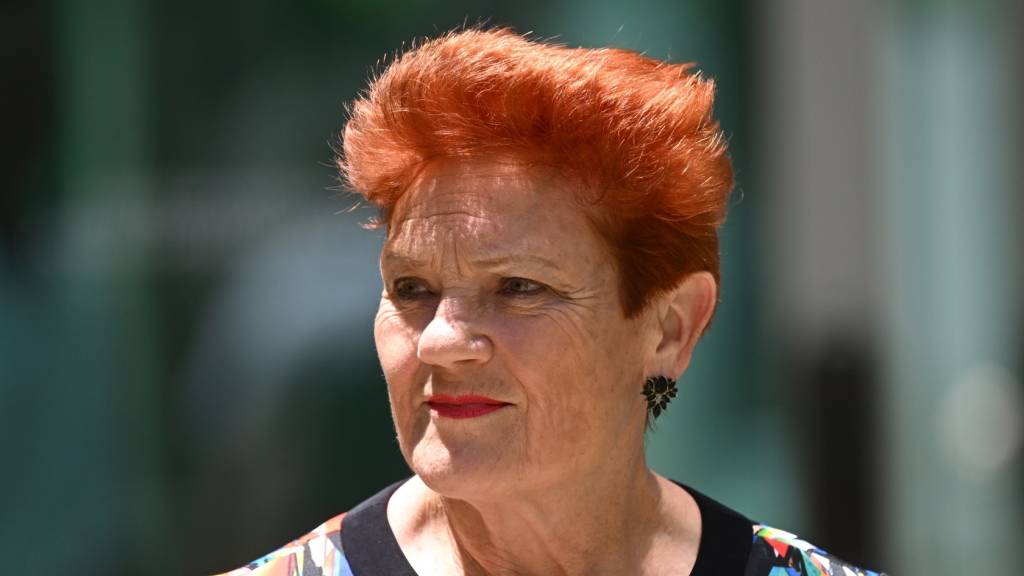
The Seven Network's 'Spotlight' program last night cast a critical eye over federal One Nation leader Pauline Hanson, delving into the inner workings and controversies surrounding her long-standing political career. However, the anticipated ripple effects of the investigative expose appear to have been swiftly absorbed by a surging news cycle, dominated by new opinion polling and the imminent National Conference of the Australian Labor Party in Adelaide.
One Nation Under the Lens
The 'Spotlight' special, which aired nationally, explored various aspects of Senator Hanson's political journey, from her initial rise to prominence to the ongoing complexities of leading One Nation. While specific details of the program's content have been widely discussed in political circles, Crikey reported that the broadcast aimed to provide a comprehensive, and at times critical, examination of the party's influence and internal dynamics. The documentary-style presentation is understood to have revisited key moments and controversies, prompting renewed discussion among political observers about One Nation's enduring, albeit fluctuating, presence in Australian politics.
For One Nation, such high-profile media scrutiny often presents a double-edged sword: increasing visibility while simultaneously opening avenues for critical analysis. The party has consistently maintained a core support base, particularly in regional areas, and the 'Spotlight' program likely aimed to understand the factors contributing to its longevity despite regular media challenges and internal upheavals.
Polling Shifts and Labor's Agenda
Barely had the credits rolled on the Hanson special when attention pivoted sharply to a series of new opinion polls, reflecting significant shifts in voter sentiment across the country. These polls, widely reported across various media outlets, indicate a dynamic federal political landscape as the Albanese Government approaches the mid-point of its term. While specific figures vary between different polling organisations, the general trend suggests a hardening of voter intentions and a continued focus on cost-of-living pressures, which remain a dominant concern for many Australian households.
Adding to the political ferment is the approaching Labor National Conference in Adelaide. The three-day event, a cornerstone of the party's calendar, is set to bring together delegates from across the nation to debate policy, elect party officials, and set the strategic direction for the coming years. Crikey noted the simultaneous timing of these events, highlighting how the gravity of Labor's internal deliberations and the broader public sentiment expressed in new polls have effectively drawn the political gaze away from discussions solely centred on One Nation.
Adelaide: A Policy Crucible
Labor's National Conference is more than just a gathering; it's a critical forum for policy development and internal party consensus. Key debates are anticipated around economic policy, climate change initiatives, and social reforms – all areas where the government is keen to demonstrate progress and articulate its vision for the future. The conference provides an opportunity for the party to present a united front, showcase its leadership, and re-energise its base ahead of the next federal election cycle.
While the 'Spotlight' program on Pauline Hanson offered a momentary diversion, the broader political narrative is now firmly anchored in the ongoing performance of the government, the evolving national mood captured by polls, and the policy trajectory that will be forged in Adelaide. The confluence of these events underscores the fast-paced and ever-shifting nature of Australian federal politics, where even a major television expose can quickly be eclipsed by the next wave of developments.