While Australian students fret over ATARs and schoolies plans, an 18-year-old in Gaza, Dana Shabat, is undertaking her final high school exams from a makeshift online classroom, a poignant defiance in the face of what Al Jazeera has described as Israel’s “genocidal war” that has obliterated much of the region’s educational infrastructure.
Her story, highlighted by Al Jazeera, offers a chilling glimpse into the catastrophic impact of conflict on civilian life, particularly the youth. With traditional schools reduced to rubble and daily life a struggle for survival, Shabat’s determination to pursue her education is a powerful testament to the human spirit's resilience.
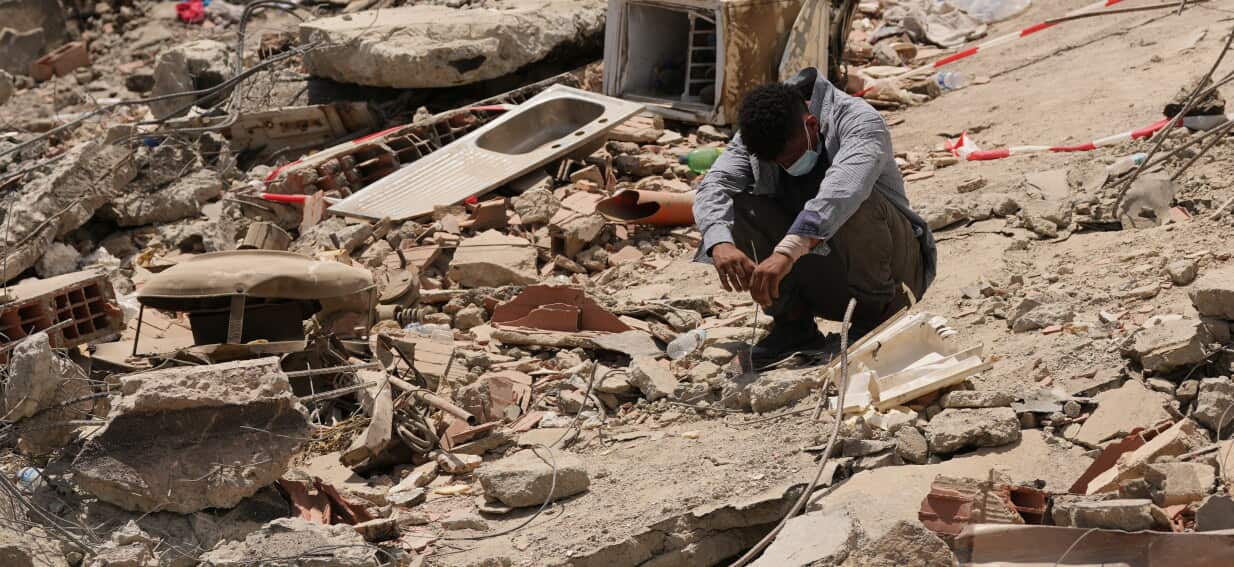
The Rubble of Education
The scale of destruction in Gaza is almost unfathomable. According to Al Jazeera, the ongoing conflict has decimated the educational landscape, leaving countless students without classrooms, teachers, or even the most basic learning materials. For many, the idea of sitting final exams is a distant, almost luxurious, concern when the immediate priority is finding safety, food, and water. Yet, for Shabat and a handful of her peers, the pursuit of knowledge remains a beacon in the darkness.
The logistical challenges of holding online exams in a war zone are immense. Consistent electricity is a luxury, internet access is sporadic at best, and the constant threat of shelling casts a long shadow over every study session. Imagine trying to focus on trigonometry while listening for the unnerving whistle of incoming ordinances, or grappling with literary analysis during a power outage. Such is the reality Shabat navigates daily, her textbook knowledge intertwined with the brutal lessons of survival.
A Desperate Digital Classroom
The transition to online learning for Gaza’s students is less about embracing modern pedagogy and more about a desperate scramble for continuity. With school buildings rendered unusable, educators and aid organisations have attempted to establish digital alternatives. This often involves students like Shabat accessing lessons and exams via mobile phones, if they’re fortunate enough to still possess one and have a reliable signal.
Al Jazeera’s report underscores the resourcefulness required to maintain even a semblance of structured learning. Teachers are often displaced themselves, attempting to coordinate and deliver content under conditions that would be unimaginable in a stable environment. The online platform becomes a lifeline, a fragile bridge connecting students to a future that war relentlessly tries to deny them.
More Than Just an Exam
For Dana Shabat, these final exams are far more than a mere academic hurdle. They represent a fierce assertion of her right to a future, a powerful rejection of the conflict's attempt to define her life solely by destruction. Each answer she writes, each problem she solves, is a small act of defiance against the overwhelming odds stacked against her.
Her ambition, like that of countless young people around the world, is to pursue higher education and build a meaningful career. In a region where opportunities are scarce even in peacetime, the completion of high school is an essential stepping stone. Shabat’s struggle reflects the broader aspirations of Gaza’s youth, who yearn for stability and the chance to contribute to a rebuilding effort that seems increasingly distant. Her story serves as a stark reminder to Australians enjoying peace and prosperity of the profound impact conflict has on the most fundamental aspects of human development, particularly the dreams and education of its youngest citizens.