
A radical new initiative for the disarmament of Hamas, if successful, could finally dismantle the most formidable barrier to progress in the beleaguered Gaza Strip, offering a tangible pathway for the Trump-backed Middle East peace plan to move forward. The proposal, detailed by BBC World, represents a potential turning point in a conflict that has defied resolution for decades, holding significant implications for regional stability.
The audacious plan, currently in its nascent stages, centres on a verifiable cessation of hostilities and the dismantling of Hamas's military capabilities. While specifics remain fluid and subject to intense, sensitive negotiations, the very notion of such a plan gaining traction signals a notable shift in the intractable political landscape surrounding Gaza.
The Trump Plan's Persistent Obstacle
For years, the substantial military infrastructure and political power wielded by Hamas have been cited as the primary impediments to any comprehensive peace settlement in the region. The Trump administration's much-touted peace initiative, while outlining a broader framework for Israeli-Palestinian co-existence, has consistently stumbled over the issue of Gaza's governance and the threat posed by armed militant groups within the territory. This new disarmament proposal directly addresses that core concern, offering a potential mechanism to neutralise the perceived security threat from Hamas and, in doing so, unlock stalled diplomatic avenues. Should the disarmament prove credible and robust, it could reset the parameters for future negotiations, allowing for discussions to focus on statehood, borders, and economic development rather than perpetual conflict management.
International Scrutiny and Conditional Support
International reaction to the embryonic plan has been cautiously optimistic. Diplomatic circles in Canberra, Washington, and Brussels are closely monitoring developments, understanding that genuine disarmament by Hamas would represent a seismic shift in regional power dynamics. However, skepticism remains high, given the historical distrust and the numerous failed attempts at achieving lasting peace. Any disarmament agreement would necessitate stringent international oversight and verification mechanisms to reassure all parties, particularly Israel. Furthermore, the international community would likely demand assurances of humanitarian aid access and a commitment to rebuilding Gaza's devastated infrastructure as part of any broader deal.
Internal Divisions and Hamas's Calculus
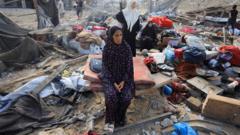
The internal workings and motivations behind Hamas’s potential consideration of such a plan are complex. Divisions within the organisation, coupled with the immense pressure from the suffering civilian population in Gaza, could be compelling factors. The ongoing blockade, economic strangulation, and repeated military escalations have taken a devastating toll on ordinary Gazans, leading to a humanitarian crisis that has garnered global condemnation. While Hamas officially remains committed to resistance, the prospect of alleviating the suffering of their constituents – potentially in exchange for political concessions or international recognition – might be weighing on leadership. The financial implications for Gaza, and potentially for Hamas itself, under a peace agreement are immense, with billions of US dollars in aid and investment potentially flowing into the region, revitalising an economy on the brink of collapse.
A Long Road Ahead
Even if the disarmament plan gains traction, the path to a lasting peace remains fraught with challenges. The history of conflict in the region is riddled with broken agreements and missed opportunities. However, as BBC World reported, the sheer existence of a credible disarmament proposal marks a significant departure from previous deadlock. For the first time in years, there is a tangible, albeit precarious, thread offering a potential way out of the Gaza quagmire. The coming months will be critical in determining whether this glimmer of hope can be nurtured into a sustainable peace, or if it too will fade into the long, tragic history of the Israeli-Palestinian conflict.