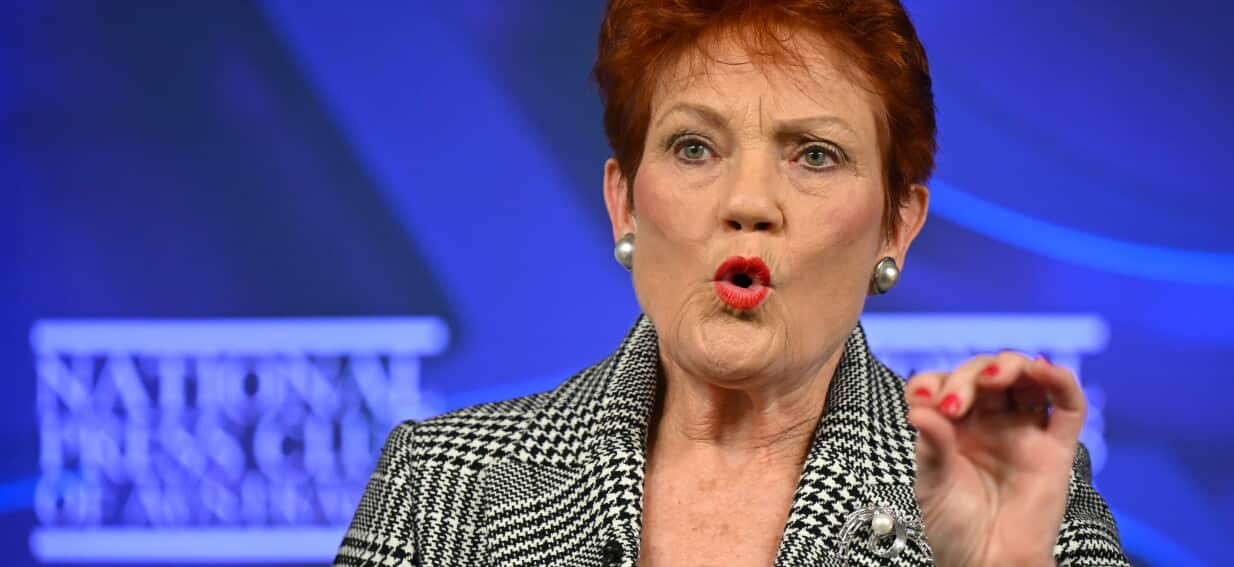
Pauline Hanson has doubled down on her controversial comments about domestic violence, steadfastly refusing to retract her statements despite a groundswell of condemnation from experts, victim advocates, and political opponents. The One Nation leader insists she has been taken “out of context” by the media, deflecting blame onto news organisations for how her remarks have been reported.
The saga began when Hanson made comments that appeared to link domestic violence with an increase in “welfare housing” and multiculturalism, prompting immediate and widespread backlash. Her subsequent defence, reported by SBS News Top Stories, saw her accuse media outlets of sensationalism, a strategy frequently employed by the veteran politician when facing public scrutiny.
Expert Criticism Intensifies
Experts in the field of domestic violence have been quick to challenge Hanson's assertions, highlighting the well-documented complexities of the issue and rejecting any simplistic causal links. Social researchers and frontline support workers emphasise that domestic violence is a pervasive problem across all socio-economic strata, cultural backgrounds, and geographic locations within Australia. They argue that narratives attempting to narrow its scope or attribute it to specific demographics risk trivialising the issue and hindering effective prevention strategies.
One a leading academic in gender studies, speaking on condition of anonymity, expressed deep concern over the potential for Hanson's comments to undermine years of work aimed at destigmatising domestic violence and encouraging victims to seek help. “Statements like these, from prominent public figures, can set back progress significantly,” the academic stated. “They can reinforce harmful stereotypes and make it harder for victims, particularly those already marginalised, to come forward without fear of judgment or mischaracterisation.”
Political Ramifications and Public Discourse
The controversy has inevitably spilled into the political arena, with opposition parties and elements within the government condemning Hanson's stance. Critics point to the importance of evidence-based policy and responsible public discourse when discussing such a sensitive and critical issue. The debate has also reignited discussions about the responsibilities of political leaders to ensure their public statements are informed and do not inadvertently harm vulnerable communities.
While One Nation's base often responds positively to Hanson's anti-establishment rhetoric, the current controversy risks alienating a broader segment of the electorate who are increasingly aware of and concerned by the devastating impact of domestic violence. The ongoing public conversation prompted by her remarks underscores a broader societal struggle to effectively address and prevent a crisis that affects hundreds of thousands of Australians each year, costing the economy billions of AUD.
The “Out of Context” Defence
Hanson’s consistent defence – that her comments were taken “out of context” – is a familiar refrain from the One Nation leader. She has historically used this argument to counter criticism on various issues, from immigration to indigenous affairs. However, her detractors argue that in the context of domestic violence, such a defence is insufficient. They contend that irrespective of the original intent, the impact of her words is to potentially misinform the public and perpetuate harmful misconceptions about the causes and prevalence of domestic abuse. Victim advocates have called for greater accountability from public figures, urging them to consider the real-world consequences of their statements on the lives of those directly affected by violence.