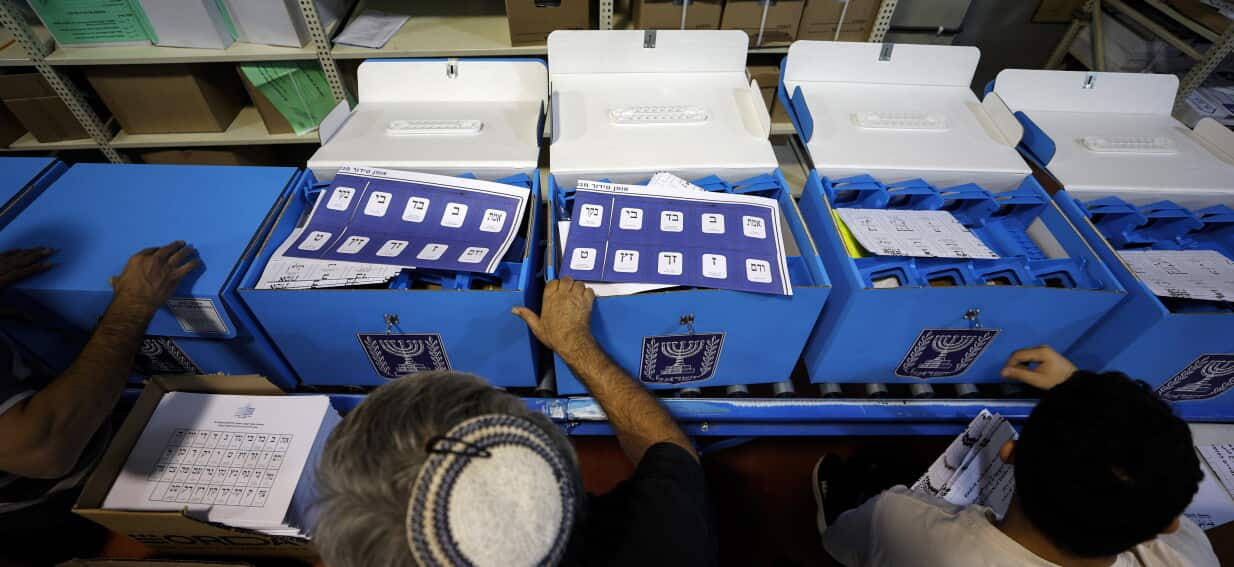
Israelis have flocked to polling booths in record numbers, propelling voter turnout to a 50-year high as the fractured nation attempts to break a protracted cycle of political paralysis.
By mid-afternoon, almost 45 per cent of registered electors had cast their ballots, Al Jazeera reported, setting a pace unseen in Israeli general elections for five decades. The surge caught seasoned pollsters off guard, signalling that an electorate repeatedly asked to decide the country's trajectory remains deeply invested in the outcome despite pervasive campaign fatigue.
Electorate mobilises across polarised lines
Electoral officials reported steady queues from Jerusalem and Tel Aviv to peripheral communities in the north and south. With public debate fiercely divided over judicial independence, economic pressure, and national security, competing political blocs have framed the contest as an existential turning point.
Mobilisation efforts proved particularly vigorous in traditionally lower-turnout constituencies, including Arab-majority municipalities and regional working-class townships. Strategists on all sides spent the daylight hours deploying volunteers and urgent digital broadcasts, conscious that fractional shifts in turnout could reshape the electoral landscape.
Stiff contest for the 120-seat Knesset
Under Israel’s nationwide proportional representation system, voters cast ballots for party slates rather than individual local candidates, with parties required to clear a 3.25 per cent threshold to enter the 120-seat Knesset. Because no single movement has ever secured an outright parliamentary majority, the premiership will ultimately hinge on the ability to assemble an unwieldy multi-party coalition.
The persistent cycle of elections in recent years has imposed heavy financial costs, with administrative expenditure and lost productivity tallying well into hundreds of millions of Australian dollars. The governance vacuum has also stalled budgetary measures and delayed long-term infrastructure investment, compounding the frustration of voters determined to deliver a definitive verdict.
Regional security and Canberra's watch
The outcome carries weighty ramifications for regional stability, diplomatic normalisation initiatives, and ties with Western allies. Canberra will be monitoring developments closely, with the Department of Foreign Affairs and Trade observing whether the resulting government shifts policy on regional security or the long-stalled Middle East peace framework.
Australia maintains substantial diplomatic and bilateral commercial ties with Israel, alongside extensive community links. Decisions taken by the incoming executive in Jerusalem will bear directly on multilateral engagements and joint policy positions in international forums.
Protracted coalition bargaining looms
Polling booths are scheduled to close late in the evening, triggering the immediate release of television exit polls. However, with turnout running at historic levels, analysts warn that initial statistical projections could carry larger margins of error than usual.
Official results, including ballots cast by military personnel, diplomats, and hospital patients, will take several days to tally. Even after the figures are certified, the process of forming a governing majority is expected to involve weeks of protracted negotiations before any prospective prime minister can formally present a government to the Knesset.