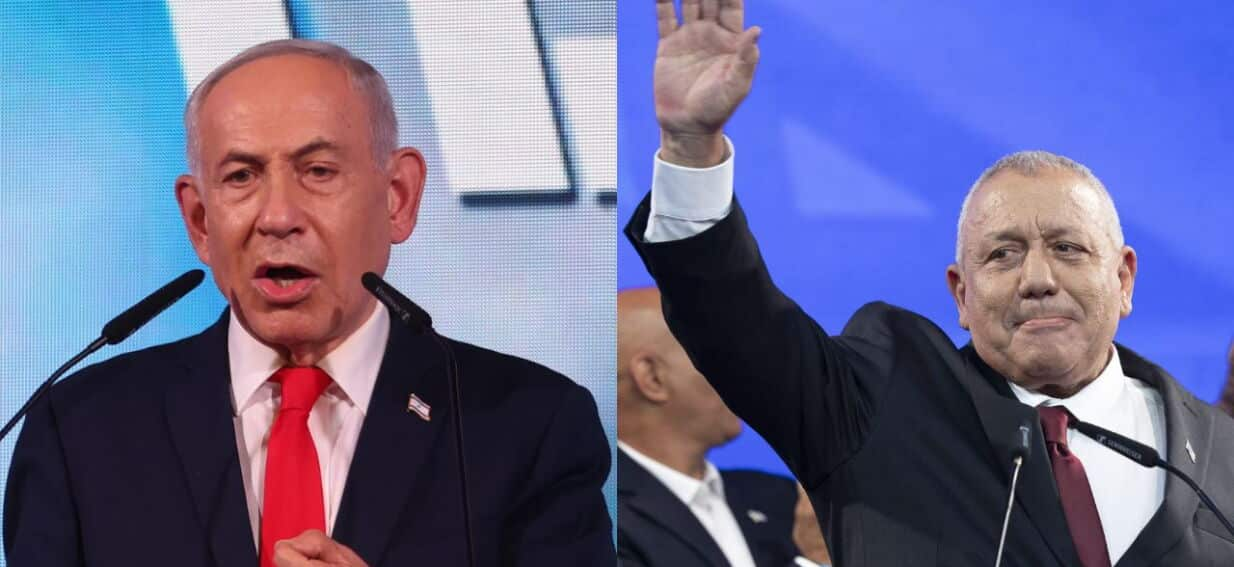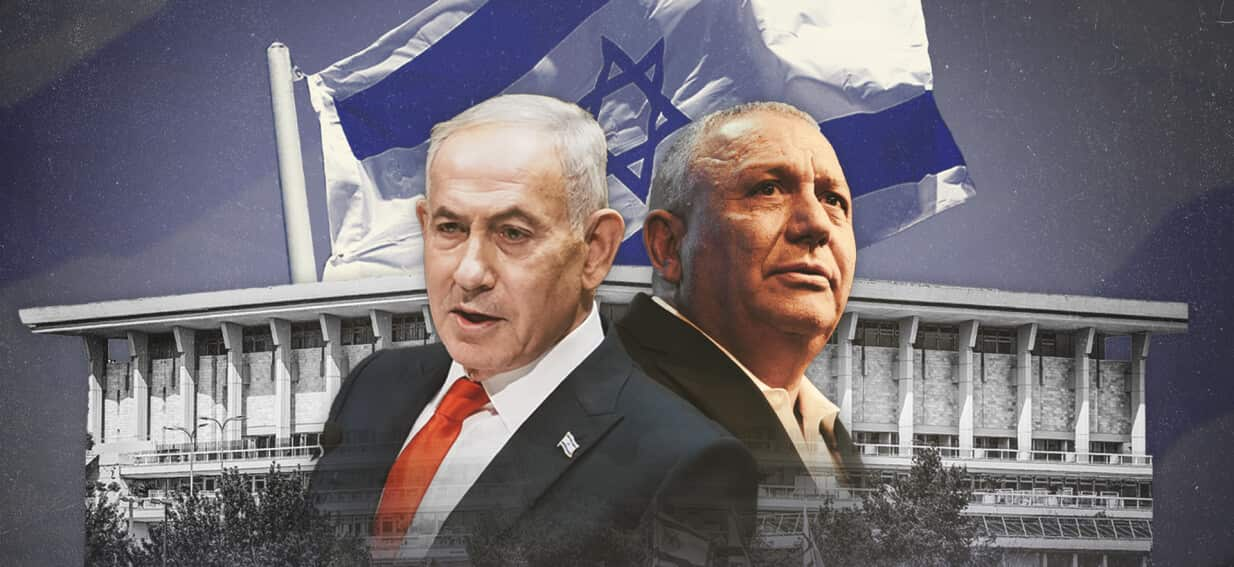
Benjamin Netanyahu faces an uphill battle to reclaim Israel’s premiership after preliminary exit polls pointed to a razor-thin contest, plunging the nation into yet another round of protracted coalition warfare.
Initial voter surveys released shortly after polling booths closed indicated that the veteran leader's right-wing bloc may fall just short of a parliamentary majority. SBS News Top Stories reported that exit polls suggest Mr Netanyahu’s conservative-led alliance trails its political rivals, setting the stage for an intense period of political jockeying rather than a decisive outcome.
Yet with official results still being tallied across the country, seasoned observers have cautioned against drawing premature conclusions, emphasising that in the volatile arena of Israeli political life, "anything can happen".
Fractured mandate in the Knesset
Israel’s proportional representation system requires a bloc to secure at least 61 seats in the 120-member Knesset to form a functioning government. Early projections, notorious for shifting as real ballots are counted overnight, suggest neither Mr Netanyahu’s traditional conservative allies nor the disparate anti-Netanyahu coalition currently hold a clean, uncontested path to power.
The deadlock reflects an electorate that remains deeply polarised over the return of its longest-serving prime minister. Mr Netanyahu’s campaign relied heavily on consolidating the support of religious-Zionist factions and ultra-Orthodox parties, while his opponents sought to rally centrist, secular, and Arab voters to deny him a working majority.
The mathematics of a razor-thin race
Because the threshold for entering the Knesset sits at 3.25 per cent of the national vote, the political destiny of the country could ultimately hinge on smaller fringe parties. Any minor faction failing to clear that hurdle would see its ballots discarded, drastically skewing the seat distribution in favour of the surviving blocs.
SBS News Top Stories reported that while initial indicators favoured the incumbent opposition to Mr Netanyahu, the final tally of postal votes, military ballots, and rural precincts could alter the delicate parliamentary balance by two or three crucial seats—enough to flip the mandate.
Weeks of intense backroom bargaining
Should the stalemate persist once all votes are verified by the Central Elections Committee, President Isaac Herzog will be tasked with consulting party leaders before choosing a candidate to form a government. That candidate will be granted an initial window of four weeks to negotiate a stable governing coalition.
Such talks routinely involve bitter concessions regarding cabinet portfolios, judicial reforms, and religious legislation. If neither side can cobble together the requisite 61 seats, Israelis could face the deeply unpopular prospect of yet another snap election, adding to years of domestic political paralysis.
Canberra monitors regional stability
From Canberra, the Department of Foreign Affairs and Trade will be watching the deadlock with close interest. Australia maintains critical security dialogue and bilateral economic ties with Israel, underpinned by two-way goods and services trade worth more than $1.5 billion AUD annually.
Australian diplomats are mindful that the inclusion of hardline ultranationalist partners in any prospective Israeli cabinet could complicate Western diplomatic engagement across the Middle East. For now, however, both Tel Aviv and Jerusalem remain in suspended animation, waiting to see whether backroom negotiation can break a seemingly intractable political divide.