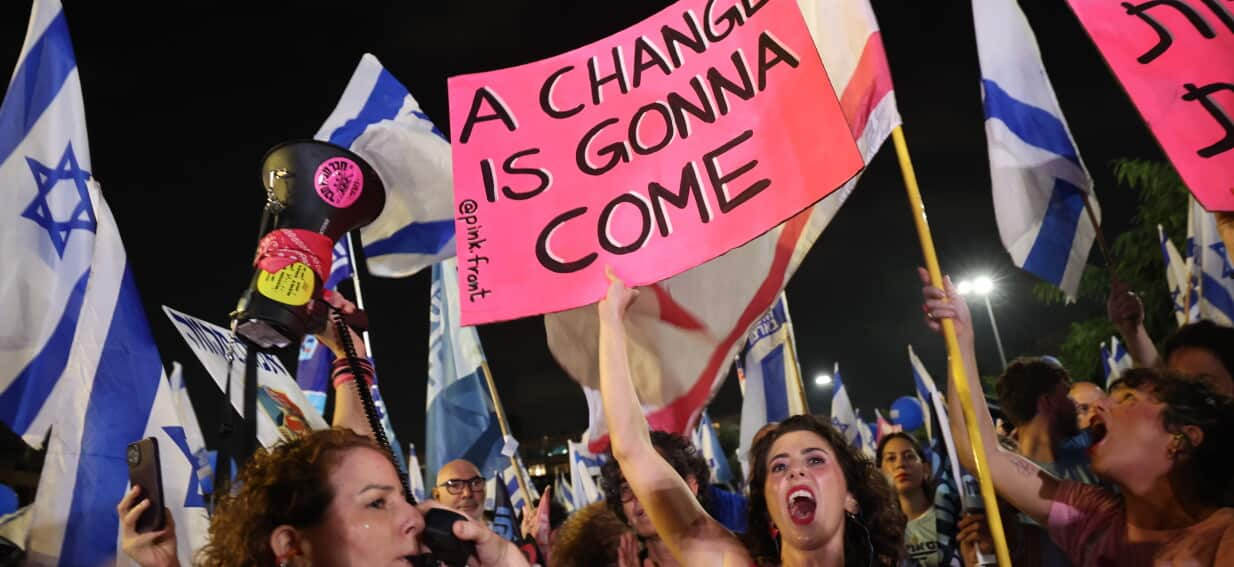
Israelis are preparing to cast their ballots in a profoundly consequential national election, with the deeply polarised electorate balanced on a knife-edge following years of conflict and unprecedented domestic political upheaval.
The seismic vote comes after a period of intense trauma and protracted military engagement that has fundamentally rewritten the rules of Israeli governance, SBS News Top Stories reported. With the country still reeling from the devastating cross-border incursions of October 7 and the sweeping regional conflict that ensued, traditional political alignments have buckled, leaving rival blocs locked in a dead heat.
The Enduring Shadow of October 7
The memory and ongoing repercussions of the October 7 attacks loom over every aspect of the campaign trail. The breach of national borders shattered long-held assumptions regarding state deterrence, leaving public confidence in conventional institutional leadership severely depleted.
Where previous elections often pivoted on domestic economic reform or longstanding religious-secular divides, this contest is singularly defined by the existential questions of security, hostage recovery and state survival. Commentators observe that the collective trauma has hardened public sentiment across the ideological spectrum, yet has failed to produce a unified vision for long-term regional stability.
Coalitions Fractured by Conflict
Governance in the Knesset has grown increasingly precarious, characterised by fragile alliances and fierce ideological friction. The strain of managing a prolonged multi-front campaign while fielding bitter domestic dissent over military strategy and democratic oversight has fractured established voting blocs.
SBS News Top Stories reported that years of persistent political volatility—marked by rapid cycles of inconclusive polls—have culminated in an election where the margin of victory could rest on a handful of parliamentary seats. The delicate balance between hardline nationalist factions, centrist pragmatists and an eroded left wing suggests that even if a nominal winner emerges, the arithmetic required to cobble together a workable majority coalition will be extraordinarily fraught.
Security Concerns Dominate the Ballot Box
Voters heading to the polling booths are confronting stark choices regarding the future administration of Gaza, the containment of northern border hostilities and the preservation of democratic norms. Decades-old diplomatic frameworks have largely been superseded by immediate tactical imperatives, leaving little room for compromise on the campaign trail.
Economic strains are also beginning to bite. The immense cost of sustained military mobilisation—totalling tens of billions of dollars, translating to tens of billions in Australian dollar terms—has placed immense pressure on treasury coffers, industry and social services. For an electorate drained by repeated calls to reserve duty and household uncertainty, the ballot represents both a reckoning on wartime management and a referendum on national recovery.
Global Repercussions from Jerusalem to Canberra
The outcome will reverberate far beyond the borders of the eastern Mediterranean. Traditional Western allies, including Australia, are watching proceedings with close attention, acutely aware of how a shift in Jerusalem's political axis could affect broader Middle Eastern diplomacy, shipping corridors and humanitarian commitments.
With voting day fast approaching and opinion surveys pointing to an intractable split, the nation faces an uncertain path. Whether this seismic poll delivers a stable mandate or plunges the country into further political paralysis remains the vital question hanging over an anxious electorate.