Australian police forces are dramatically expanding their deployment of aerial surveillance drones across metropolitan and regional communities, prompting urgent warnings from civil liberty advocates over unchecked technological overreach.
Unseen eyes over suburban skies
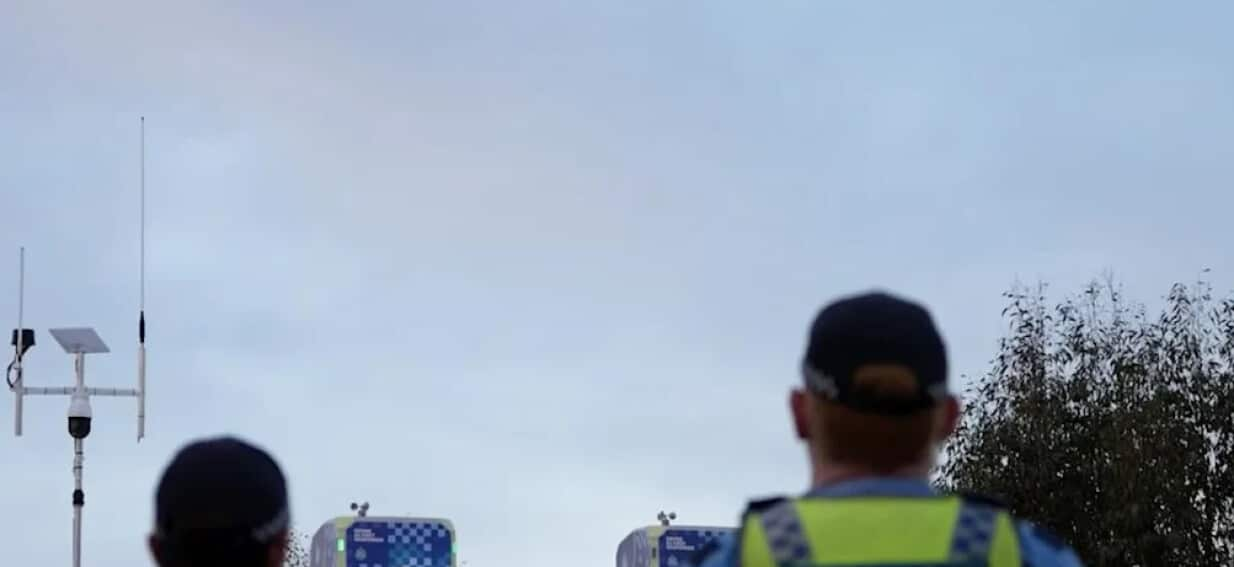
Law enforcement agencies nationwide have rapidly accelerated the procurement and operational use of remotely piloted aircraft systems over recent years. As SBS News Top Stories reported, police capabilities have advanced to the point where quieter, high-resolution devices can monitor civilian spaces from significant altitude without alerting those on the ground below.
While rotary-wing PolAir helicopters have traditionally provided aerial support at substantial financial and environmental cost, tactical drone units offer field commanders a far cheaper, nimble alternative. Squads are increasingly deployed to oversee large public gatherings, conduct proactive patrols in night-time entertainment precincts, and track fleeing vehicles, fundamentally transforming how police observe daily life.
The technological creep into routine policing
The rapid normalisation of the technology marks a distinct departure from its initial emergency response remit. Initially justified for specialised, critical incidents—such as natural disaster mapping during bushfires, missing person searches in rugged bushland, and tactical siege negotiations—unmanned aerial vehicles are now deeply embedded in routine general duties policing.
State police departments contend the devices significantly enhance officer safety and situational awareness without putting personnel in physical danger. Modern units can hover largely undetected, equipped with high-definition optical zoom lenses, forward-looking infrared thermal imaging, and automated tracking sensors capable of monitoring movements across several city blocks simultaneously.
Regulatory gaps in domestic airspace
However, privacy advocates and legal practitioners warn that regulatory frameworks have failed to keep pace with the expansion. Although drone operators must navigate basic airspace safety protocols set by the Civil Aviation Safety Authority, the operational thresholds governing when and how law enforcement can surveil the public remain governed by disparate state surveillance legislation.
SBS News Top Stories reported that the quiet rollout has raised significant questions regarding data retention, storage integrity, and the legal thresholds required before an aircraft can film private property without a judicial warrant. Civil rights organisations argue that without strict legislative safeguards, routine aerial oversight risks evolving into pervasive mass surveillance.
Calls for national surveillance thresholds
With artificial intelligence and automated recognition software becoming cheaper and more sophisticated, privacy bodies are demanding greater transparency from state and territory governments. Observers caution that without independent statutory oversight and strict auditing of recorded footage, the public's reasonable expectation of privacy in private backyards and public thoroughfares will be steadily eroded.
As state authorities continue to invest millions of dollars into tactical drone fleets, the legal fraternity is pushing for harmonised national guidelines to ensure that legitimate law enforcement objectives do not compromise fundamental democratic liberties.